
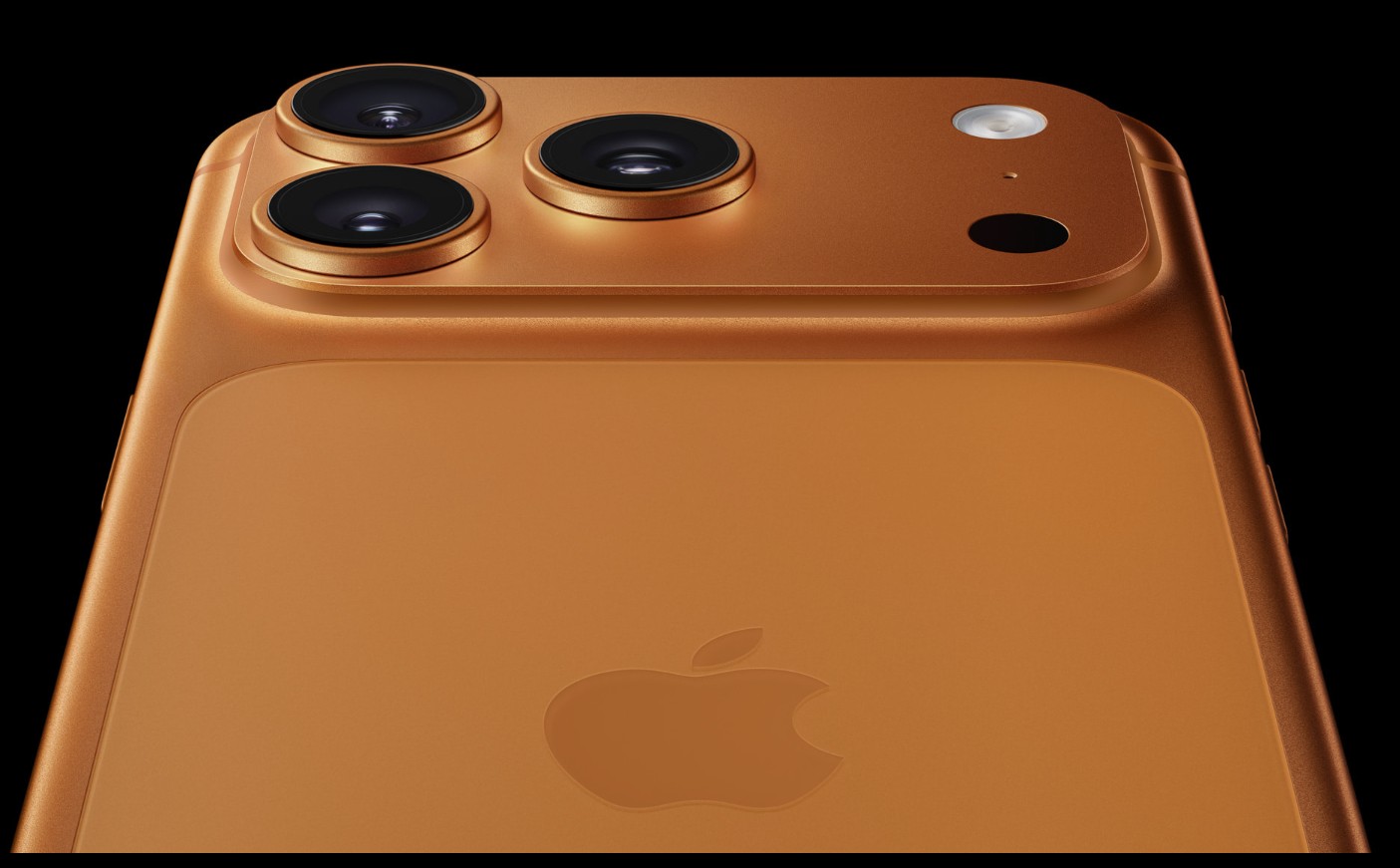
Following a surprisingly strong pre-order weekend, Apple is reportedly increasing production for the standard iPhone 17 to meet unexpected consumer demand. According to a new report, the company has instructed at least two of its suppliers to boost daily output of the entry-level model by a significant 30 percent.
The surge in popularity for the standard iPhone 17 is largely attributed to its compelling new features at a $799 starting price. This year, Apple brought its 120Hz ProMotion technology and an Always-On display to the base model, features previously reserved for the Pro lineup. At $300 less than the iPhone 17 Pro, the device offers a significant value proposition for customers seeking premium features without the premium price.
This shift in consumer preference could have a notable impact on Apple’s finances. Reports suggest that the higher-than-expected sales for the standard model may indicate that the iPhone 17 Pro and Pro Max are not selling as well as in previous years. A higher volume of lower-priced iPhones could affect Apple’s overall gross margin and revenue for the critical September quarter.
Ahead of the launch, Apple’s production strategy allocated the majority of its manufacturing capacity—around 65 percent—to the historically popular Pro and Pro Max models. The standard iPhone 17 was slated for just 25 percent of the production volume, with the new iPhone Air accounting for the remaining 10 percent. The current demand upends those initial forecasts.
A significant factor contributing to the demand may be a regulatory hurdle in China. The new, ultra-thin iPhone Air is not yet available in the country due to issues with its eSIM-only design. This limitation is likely pushing a large number of Chinese customers toward the standard iPhone 17 as their next best option.
While Apple updates its production forecasts weekly and the current mix could shift again, the initial success of the standard iPhone 17 marks a potential change in consumer buying habits. The company has struggled to create a popular fourth model in its lineup, but by adding premium features to its most affordable device, it may have finally found a winning formula that alters its future iPhone strategy.


