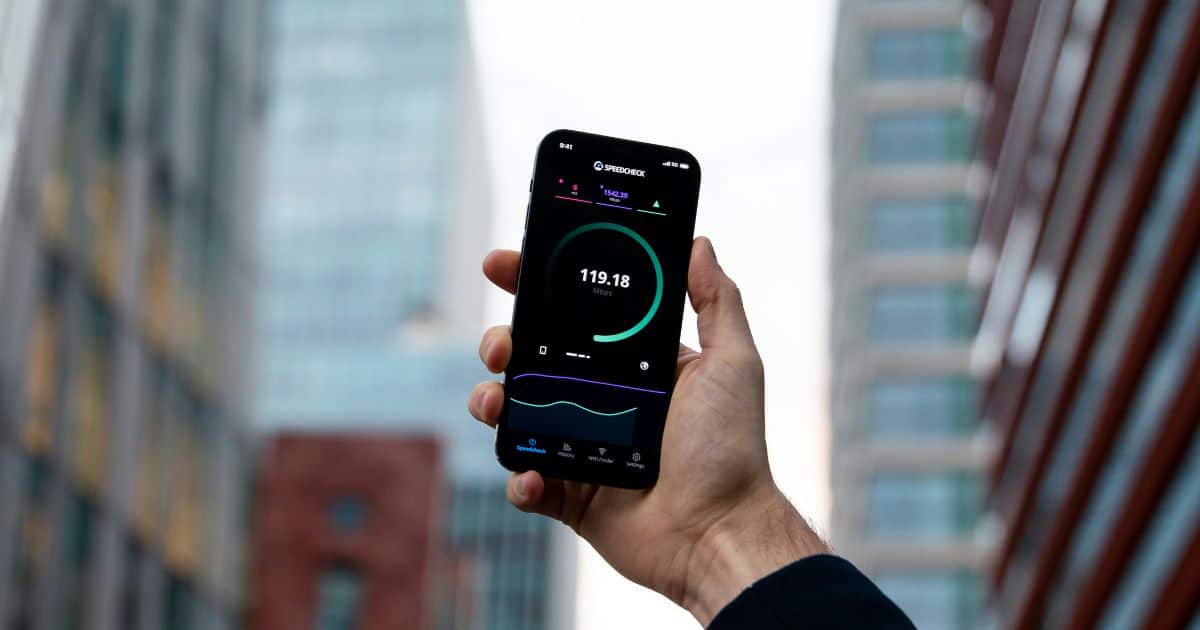
A report reveals Samsung Galaxy S24 series has a faster median 5G performance than the iPhone 15 series in most of the tested countries.

Apple Could Launch iPhone 16 Pro With 256GB Base Storage
New rumors suggest Apple could consider launching the iPhone 16 Pro and iPhone 16 Pro Max with a 256GB base storage.

It Was Fun While It Lasted; Apple Gets Dethroned in Smartphone Market, Sales Down by 10%
Apple’s iPhone shipments fell in Q1 2024 despite a global smartphone market rise. Samsung regains the top spot. Learn why Apple faces challenges and what investors are watching at WWDC.

iPhone 16 Pro To Solve One of Apple’s Biggest Flaws
The new iPhone 16 Pro camera system would solve one of the most common and frustrating problems in Apple’s history.

Apple Found To Be Disabling Apple Watch's Blood Oxygen Sensor When Given for Repairing
Are you an Apple Watch user concerned about the blood oxygen sensor? Reports say Apple might be disabling the sensor on some repairs, even for older models. Here’s what we know about the situation and potential reasons behind it.

The App Store Allowed an iPhone Game Boy Emulator for the First Time. Now It’s Gone
For a few days, users were able to download a Game Boy emulator through the Apple Store. However, Apple has now deleted it.

Once Again, Apple Advocates for 8GB of RAM being Enough for MacBooks
The recent releases, including M3-powered MacBook Air and Pro, have stayed true to tradition, kicking off with 8GB RAM as par for the course.

Chrome Tests Feature To Address Unusable Passwords After macOS Password Resets
Chrome is testing a new feature to resolve an issue where saved passwords become inaccessible after resetting a macOS password. This feature would automatically remove undecryptable passwords, ensuring the Password Manager functions properly across all Chrome platforms (Windows, Mac, Linux, Android, and Chrome OS).

Twitch Revealed New Features for Mods on iOS as It Celebrated Mod Appreciation Day
In celebration of Mod Appreciation Day, Twitch announces new features to empower moderators! Learn about Mod View on mobile, anonymous warnings, and upcoming Creator Camp resources.

How to Register/Unregister in Apple Beta Software Program
Eager to check out beta software updates on your Apple devices? Check out this guide on how register for the Apple Beta Software Program.

Apple’s First AI Features Will Happen on Device
Apple’s AI features in iOS 18 will happen on device and won’t rely on external servers, according to recent leaks

M4 Mac Roadmap Leaked: Here’s What We Know about Apple’s Next Big Thing
Here’s the entire roadmap Apple has planned for its brand new M4 chip and its variations. The first Mac with the M4 will ship in late 2024.

Apple Keyboard Has a Weird Emoji Suggestion Problem
Apple emoji keyboard is reinforcing weird stereotypes and suggestions when people are looking for different geographic regions or countries.

iOS 17.5 Beta 1 Reveals More Details About Upcoming iPad Pro
The OLED iPad Pro and all its details have leaked in Apple’s iOS 17.5 beta 1. According to analysts and leakers, t’s launching in early May.

iPhone SE 4: Four Features You Should Expect
The iPhone SE 4 is launching in 2025, and here are the four features you need to know about before Apple unveils it.

iPhone 16 Pro to Launch in 4 Beautiful New Colors
Apple plans 4 new colors for its flagship iPhone 16 Pro and iPhone 16 Pro Max: Space Black, White, Rose, and Grey.

Top Analysts Believe iPhone 17 Could Be a Better Upgrade, Instead of iPhone 16
Some analysts already believe that iPhone 16 might not perform well, because the major leap is expected with the iPhone 17 series instead.

Opera on iOS Sets an Example of How Much Has DMA Affected the Competition, Reports 63% Growth
Opera for iOS sees a surge in European users (63% growth) following the implementation of the Digital Markets Act (DMA). The DMA allows users to choose their default browser, potentially leading to a more competitive mobile browser market in Europe.

M4 Mac Pro and Mac Studio Launching Soon: Here’s What We Know
Apple’s M4 Mac Pro and Mac Studio to launch in 2025 with exclusive AI capabilities and all new processors focused on performance.

UK Rejects Apple’s Argument for Dismissal for App Store Fee Lawsuit
A UK board has denied Apple’s request to have its lawsuit dismissed regarding the App Store’s 30% fee, suggesting the case may proceed.

Google One VPN Service To Discontinue for Apple Users Later This Year
Disappointing news for Apple users! Google One’s free VPN service is shutting down later in 2024. This means finding alternative solutions for secure browsing on iPhones and iPads. While Pixel users (Pixel 7 and later) keep their built-in VPN, explore reputable VPN providers offering services specifically designed for Apple devices. Learn more about the discontinuation and the current VPN landscape.

Chrome Users on iOS Can Directly Save Files To Google Drive or Photos From the Web
Chrome on iOS finally gets long-awaited integration with Google Drive and Photos. Users can now save files, documents and images directly to their cloud storage, eliminating the need for multiple downloads and uploads. This update brings Chrome for iOS closer to native app functionality on the platform.
Apple To Update Mac Lineup With M4 Chips, Focused on AI Performance
Apple is set to update its Mac lineup with the new M4 chips, focused on enhancing performance for artificial intelligence (AI) tasks. The rollout is expected to begin in late 2024, with the entire Mac lineup slated to receive updates by early 2025. The M4 chips will bring significant improvements in AI capabilities and overall performance to Apple’s Mac lineup.

Bitwarden Brings Passkeys to iOS on Latest Beta
Bitwarden now offers a passkeys as a beta on iOS. Passkeys are the most secure way to log in online on different apps and websites.