The United States is one of the worst countries in the world when it comes to the privacy of citizens’ biometrics data.
While there is a handful of state laws that protect state residents’ biometrics (as can be seen in our state privacy study), this does leave many US citizens’ biometrics exposed as there is no federal law in place.
Another popular app got an update today. Calendars by Readdle (and also Calendars 5) now lets you add Microsoft Outlook accounts. Support for multiple accounts was also added. This means you can now have Google, iCloud, and Outlook (Exchange) accounts in the app simultaneously. This is in the Pro version of Calendars 5, which is on sale for 40% off (usually US$3.99). Other features include: Drag and drop events; Manage events both online and offline, Special keyboards; Search, and more. App Store: Free (Offers In-App Purchases)
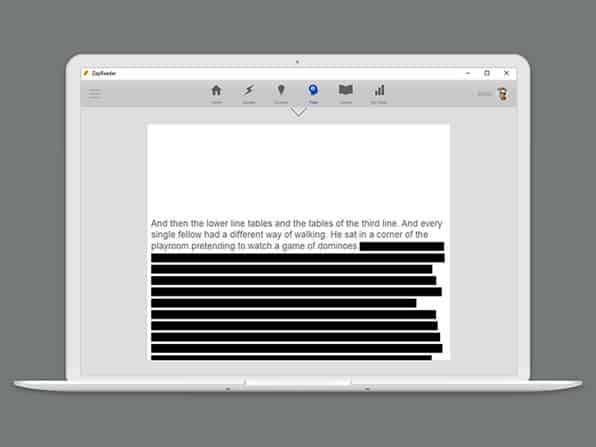
We have a deal on ZapReader, a speed-reading trainer. ZapReader includes advice from experts, and offers scientifically designed exercises to remove bad reading habits automatically. One year of ZapReader is $9.99 through our deal, but coupon code BFSAVE15 brings the price down to $8.50 at checkout. There’s a three-year option available in the deal listing, and the coupon code works on it, too.
Sleep trackers, including apps on the Apple Watch, have become increasingly popular. However, an article for Wired suggests they may not be doing us all that much good.
Sleep has become one more thing to feel guilty about, even when the data we’re consulting is often flawed or incomplete. It’s one more number we didn’t hit, one more goal we didn’t achieve. Pangs of guilt follow every new study reminding us of this magical panacea, if we would just turn off Netflix, forget our social lives, emails, and all the dishes in the sink, and just climb into bed. Sleep may be a biological necessity, but our stress over it is a choice. So let’s put the issue to bed. Hit the snooze button on this one!
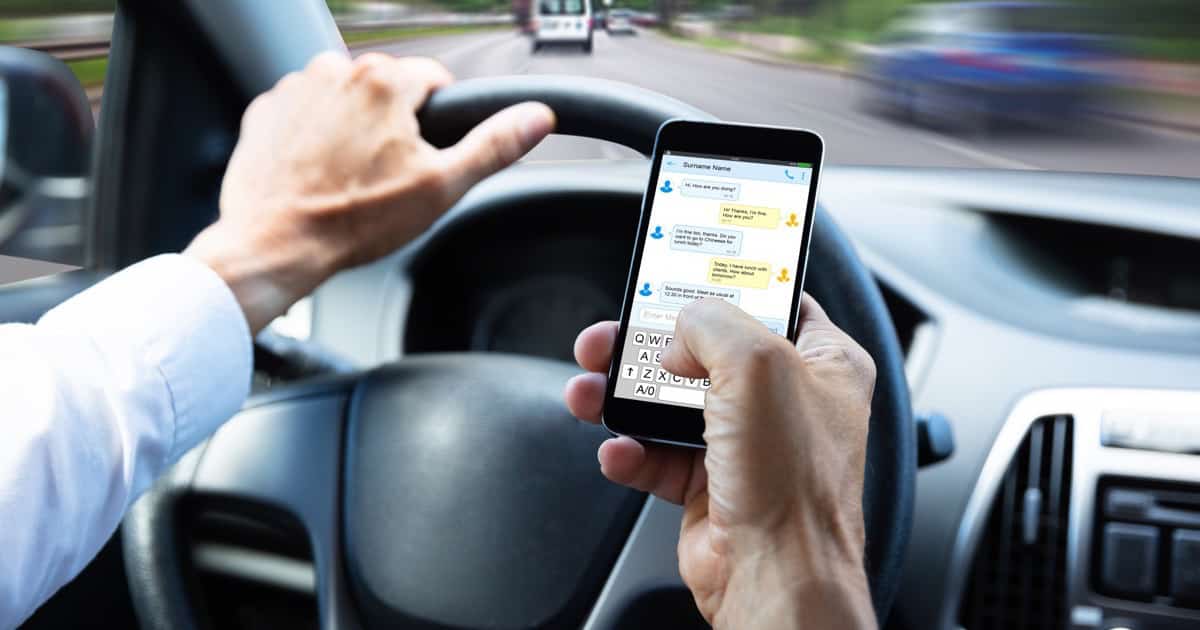
Australia will soon install a camera system powered by machine learning that is designed to spot mobile phones in cars.
To let drivers adjust, warning letters will be sent to those spotted using phones by the cameras for the first three months. Australia uses a points system for drivers — unrestricted driver’s licenses have 13 points. After the first three months, drivers caught using their phones illegally will lose five points and be issued a $344 fine. During other periods, the penalty could increase to 10 points. If a driver loses all of their points, they could lose their license.
Distracted driving is absolutely a serious problem, but I don’t think more surveillance infrastructure is the answer.
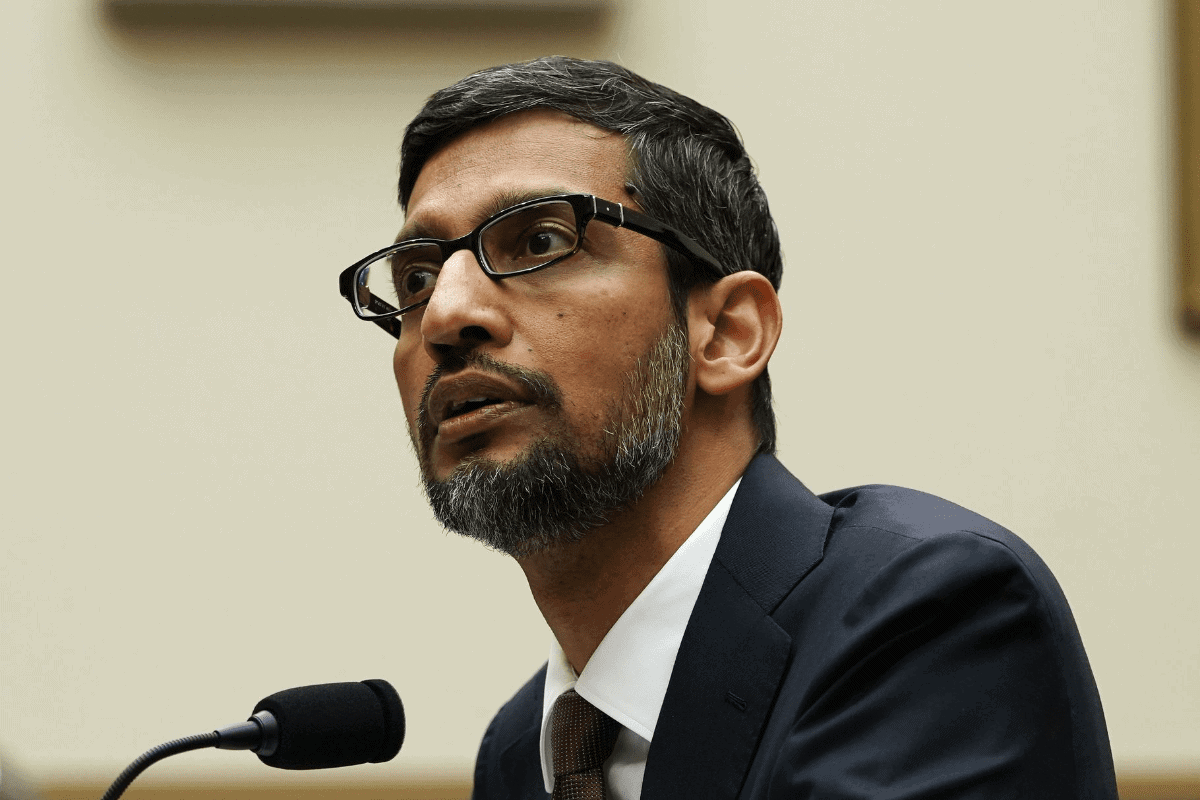
On Tuesday, Google’s parent company Alphabet announced that Larry Page and Sergey Brin were stepping aside and that Sundar Pichai was the new CEO. On The Verge, Dieter Bohn looked at what this means for the future of the company.
I see the founding of Alphabet in 2015 as an explicit attempt to start Google’s third era. But what it really was was a midlife crisis. Splitting off experimental divisions into separate companies inside an umbrella corporation might have made sense in theory, but in practice everybody knew the truth: it was all Google and so-called “other bets” on the side. It didn’t really start the new era, is what I’m saying. But now that Pichai is running Alphabet officially alongside (above? contiguous with?) Google, he can do the same product cleanup work for the Alphabet companies. That is, if Page and Brin will let him. They did promise to “continue talking with Sundar regularly, especially on topics we’re passionate about.” It’s something to watch out for in the future, but it’s also not the most important job Pichai has right now.
Gregory Zuckerman is a Special Writer at The Wall Street Journal, a 23-year veteran of the paper and a three-time winner of the Gerald Loeb award—the highest honor in business journalism. At the Journal, Greg writes about big financial firms, personalities and trades, as well as hedge funds, the energy revolution and more. Greg is the author of The Man Who Solved the Market: How Jim Simons Launched a Quant Revolution, a New York Times and Wall Street Journal bestseller.
Greg told me the surprising tale about how he got started covering business issues and how he finally landed at the WSJ. He told me how he develops his contacts and works with them to develop breaking stories. We talked about his award winning work and what kind of effort that takes. We finished with his latest book describing how Jim Simons and his team of physicist-analysts changed investing forever—and got rich in the process.
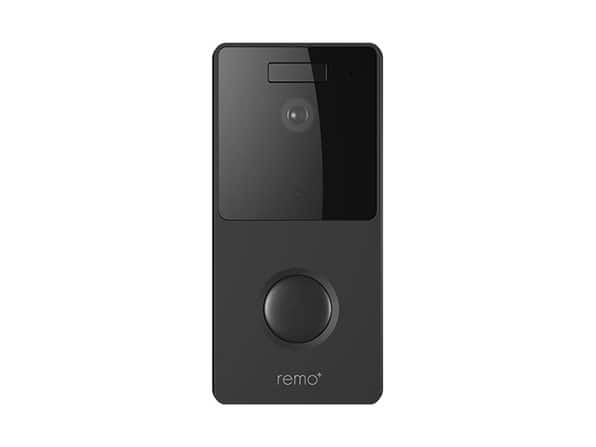
We have a deal on RemoBell, a wireless Wi-Fi video doorbell. It uses AA batteries, communicates with an iOS or Android app, and support Alexa and Google Home. It also uses infrared for night-vision, and it’s US$89.99 through our deal, but coupon code BFSAVE15 brings it down to $76.50 at checkout.
T-Mobile turned its 600MHz 5G network on, but no one can use it until 5G-capable smartphones are released, like two this Friday.
The “nationwide” 5G deployment relies on a slower form of 5G, using T-Mobile’s 600MHz spectrum. This “low-band” 5G essentially takes airwaves like the ones used for LTE and bundles them together with some new technology to deliver faster speeds.
T-Mobile doesn’t offer specifics on what kind of speeds you’ll see on the new network, and the actual improvements will vary a lot by location. “In some places, 600 MHz 5G will be a lot faster than LTE. In others, customers won’t see as much difference.”