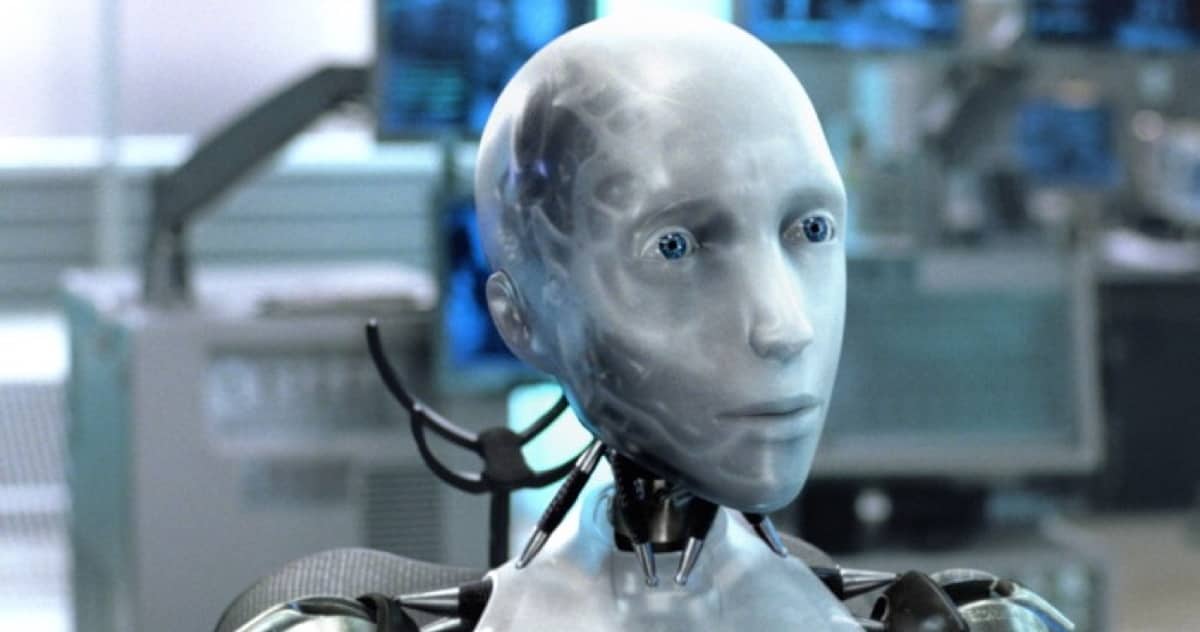
From boingboing: «‘Under what circumstances and to what extent would adults be willing to sacrifice robots to save human lives?’ That was the question posed by researchers at Radboud University in Nijmegen in the Netherlands and Ludwig-Maximilians-Universitaet (LMU) in Munich.» The results have implications for how we’ll design robots with apparent human feelings.

TMO Background Mode Interview with Princeton Theoretical Physicist Dr. Paul Steinhardt
Paul Steinhardt is the Albert Einstein Professor in Science at Princeton University, where he is on the faculty of both the departments of Physics and of Astrophysical Sciences. He co-founded the Princeton Center for Theoretical Science and is currently the Director of that prestigious research institution.
He has a Ph.D. in Physics from Harvard, and his research interests include cosmology, inflation theory, dark matter and specialized solids, including QuasiCrystals.
We chatted about the early influences of his father and, later, Dr. Richard Feynman when he was an undergraduate at Caltech. Then we chatted about cosmic inflation, the Multiverse, Dark Matter, and finally QuasiCrystals, the subject of his latest book. Dr. Steinhardt is a preeminent physicist working at the limits of human knowledge. Come listen and enjoy.

Opening More Apple Stores Might Not Improve Customer Experience
Ever since retail supremo Angela Ahrendts announced her departure from Apple there has been a lot of discussion about what comes next for the company in the retail space. One of the predominant themes has been improving the customer experience in the stores. Some people advocated Apple opening more stores, to help reduce the waiting times for support. Over on 9to5 Mac, Michael Steeber explained why thinks that might not be the silver bullet solution.
Advocating for a rapid expansion tragically discounts the Goliath effort that goes into opening a modern Apple store. While you might be content with a fleet of the modest mall shops of the iPod era, Apple certainly is not. The company has repeatedly said it thinks of stores as its “largest product.” Just like new iPhone features are implemented with cautious consideration, Apple’s retail development adheres to similar uncompromising scrutiny in site location and building design. Even if Apple decided to double its store count today, the results would not begin to show for another 2-3 years.
Civilization 6: Gathering Storm Won't Be Coming to iOS
In Polygon‘s review of Civilization 6: Gathering Storm, it sounds like the expansion pack won’t be coming to iOS. I find this incredibly sad because I love the game and I was looking forward to Gathering Storm. The iPad version also doesn’t include the Rise and Fall update which came out last year.
So I’m going to just say that if you’re looking for a better, more advanced, more complicated Civ 6, then Gathering Storm is just fine. But if you’re looking for value, if you don’t want to feel like you’re being gouged and punished for being a fan, I’m inclined to suggest you wait for a price cut.

Veterans Health Records; Podcast Picks – TMO Daily Observations 2019-02-11
John Martellaro and Andrew Orr join host Kelly Guimont for a discussion of Apple rolling out health records to the VA, and podcast picks.

MindFi Mindfulness Lifetime Subscription: $39
We have a deal on a subscription to MindFi, a mindfulness app created by top meditation teachers and neuroscientists. It’s designed to help you improve your focus, reduce stress, and improve your relationships through mindfulness exercises. A lifetime subscription is $39 through us.
The Success of AirPods and Apple's Product Strategy
But fast-forward to 2019 and, somehow, the £159-a-pair little pods have transformed into a bona fide status symbol.
I’m not so sure AirPods are a status symbol, and definitely not a millennial one (The word millennial isn’t even mentioned in this article except the headline). But the AirPods are a great example of Apple’s product strategy: Enter a market with crappy products with a better designed, easy-to-use product, and reap the rewards.
President Trump to Sign Order Launching U.S. AI Initiative
U.S. President Donald Trump is set to sign an Executive Order Monday launching a government AI initiative. According to the MIT Technology Review, the plan has five key aims: Redirect funding, create resources, establish standards, retrain workers, and engage internationally. However, the initiative, details of which were released ahead of President Trump’s signing, reportedly failed to provide much substantive detail or cash.
The initiative is designed to boost America’s AI industry by reallocating funding, creating new resources, and devising ways for the country to shape the technology even as it becomes increasingly global. However, while the goals are lofty, the details are vague. And it will not include a big lump sum of funding for AI research

Mars One Ventures is Bankrupt
LONDON – Mars One, the company that wanted to colonize the red planet, has gone bust. Its for profit arm has been declared bankrupt. The non-profit foundation is unable to act without further investment, Engadget reported. The company wanted to document the process of colonizing one of the planets nearest to Earth in a reality tv show. Not surprisingly, the finances turned out to be something of a challenge and it looks like the project is no more. In July 2018, an investment deal with Phoenix Enterprises was announced, that was set to inject $12 million into the firm over the coming year.
Mars One was split into two ventures, the non-profit Mars One Foundation and the for-profit Mars One Ventures. The Swiss-based Ventures AG was declared bankrupt by a Basel court on January 15th and was, at the time, valued at almost $100 million. Mars One Ventures PLC, the UK-registered branch, is listed as a dormant company with less than £20,000 in its accounts. There is no data available on the non-profit Mars One Foundation, which funded itself by charging its commercial partner licensing fees. Speaking to Engadget, Bas Lansdorp said that the Foundation is still operating, but won’t be able to act without further investment.
Apple Sued Because Two-Factor Authentication is Too Inconvenient
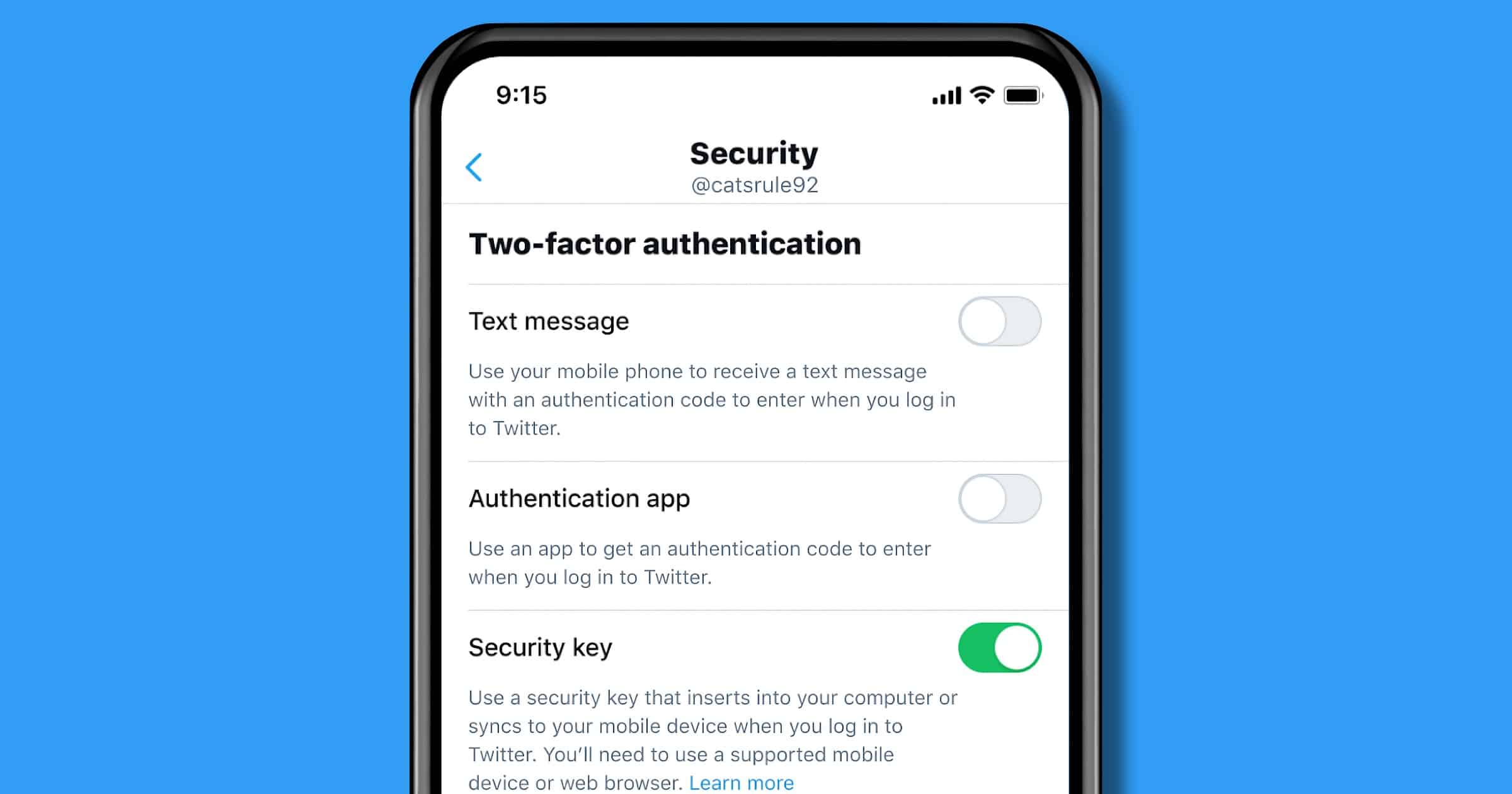
Apple is being sued because two-factor authentication is too disruptive, takes too much time, and can’t be turned off after two weeks.
The suit, filed by Jay Brodsky in California alleges that Apple doesn’t get user consent to enable two-factor authentication. Furthermore, once enabled, two-factor authentication «imposes an extraneous logging in procedure that requires a user to both remember password; and have access to a trusted device or trusted phone number» when a device is enabled.
It’s only Monday and this is already the dumbest thing I’ve read this week.


