

Notebook makers are heading into a difficult 2026. RAM prices are rising fast, and that pressure is squeezing margins across the PC industry. Shipments are expected to fall, pricing flexibility is shrinking, and brands are pulling back on aggressive plans. Apple stands out as an exception. Its scale, supply control, and pricing power give it more room to manage the shock.
The broader market outlook is weak. Sluggish economic recovery and cautious consumer spending continue to weigh on demand. At the same time, memory costs are climbing, which limits how vendors price and configure new laptops. Many brands are responding by cutting inventory risk and slowing refresh cycles. That approach reduces exposure but also caps growth.
TrendForce published its notebook forecast for 2026 and now expects global shipments to reach about 173 million units. That reflects a 5.4 percent year-over-year decline. The firm said “surging memory prices are squeezing notebook brands’ profit margins and pricing freedom,” which has forced companies to take a more conservative stance on inventory, promotions, and product setups.
Don’t miss the best of The Mac Observer
Set us as a preferred source and our Apple reporting ranks higher in your Google Search results and Discover feed — one tap, no account changes.
Apple Is Less Exposed
The same report points out that Apple is better positioned than most competitors. Its integrated supply chain and pricing control allow faster adjustments when component costs rise. Large and predictable order volumes also help Apple secure priority access from memory suppliers. The report highlights “greater flexibility in adjusting its product lineup” and a clear release schedule that supports long-term planning.
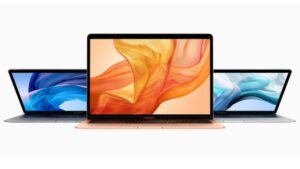
Even with poor timing, Apple could gain ground in 2026. TrendForce expects the company to benefit from “ongoing supply chain efficiencies” when it launches a lower-cost MacBook in spring 2026. Competitive pricing could attract new buyers and support stable shipment performance, even as the rest of the market contracts.
Display trends add another layer to the story. LCD notebook panel shipments are projected to fall 7.9 percent year over year in 2026. OLED shipments should keep growing, although at a slower pace. This shift favors premium vendors that already rely on higher-margin hardware.
Wider Impact Across PCs and Phones
IDC echoed similar concerns in a separate report. It warned that PC shipments could drop as much as 9 percent in 2026 due to what it called “an unprecedented memory chip shortage.” The firm said the situation “could persist well into 2027.”
IDC outlined two downside scenarios:
- A moderate decline of 4.9 percent, with PC prices rising 4 to 6 percent
- A pessimistic decline of 8.9 percent, with prices increasing 6 to 8 percent
The shortage is also expected to hit smartphones. Android vendors face the greatest risk as rising memory costs force higher prices or weaker specs. Apple remains more insulated due to cash reserves and long-term supply deals, though it may hold RAM levels steady instead of upgrading in 2026.


Discussion