

Apple rarely changes direction all at once. In 2026, it may have to. Several long-running projects look set to collide in the same 12-month window: a foldable iPhone, a major Siri rebuild, a more serious push into the smart home, and a new wearable strategy that shifts attention from bulky headsets to lighter smart glasses.
At the same time, Apple’s Mac lineup faces a new reality as memory prices rise across the industry, reshaping how much performance you can buy for the money.
If even half of these bets land, 2026 becomes less about yearly upgrades and more about resetting Apple’s product roadmap for the rest of the decade. Below is what to watch in 2026, and why each piece matters.
Don’t miss the best of The Mac Observer
Set us as a preferred source and our Apple reporting ranks higher in your Google Search results and Discover feed — one tap, no account changes.
1) Foldable iPhone: Apple’s late entry with a high-stakes design goal

Reports continue to point to a fall 2026 launch window for Apple’s first foldable iPhone. The interesting part is not that Apple is joining the category. It is the way Apple seems to want to join it: thin hardware, a book-style fold, and a strong push to make the crease far less noticeable than current rivals.
The rumors cluster around two display sizes, which align with how Apple might pitch the device as an iPhone that can open into something closer to a mini iPad experience.
Rumored foldable iPhone specs (as reported so far):
- Design: Book-style inward fold
- Inner display: Around 7.8 inches
- Outer display: Around 5.5 inches
- Goal: Reduced or near-invisible crease, depending on final hardware
Foldables have matured enough that Apple can aim for “normal phone, plus” instead of “weird gadget.” The risk is also simple. Foldables remain expensive to build, and buyer interest still looks uneven, so Apple needs the product to feel practical from day one, not just impressive in a demo.
2) M5 Max and M5 Ultra: the performance story continues, with AI as the headline

Apple already used late 2025 to put the base M5 into headline devices. In Apple’s own framing, M5 is about pushing AI workloads harder, including GPU changes and faster memory bandwidth.
That matters for 2026 because the next expected steps are the chips people actually wait for: the higher-end variants that power pro desktops and top-tier laptops. Apple has not publicly announced M5 Max or M5 Ultra details in the same way it announced M5, but the cadence of Apple silicon points toward those tiers becoming the real pro story as the cycle moves forward.
The deeper point is that Apple increasingly sells “local AI” as a device feature, not a cloud subscription. Better chips help Apple defend that pitch, especially as rivals ship more AI PCs and bake AI features into operating systems by default.
3) Siri AI overhaul: Apple’s most important software reboot in years

Apple confirmed in 2025 that some Siri improvements would slip into 2026. Reuters reported the delay as Apple worked on more advanced capabilities, including deeper personalization and better task handling across apps.
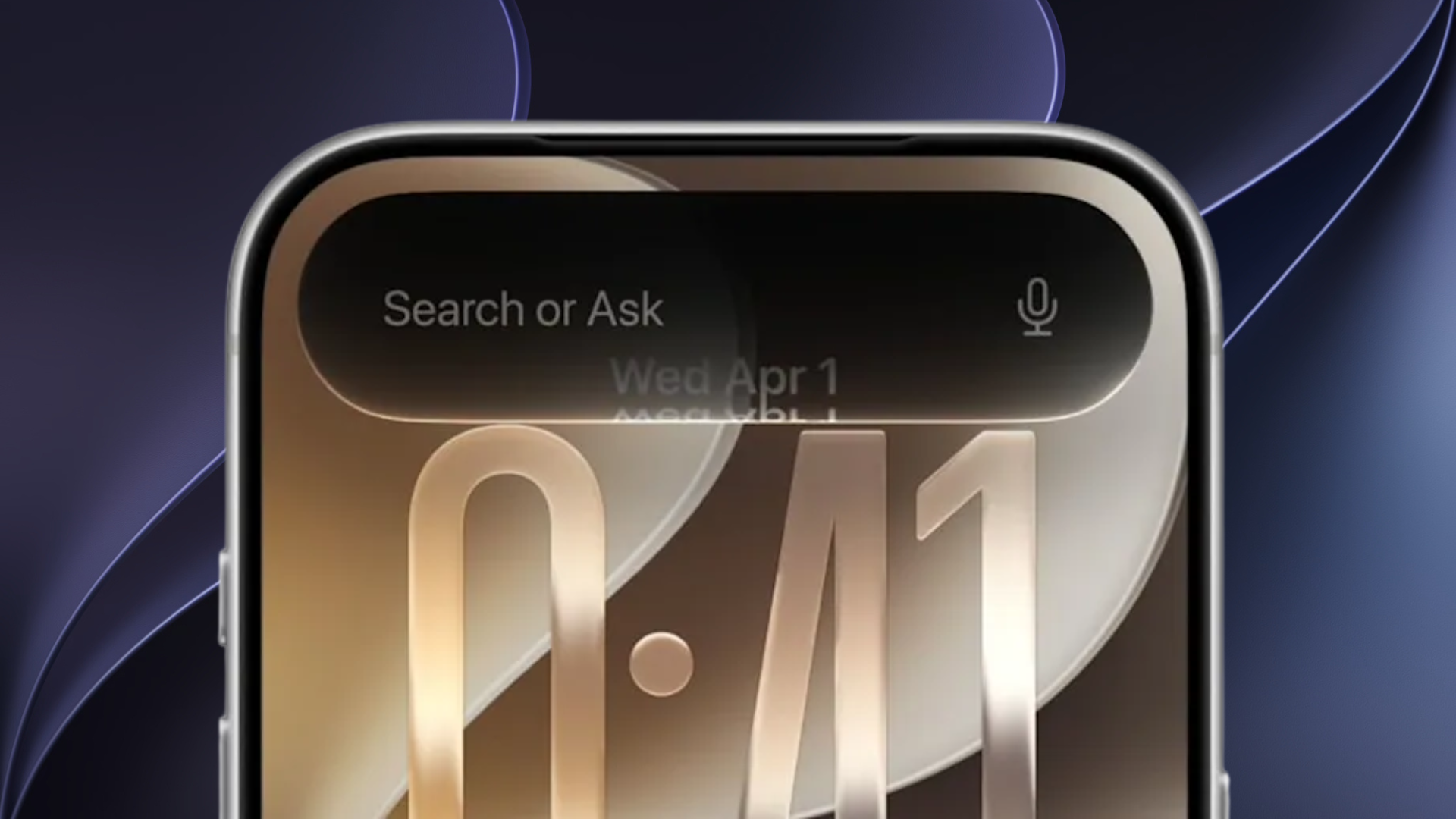
At the same time, multiple reports describe a more fundamental shift: a move toward an LLM-based Siri that can hold multi-turn conversations and work more like modern chat assistants. Reporting has also pointed to Apple testing or evaluating outside models, including Google’s Gemini, as part of the effort.
If Apple succeeds, Siri stops being a feature and becomes an interface layer that sits across iPhone, iPad, Mac, and the smart home. If Apple disappoints, every new hardware category that depends on voice and context will feel weaker than it should.
4) Smart home devices: the long-awaited push to make Home feel central

Reports point to Apple preparing a smart home “hub” style product for 2026, often described as a small display that brings Home, Siri, and Apple services into one place. One widely repeated detail is a 7-inch display, with launch timing often placed around spring 2026 in the rumor cycle.
If Apple ships this, the product’s job is not to beat the Echo Show on price. It is to make Apple’s home platform feel coherent, especially now that Matter support reduces the accessory friction that made HomeKit feel expensive and limited for years.
This is also where Siri’s rebuild becomes non-negotiable. A smart display with an underpowered assistant becomes a nice screen that you stop using. A smart display with a genuinely capable Siri becomes a control center you rely on daily.
5) iOS 27: a “Snow Leopard” moment, built around stability and quality

The most telling rumor about Apple’s software priorities is not a flashy feature. It is a restraint.
Bloomberg has described iOS 27 as a release that leans hard into quality, performance, and reliability. The comparison is to ‘Snow Leopard’, the old Mac release known more for cleanup than new toys.
That kind of reset usually happens when a platform hits complexity limits. Apple did something similar with iOS 12, which emphasized performance and stability. A renewed push in iOS 27 signals Apple thinks it needs to pay down technical debt again, especially as it layers in AI features that will touch core parts of the system.
6) Smart glasses: the Vision Pro pivot that tells you where Apple thinks demand is going

Apple’s headset story changed tone in late 2025 and early 2026.
Reporting has said Apple shifted resources away from a planned Vision Pro evolution to accelerate smart glasses, including a first model described as pairing with iPhone and lacking its own display.
Meanwhile, the market signal has gotten louder. Meta’s Ray-Ban smart glasses have cleared 2 million sold, based on statements from EssilorLuxottica that showed up across multiple reports.
At the same time, recent reporting has described weak Vision Pro momentum, including sharp cuts in production and marketing tied to limited demand at a $3,499 price point. Apple does not publish unit sales, but the direction of the coverage is consistent: Vision Pro remains niche, and Apple seems to be looking for a lighter, more mainstream wearable path.
What an early Apple smart-glasses approach implies (based on current reporting):
- Core hardware: Cameras, microphones, speakers
- No display on early model: Focus on capture, audio, and assistant features
- Processing: Heavy reliance on iPhone pairing, at least at first
- Success factor: Siri quality, because voice and context become the product
If Apple wants smart glasses to matter, it needs Siri to feel modern. Otherwise, glasses become a camera accessory, not a platform.
Mac: Memory prices are not getting friendlier, but Apple may still benefit

One claim making the rounds is that cheaper RAM could spark a Mac “renaissance.” The more recent industry reporting points the other way: memory prices have surged, with analysts warning that DRAM and NAND constraints could keep pressure on device pricing through 2026 and beyond.
That does not mean Macs lose. Apple can still benefit if it holds pricing steadier than PC vendors, or if unified memory configurations remain competitive versus Windows laptops that need pricey RAM upgrades. But the driver is not cheap memory. The driver is how well Apple manages supply and margins while competitors pass costs to buyers.
2026 matters more than most Apple years
Apple’s usual rhythm is predictable: iPhone in the fall, OS updates alongside it, Macs when ready.
2026 looks different because the projects depend on each other:
- Foldables need iOS and app behavior that feels polished on day one.
- Smart home hardware needs a Siri that can actually understand requests and keep context.
- Smart glasses need that same Siri, plus strong on-device processing and a privacy story.
- Apple silicon needs to keep pushing local AI performance so Apple can sell intelligence as a built-in capability, not a cloud upsell.
Apple can ship new hardware without nailing the software. It has done that before. In 2026, that approach looks far riskier because the biggest product bets center on an assistant that must finally grow up.



Apple needs to do something about iOS 23. You can’t use Bluetooth devises with it. IOS 18 had no problem. The only thing iOS 23 half-assed fixed was Photos. The rest of the update is a waste for most people who actually use their device to earn a living. It appears the upgrade was for kids, teens and those too lazy to get off their ass and get a job. Don’t forget the gamers.
Those who have been with Apple since its inception feel that Apple is no longer a reliable business use product. Most of us want to throw it at the wall. This maybe my last purchase. A product is only as good as its software, iOS 23 sucks.