Study Claims iPhone 7 Exceeds Radiation Limit

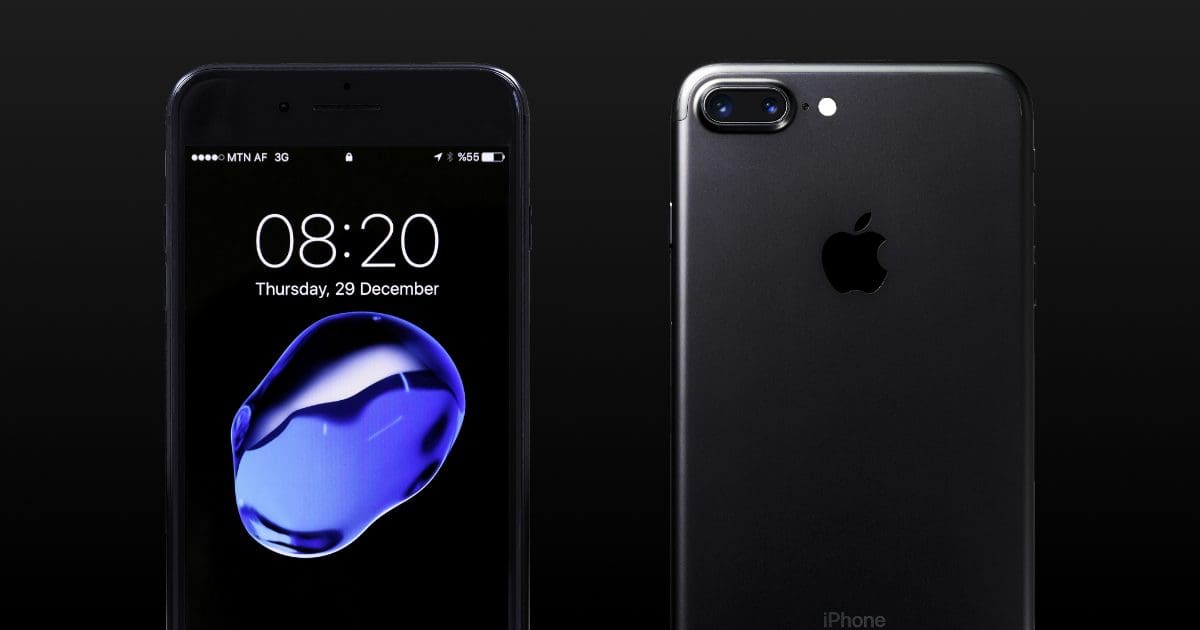
The Chicago Tribune claims that its study of iPhone 7 and other smartphones exceed the safety limit for cellphone radiation. Using a «tub of clear liquid, specially formulated to simulate human tissue» it found radiation exposure from the iPhone 7 was more than double what Apple reported from its own testing. Apple disputes the study, and the FCC will conduct further studies.

Cellphones use radio waves to communicate with a vast network of fixed installations called base stations or cell towers. These radio waves are a form of electromagnetic radiation, in the same frequency range used by TVs and microwave ovens.

This kind of radiation, also known as radiofrequency energy, shouldn’t be confused with ionizing radiation, such as gamma rays and X-rays, which can strip electrons from atoms and cause serious biological harm, including cancer.

Of course, there is no conclusive evidence that non-ionizing radiation is powerful enough to have a measurable effect on the human body. John Kheit and I agree to disagree 😉

Facebook Document Sheds Light on Cambridge Analytica Scandal

NBC’s Dylan Byers had a fantastic scoop this morning. He got hold of an internal Facebook document that indicated Facebook learned about the potential Cambridge Analytica issue in September 2015. That is contrary to what Mark Zuckerberg said in his testimony.

The document reveals that Facebook first learned about unconfirmed reports of a potential data violation in September 2015 and sought to address the issue but was not made aware of the full scope of the problem until a Guardian report was published in December 2015. Mark Zuckerberg has testified that Facebook learned from The Guardian report that developer Aleksandr Kogan sold user data to Cambridge Analytica, a violation of Facebook’s policy prohibiting researchers from selling or sharing data with third parties.

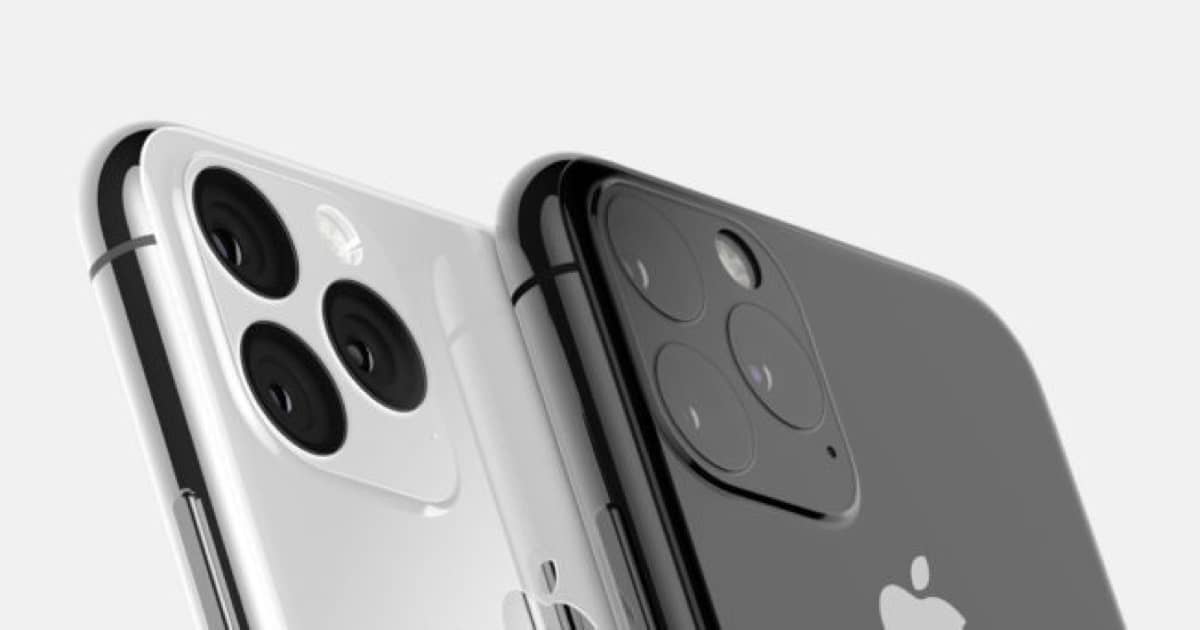
If There Really is an iPhone 'Pro' Coming, Just How Will it be so?

Once you name a product «Pro,» you have a lot of explaining to do. At 9to5Mac, Ben Lovejoy explains, referring to a previous post.

Just the idea of a ‘Pro’ iPhone is a little annoying.

Don’t misunderstand me. Modern iPhones are amazing devices. There was a time when such a powerful and flexible pocket computer would have stretched the credibility of science fiction stories, yet we now take them totally for granted.

And they are sometimes used for professional purposes. There are, for example, all those ‘Shot on iPhone’ movies and ads. But let’s not kid ourselves about those. The reasons for shooting on iPhone have little to do with it being a ‘pro’ device.

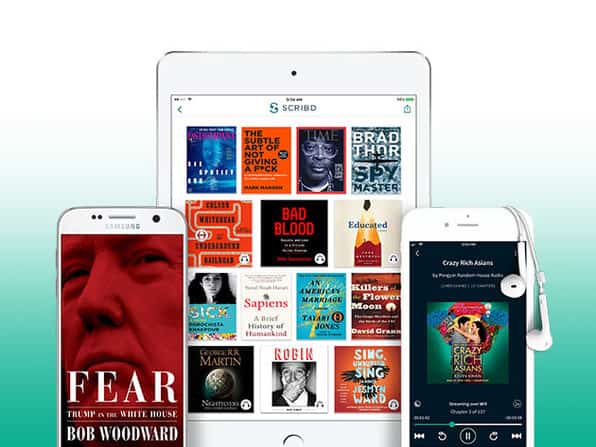
6-Month Scribd Subscription for Books, Audiobooks, Magazine Articles: $35

We have a deal today on a six month subscription for Scribd, which gives you access to bestselling and award-winning books and audiobooks, plus articles from leading magazines, newspapers, even sheet music. It requires iOS 10 and later, Android 4.4 and later, or Kindle Fire OS 4 or later. You can get a 6-month subscription for $35 through our deal, and there’s a one year option available in the deal listing, too.

Google Privacy Sandbox Probably Won't Protect Your Privacy

Advertising company Google wants to build a «Google privacy sandbox» as a way to improve personalized ads while attempting to remove the «personalized» part.

The goal of these proposals is to promote a dialog on ways browsers could advance user privacy, while still ensuring publishers can earn what they need to fund great content and user experiences, and advertisers can deliver relevant ads to the right people and measure their impact.

Or, if you want to support websites with ads while also protecting your privacy, stick to Safari.

Uber and Lift Drivers Heading Across California Protesting

A protest caravan of Uber and Lyft drivers is preparing to make its way across California, Techcrunch reported. It will launch in SoCal Monday, August 26, before finishing in Sacramento on August 28.

Yesterday, California-based advocacy organizations Gig Workers Rising and Mobile Workers Alliance announced that a caravan of Uber and Lyft drivers will drive from SoCal through San Francisco to Sacramento, next Monday, August 26 through Wednesday, August 28th. Over 200 drivers in more than 75 cars plan to drive south to north, with more drivers joining along the way, to take dramatic action in advocating for California State Legislature bill AB5, and for a drivers union. With AB5 almost certain to pass the CA Senate, this coming week presents a crucial moment in the history of gig work and tech more broadly: an opportunity for drivers to demonstrate the efficacy of 21st century labor modes of organizing, even as Uber and Lyft continue ramping up efforts to kill AB5, drop pay rates, and generally mistreat drivers.


5G Could Revolutionize Home Broadband

Most of use are excited about what 5G will enable us to do on a smartphone, and how fast it will enable to us to do it. However, as CNET noted, the effect could be just as significant in the home broadband space.

Consumers often see prices rise in areas where there’s only one provider, yet many Americans continue to lack competitive home internet options. Verizon, T-Mobile and Sprint have all hyped up home broadband as one of the many uses of 5G to solve this problem by offering a viable and speedy alternative. Verizon’s first 5G network rollout focused on the home, while T-Mobile CEO John Legere railed against «big cable» while pitching regulators on his company’s $26.5 billion merger with Sprint.

Apple Blocks Spying Kazakhstan Root Certificate

The Kazakhstan government is trying to spy on citizens with a government-issued root certificate for websites. Apple, Google, and Mozilla are blocking it in their browsers.

The root certificate in question, labeled as «trusted certificate» or «national security certificate,» if installed, allows ISPs to intercept, monitor, and decrypt users’ encrypted HTTPS and TLS connections, helping the government spy on its 18 million people and censor content.

Once installed, the certificate allowed the Kazakh government to decrypt and read anything a user visiting popular sites—Facebook, Twitter, and Google, among others—types or posts, including intercepting their account information and passwords.