The Demise of Apple Music Connect And What Might Have Been

In June 2015 Apple unveiled its music social network, to great fanfare. However, it killed-off the service in December 2018. Music Business Worldwide looked at what might have been.

In a world where every streaming service is desperate to differentiate itself, Apple had something really unique. Connect could have been hugely influential… At its core, Apple Music Connect was a social media platform embedded into the Apple Music ecosystem. Artists could use it to share lyrics, exclusive photos, videos or even release their latest song directly to fan followers from their iPhone. As such, Connect was sort of an Instagram-SoundCloud-Facebook-Twitter-YouTube hybrid. This is why Jimmy Iovine, Apple’s former Head of Music Operations, described Connect at the time as one of Apple Music’s three key differentiating elements, alongside human-curated music streaming and the 24-hour Beats 1 radio station.
And Now For the Downside of the Apple Card

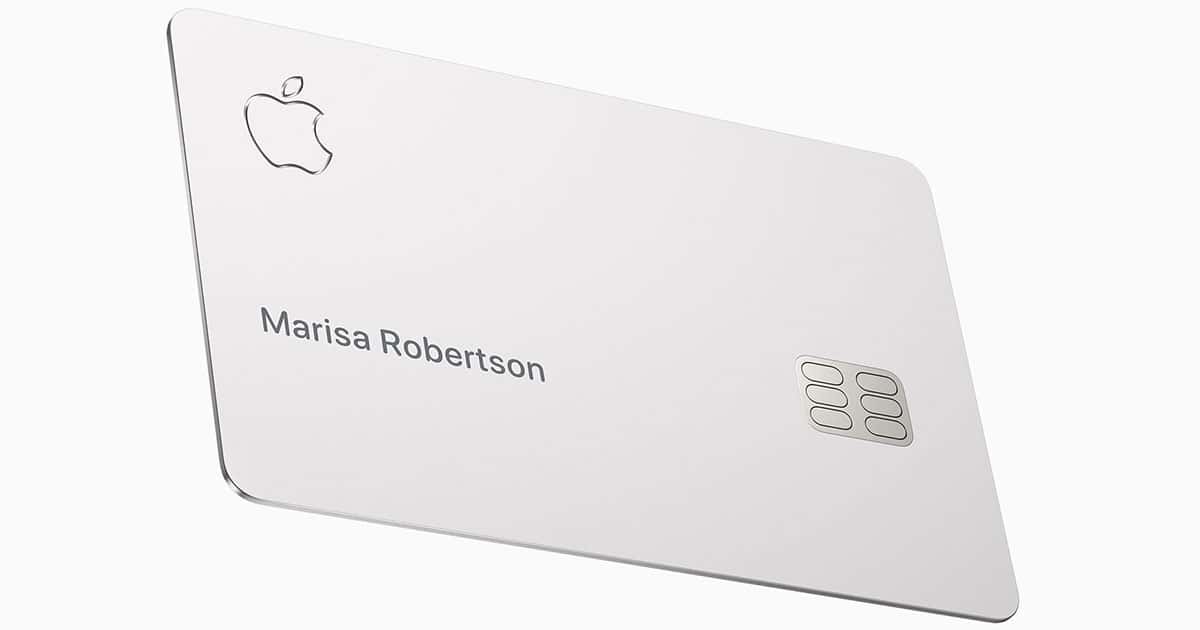
There have been some rave reviews of the Apple Card. But, in the end, it’s a credit card with the usual, attendant downsides. Michael Simon at Macworld brings us back to earth.

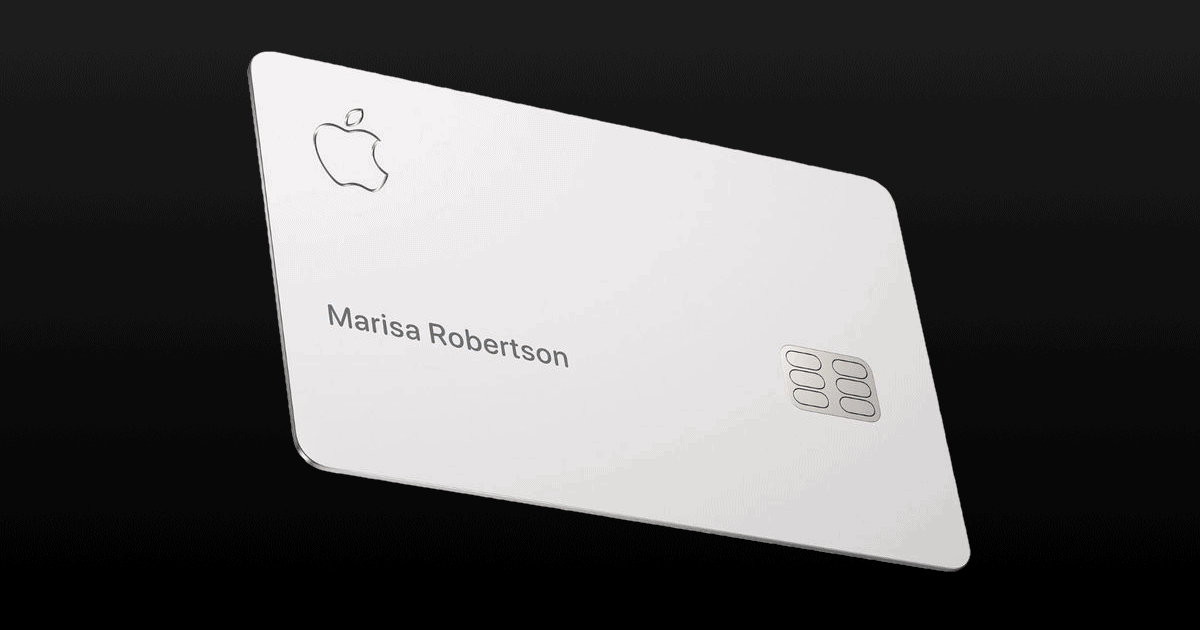
While the Apple Card might be filled with the delightful little details that we’ve come to expect from Apple—beautiful spending trackers, an animated digital card that reflects light as if you were holding it, privacy and security at the forefront—at its core, Apple Card is still a credit card backed by a bank that will charge you interest if you don’t pay on time….

With Apple Card, Apple may be selling you something that could end up costing you way more than an iPhone—or a Mac Pro for that matter.

Driving App Waze Adds YouTube Music Integration

Driving app Waze is adding YouTube Music integration for YouTube Premium and YouTube Music Premium subscribers.

Rolling out from today and soon available to all 50 markets where both YouTube Music and Waze are accessible, subscribers can now easily play music as they drive safely. Check out these YouTube Music playlists to queue up while on the road, and happy cruising!

The iOS 12.4 Jailbreak is a Big Deal

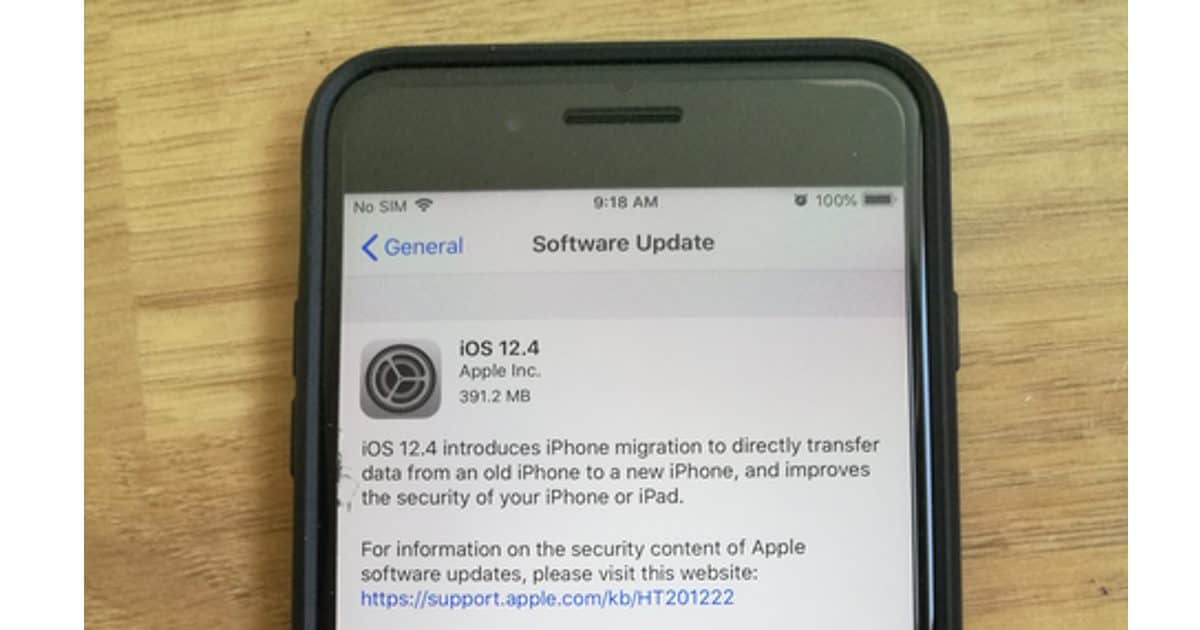
It emerged a few days ago that in iOS 12.4 Apple accidentally reintroduced a way to jailbreak the iPhone. This brought with it a number of associated vulnerabilities. Will Bedingfield, writing at Wired, explained why this is a big deal.

Apple first fixed the problem in iOS 12.3 but reintroduced it in the latest version of its code, iOS 12.4, which was released in June. In doing so, Apple has inadvertently made it easier to jailbreak and hack its own product. This weakness let an attacker corrupt the phone’s kernel memory, allowing a security researcher, called Pwn20wnd, to develop and publish an iPhone jailbreak. This is a big deal for Apple, which offers a restricted user experience – apps on its app store are subject to rigorous testing and restrictions, for instance – in return for high security. The last time the newest version of iOS was open to a jailbreak vulnerability was back in 2015, when iOS 9 was prominent, and only for seven days.

You'll Be Able to Convert Your Logins to Sign In With Apple

Ryan Christoffel has been testing Sign In with Apple in some beta versions of apps this summer. Using it is as easy as Apple said it would be. And the feature that I hoped would be included will arrive too: Converting your existing logins to Sign In with Apple.

Although Sign In with Apple is mainly beneficial for new users who don’t yet have an account for a given app or service, with the system Apple has built, developers have the option of letting existing users convert their accounts to Sign In with Apple for its convenience and security benefits.

I hope there will be widespread adoption of this. Another thing I wondered: If some companies complain that iOS 13’s location feature is anti-competitive, what will they say about Sign In with Apple?

Apple Card Transforming Goldman Sachs into Consumer Powerhouse

Apple Card is a key part of Goldman Sach’s work to become a key player in the consumer market, its CEO said. David Solomon made the comments in an interview with CNBC.

“Apple Card is big, but it’s also a beginning,” Solomon said Tuesday in an internal memo obtained by CNBC. “In the decades to come, I expect us to be a leader in our consumer business, just like we are in our institutional and corporate businesses, with customer-centricity at the core of everything we do.” The co-branded credit card rolled out Tuesday to all U.S. customers, featuring a cash-back policy of up to 3% as well as a titanium, laser-etched physical card. “Apple Card makes a typically frustrating application process easy; it provides an interface with more useful information for the customer; and it places greater importance on customer privacy and security,” Solomon said.

Apple's Privacy Rule for Kids Apps Delayed

At WWDC 2019, Apple announced stricter rules for kids apps. Developers of these apps aren’t allowed to use analytics within them. Ads would also be limited. Apple is now delaying the rule to give developers more time.

Apple says it is making the move in part to better protect users’ privacy by shielding children from data trackers, a move that has been lauded by some privacy advocates. But some developers say they fear that the new rules won’t protect kids — possibly exposing them to more adult apps — and could pointlessly reduce their businesses.

Maybe don’t make preying on kids your business model?