AirPower Image Hidden on Updated AirPods Page

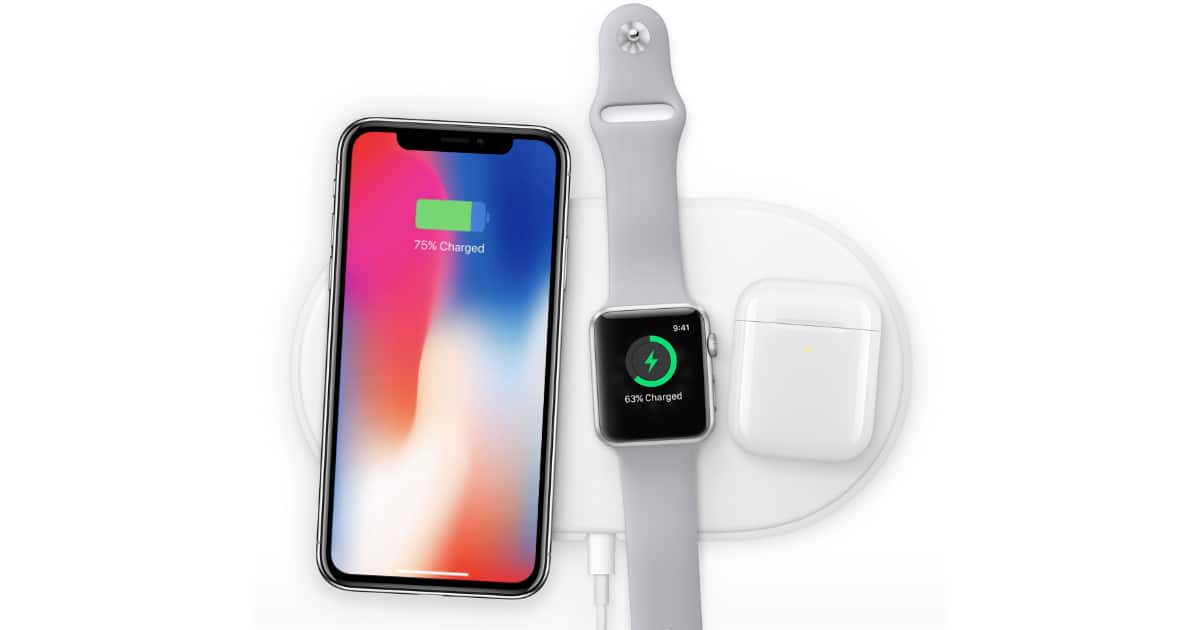
An official AirPower image was hidden in the source code of the updated AirPods page, it has emerged. 9to5Mac found the image, which showed an iPhone XS and new AirPods being charged on the as-yet unreleased charging mat.  AirPower was not one of the products Apple released during the first half of this week. Indeed, a release date is still unknown.

Many were expecting an AirPower announcement today, following the iMac, iPad Air and iPad mini, and second-generation AirPods, but that didn’t happen this morning at the same time as the prior announcements. We aren’t sure when Apple is planning to announce the mat’s actual release, but clearly the AirPods page was specially designed to be able to incorporate the AirPower mat when it is official. And the change of image asset certainly indicates continued development on the product.
Latest iPad Mini Combines Old and New

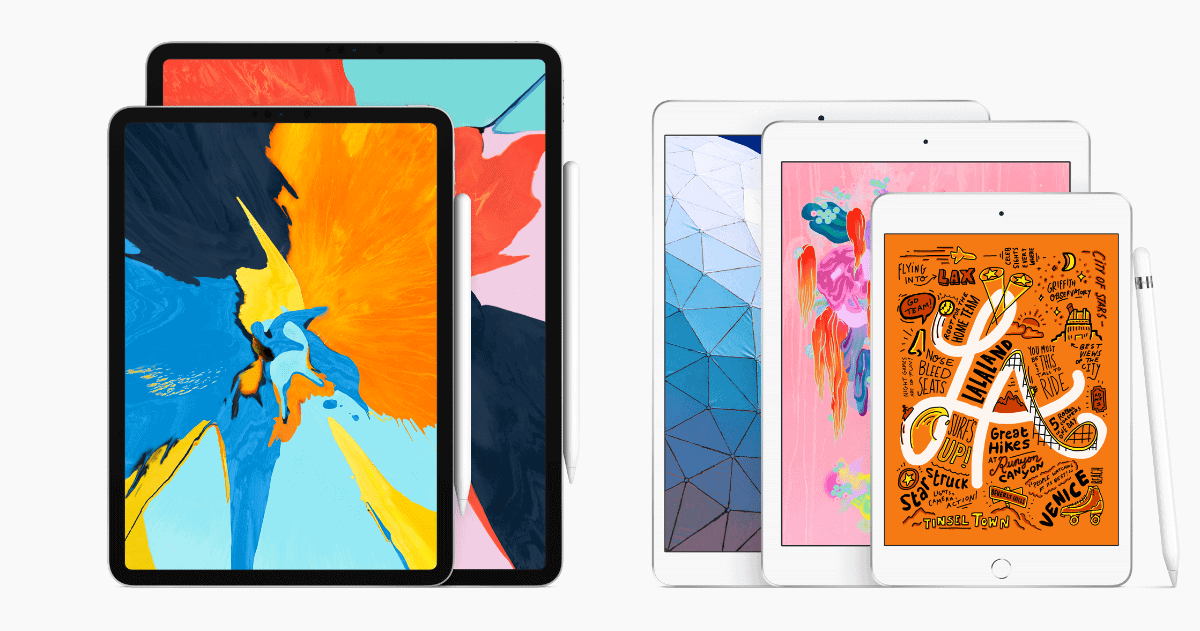
The iPad mini reviews are starting to flood in. In his, Lance Ulanoff noted, somewhat disappointedly, that many features from the old version of the device remain. There is even still a mechanical home button. However, he liked the significantly increased power of the upgraded device. He also though the iPad mini is an excellent tool for augmented reality.

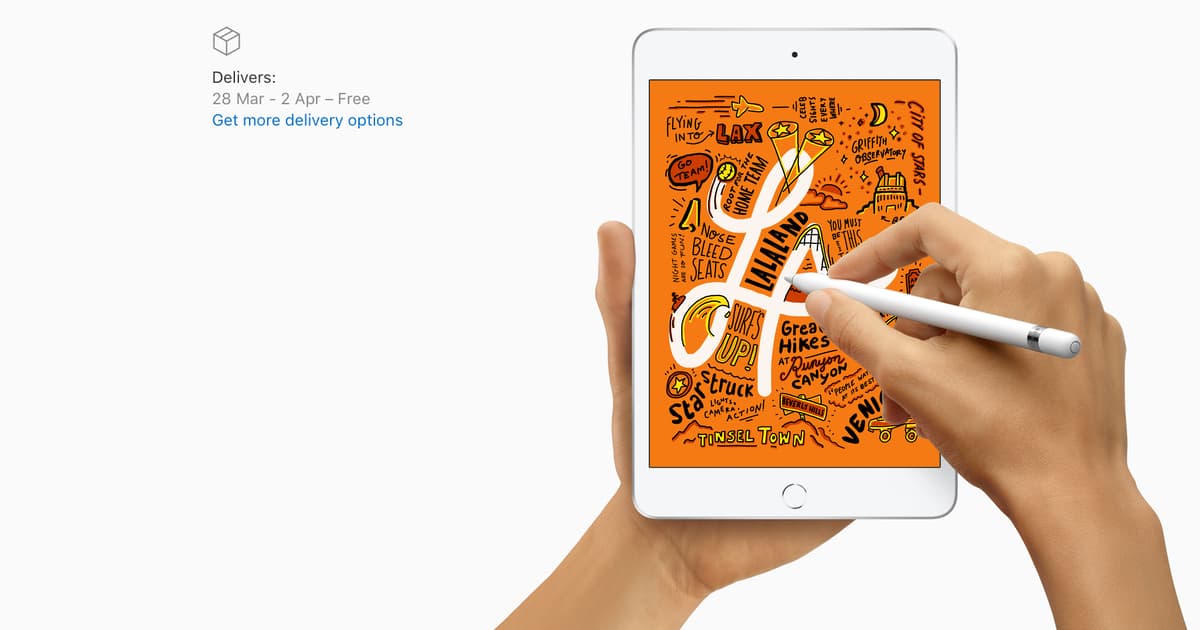
Put simply, there are zero design surprises in the new iPad Mini. It’s still just 0.24 inches thick and 0.66 pounds. (The chassis measures 8×5.3 inches.) My hand is large enough that I can easily wrap my fingers around it, but the Mini is also light and thin enough that it’s quite easy to hold with just two fingers squeezing a single corner. That exquisitely svelte design (thinner even than the 0.3-inch-thick iPhone XS) belies some astonishing power. Because even though Apple didn’t mess with the iPad Mini’s body, it replaced most of the components.

iPad mini: Powerful Hardware in the Same Package

Some of the first iPad mini reviews are coming out, and so far it sounds like Matthew Panzarino is happy with it.

I include that context here because, though the iPad Pro is a whole ass computer and really capable, it is not exactly ‘fun’ to use in non standard ways. That’s where the iPad mini has always shined and continues to do so. It really is pocketable in a loose jacket or coat. Because the mini is not heavy, it exercises little of the constant torsion and strain on your wrist that a larger iPad does, making it one-handed.


Fast Track Your Fluency with a New Approach to Learning Languages: $59

We have a deal on a lifetime subscription to Mondly, the language-learning platform. Mondly uses speech recognition and only gives positive feedback if you speak clearly and correctly. You can choose 5 of 33 languages to learn in your own native tongue. A lifetime subscription is $59 through our deal, a price drop from when we ran this deal last year.

Workers Don't Seem to Mind Their Company Spying on Them

Employers are finding an ever increasing number of ways to keep tabs on what their staff are up to. You might think this would trigger an employee revolt. Yet, aside from some high profile examples, that is not the case. Fast Company explored why workers do not seem to mind being monitored.

While the specter of employers widely abusing workers’ privacy looms large, it doesn’t seem to be much of a real issue in most offices, factories, and shops across the country. “Concern is very broad but not very deep,” says Lewis Maltby, the president of the National Workrights Institute and a longtime advocate for protecting the civil liberties of employees. When he hears from workers, he notes, it’s typically not because management is poking around into private matters; it’s because their personal information was erased without any warning when they left their job and their employer reclaimed a company-owned cellphone.

Would You Give Apple More of Your Data?

Here’s a question to ask yourself: Would you let Apple collect more of your data to improve its services? The company already collects some stuff, but it doesn’t seem to be enough for services like Siri. Mark Sullivan’s answer to that question is yes.

Everyone is waking up to the fact that big tech companies have been skimming personal data for years and not saying much about it. And don’t get me wrong, the tech companies deserve all the mistrust and scrutiny they’re getting. But I hope they get a second chance with user data, because there’s so much cool stuff they could do with it, especially in the age of AI. I think they might find that many of us would be fine with giving up more of our personal data–if we get more in return.

I think my answer is yes as well. I would love for Apple’s services to be more personalized to me. I just don’t want my data to be used for advertising. The premium price I pay in lieu of ads is for the hardware.

Kaspersky Lab Jumps on Apple Monopoly Bandwagon

Kaspersky Lab, a Russian cybersecurity company accused of having ties with the Kremlin, violated App Store rules and had its app removed. Now it says Apple uses its “position as platform owner and supervisor” to give itself special treatment.

From our point of view, Apple appears to be using its position as platform owner and supervisor of the sole channel for delivering apps to users of the platform to dictate terms and prevent other developers from operating on equal terms with it. As a result of the new rules, developers of parental control apps may lose some of their users and experience financial impact.

You can obviously tell I think this is hilarious. To be fair, developers getting sherlocked by Apple is a real thing, but having your app removed because it breaks the rules isn’t getting sherlocked.

Google Hit With $1.69 billion EU Anti-Trust Fine Over Adsense Restrictions

LONDON – Google was hit by its third anti-trust fine from EU regulators Wednesday. EU competition commissioner, Margrethe Vestager, said the company had stifled competition in the online advertising market and had to pay €1.49 billion ($1.69 billion), CNBC reported. Google’s rivals had claimed that the company placed Adsense ads on websites on the proviso that other advertising systems were not present not the same page.

Google’s Adsense pushes ads triggered by search engines embedded websites. Rival firms to Google had claimed the product was placed on websites with the understanding that no other systems could be on the same page. The Alphabet company has previously defended its use of the technology, claiming it has been in place since 2006, is now superseded, and is a minor product. In the fourth quarter of 2018, Google’s core advertising business saw revenue increase 20 percent from the previous quarter to $32.6 billion — the same rate of growth as the last quarter.