
The Finder can be your friend or foe, depends upon how well you tame and tweak it. These are the kinds of things John and Dave help you do each week on Mac Geek Gab. In addition to that, we’ve got segments on taming iCloud’s two-factor authentication, suggestions for improving on the Stickies model, and ways of recovering disk space. All this and more! Just press play and learn at least five new things!

Going Cashless is in Our Near Future
Jefferson Graham writes how going cashless is the future, with contactless payment apps like Apple Pay ushering this reality in.
“It seems that people are moving away from cash and technology is making it easier than ever to tap and go.” Advantage: faster checkout lines, and the elimination of fees for armored car cash pickups and fear from employees about getting robbed.
For the most part I’m already mostly cashless. The only thing I need cash for is laundry. For everything else I use a debit or credit card.
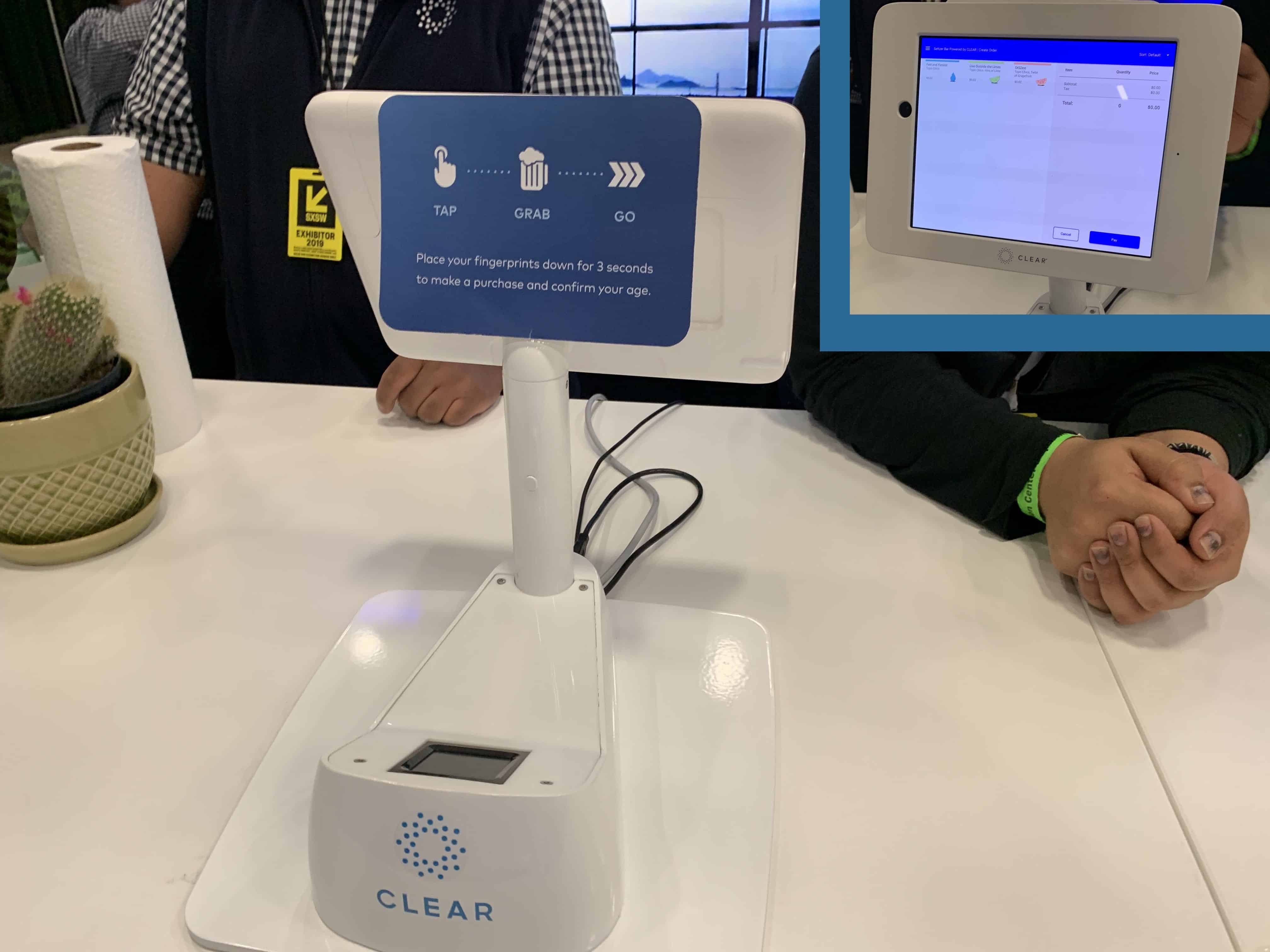
SXSW: CLEAR Expands Identity Verification from AirPort Security Lines to Point of Sale
CLEAR, the company whose members we all enviously gaze upon at the airport as they breeze past those of us in the TSA Pre-Check lines, is expanding their identity verification technology to point of sale. Testing in some Seattle sports stadiums, CLEAR’s ability to use biometrics to confirm that you are definitively you is helpful for age verification for alcohol sales, but could also just make point of sale simpler, in general. Part of their mission all along, they figured if they could get approval for their tech to be used to confirm identity at airports, it was certainly going to work to add convenience to point-of-sale while also increasing the security of the transactions. Of course, Apple’s introduction Touch ID at point of sale with Apple Pay starting in 2014 has helped the masses understand the usefulness of this technology. That rising tide lifts all boats, including CLEAR’s. Look for CLEAR to roll out more instances of this tech in the coming year.
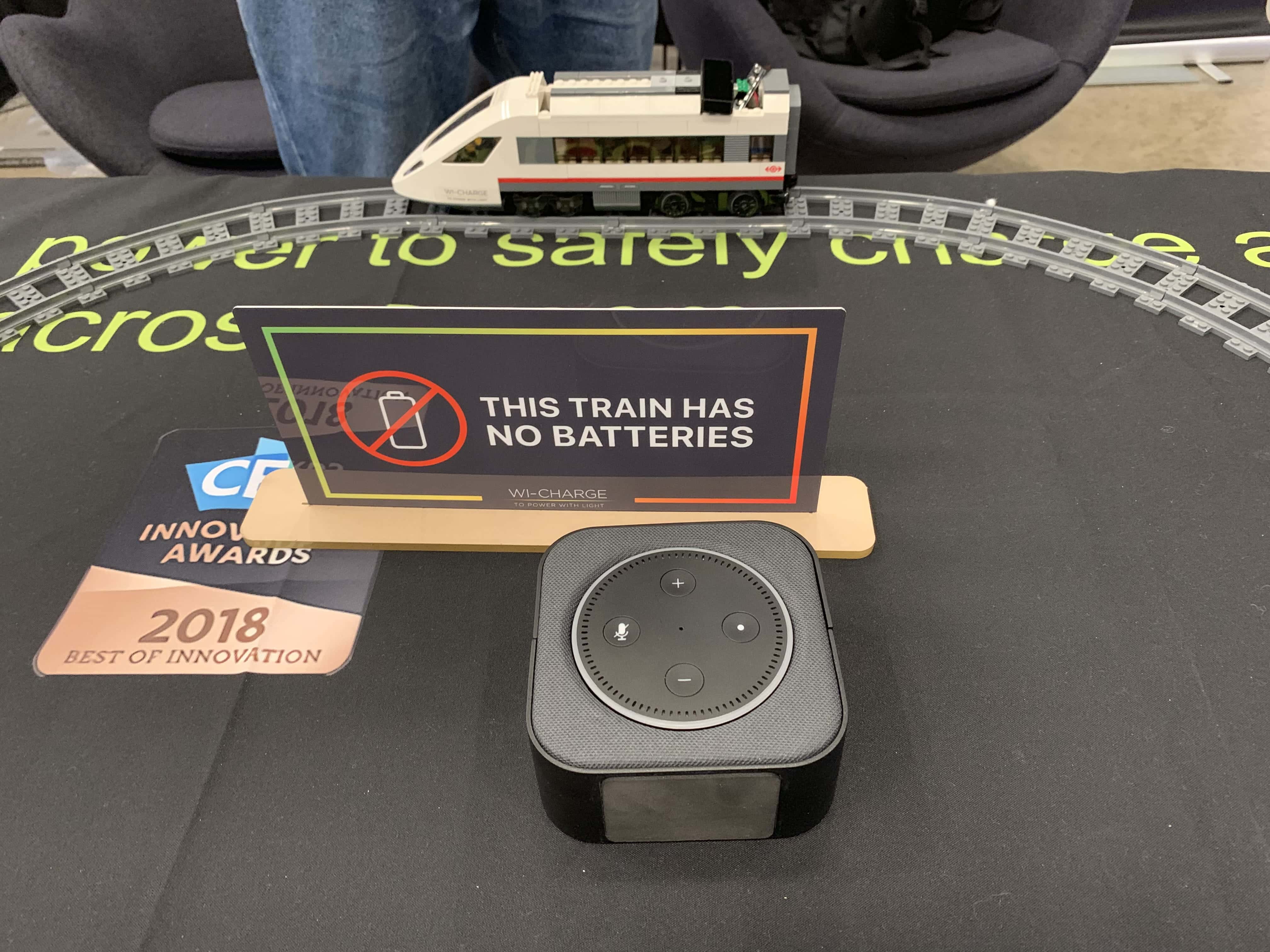
SXSW: Wi-Charge Uses Infrared to Wirelessly Charge Your Devices
On Sunday at the SXSW Innovation Awards Finalist Showcase, Wi-Charge was showing off their infrared-based wireless power technology. They’re not the only company aiming to deliver wireless power to our devices, but they are the first we’ve seen to use infrared (IR) to do it. Using IR comes with a couple of advantages: power doesn’t degrade over distance, a thin beam can be aimed at the device to ensure full power, and IR is something we’ve found to be extremely safe. Of course, the major downside to using IR is that it only delivers over line-of-sight. Their demo at SXSW was delivering a full 1 watt of usable power, but they say their tech could eventually deliver «several watts» of power up to 15 feet away. Wi-Charge was demoing their tech with LED strip lights, an electric train, and a custom-case for an Amazon Echo Dot, all of which could be powered from an overhead IR transmitter. For your IoT devices or even your phone at your desk, this could someday offer a ton of convenience. Wi-Charge is seeking integration partners to help bring their tech to market.
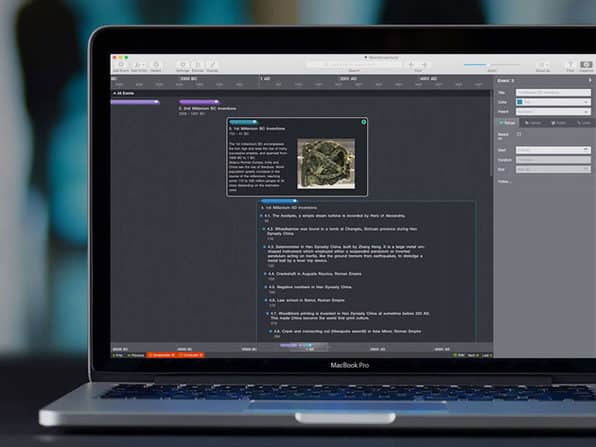
Manage Complicated Projects and Tight Deadlines with Aeon Timeline 2: $14.99
Check out today’s deal on Aeon Timeline 2. I personally love this software. It’s a timeline app for Mac or Windows that allows you to track and/or plot timelines. I like it for managing story lines when I’m working on fiction, but it’s designed to use for a large variety of projects—anything that involves time. It’s very cool, and you can get it through our deal for $14.99 using coupon code DOWNLOADIT at checkout.

International Women's Day, Apple Style – TMO Daily Observations 2019-03-08
Charlotte Henry joins host Kelly Guimont to discuss Apple’s International Women’s Day events as well as macOS and iOS tools for creation.

Be Sure to Properly Remove Data from Devices
David Nield implores us to make sure we properly remove data from our devices before we get rid of them.
Your personal data—be it financial spreadsheets or web searches—is not something you want to be leaving behind for other people to find, and totally wiping your activity off devices or the web takes a few more steps than you might have realized. Don’t worry though, as we’re going to walk you through the process.
Verifications.io Leaked 809 Million Records
An email marketing company called Verifications.io—which has been taken offline—exposed 809 million records in a database.
In general, the 809 million total records in the Verifications.io trove include standard information like names, email addresses, phone numbers, and physical addresses. But many also include things like gender, date of birth, personal mortgage amount, interest rate, Facebook, LinkedIn, and Instagram accounts associated with email addresses, and characterizations of people’s credit scores (like average, above average, and so on).
As always, use the tool HaveIBeenPwned.com to see if your email was included in a data breach.

Silicon Valley Workers Look to Improve Conditions for Contractors
The treatment of contractors was a key issue raised by the recent Google walkout, and by workers and other Silicon Valley firms. Apple itself has been criticized for how non-permanent staff are treated. Now, some workers at Facebook are getting organized. FastCompany reported that they have started a group called Workers for Workers, and are surveying permanent and contractor colleagues about their working conditions.
The fight for solidarity may now be spreading to Facebook, with the launch this week of a group called Workers for Workers. Its website features anonymous stories by Facebook contractors, known as “contingent workers.” The first (and thus far only) post, by someone called “Alice,” states: “The number one thing I’m worried about right now is being stuck in these kinds of contracting roles forever. Never making more than $25 an hour, and being a permanent contractor . . . ”

Apple AR Headset Set for 2020, According to Top Analyst
Apple’s forthcoming AR headset is set to be released 2020, according to high-profile Apple analyst Ming-Chi Kuo. He added that manufacturing will beging by the end of 2019, according to AppleInsider. Significantly, it looks like your iPhone is going to most of the hard work, while the glasses act as a display.
Kuo claims the first generation of Apple’s AR glasses will only act as a display, with a nearby iPhone performing all of the processing, including rendering scenes, providing a data connection, and location-based services like GPS. It is unclear if the accessory would be connected by a cable or take the wireless route and use Bluetooth, Wi-Fi, or another similar technology for close-range communications.


