Electric Vehicles are Getting Cheaper. But That Doesn't Mean We're Buying Them.

Electric vehicles are getting cheaper. Research suggests that come 2022, they will cost the same as gas-powered vehicles even without government subsidies. However, that does not mean consumers are going to make the decision to go electric. As well as cost, the lack of infrastructure for electric vehicles is a problem. Wired looked into the issues surrounding the adoption of electric vehicles.

If you live in the U.K., Germany, France, the Netherlands, or Norway, an electric car is already a better deal, according to another recent report from the International Council for Clean Transportation. It compared an electric VW Golf to the Golf’s hybrid, gas, and diesel versions over four years, and found that the electric version was cheapest in each of those countries because of subsidies and tax breaks along with the savings in fuel cost. The difference is biggest in Norway, where the electric Golf is 27% cheaper than one running on diesel.


Inside the Renovated Apple Store in Natick Mall

The Apple Store in the Natick Mall, Massachusetts reopened Saturday. It followed 9 months of renovation work. The store is twice the size after Apple took over a JCrew store next to its original site. It features a new Forum, a Video Wall and, of course, the pivoting glass doors. 9to5Mac shared some pictures of the upgraded retail spot.

A brand new Forum, Video Wall, and signature pivoting glass doors welcome shoppers to the new Apple Natick Collection. Natick’s store is the 7th out of 11 stores in Massachusetts to be updated with Apple’s contemporary design language. Like all recent designs, the space is significantly wider than it is deep, opening the storefront to its surrounding environment. In order to increase customer capacity, Apple absorbed a former J.Crew store next door.

These AI-Created People Don't Exist

Digital Trends writes: «While it’s been clear for quite some time that modern A.I. is getting pretty darn good at generating accurate human faces, it’s a reminder of just how far we’ve come…»  The face shown here is just one of many created by an AI, explained in the article. «The results … well, you can see them for yourself by checking out the website. Hitting refresh will iterate an entirely new face.»

Soon there will be artificial people on the internet writing AI created articles. (I am actually one of them.)

Apple's Classical Music Problem

Last year Apple Music got its very own classical music section, but it seems as if it has languished ever since.

Frustrations with classical music streaming are nothing new, but as Charles tells us, this is a problem that affects nearly every streaming music service, including Apple Music rival Spotify. In an effort to find out exactly what’s wrong with classical music on Apple Music — and what steps could be taken to address these problems — we asked Charles and Rumiz to detail the biggest issues with classical music on Apple Music.

How to Manage Your Online Personal Data

Louise Matakis put together a guide on how to manage your online personal data, and figuring out who buys, sells, and barters it.

Personal data is often compared to oil—it powers today’s most profitable corporations, just like fossil fuels energized those of the past. But the consumers it’s extracted from often know little about how much of their information is collected, who gets to look at it, and what it’s worth. Every day, hundreds of companies you may not even know exist gather facts about you, some more intimate than others. That information may then flow to academic researchers, hackers, law enforcement, and foreign nations—as well as plenty of companies trying to sell you stuff.

A good guide as usual from Wired.

Sir Tim Berners-Lee Wants to Fix the Web with New Startup

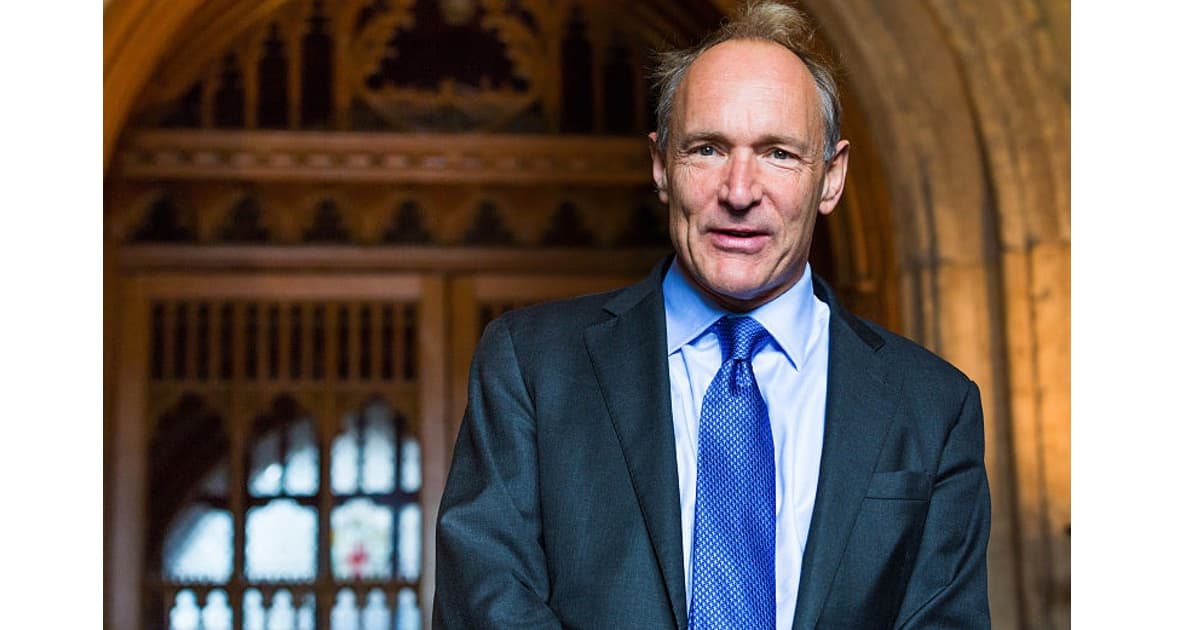
Sir Tim Berners Lee, the inventor or the World Wide Web, has a new, a project. Called Inrupt, it wants to develop a new web structure to put people back in control of their data. Data would be stored on an individual’s «pod» instead of a company’s server. Wired spoke to Sir Tim about the project.

Inrupt aims to drive the development of the Solid platform and transform it from an innovative idea to a viable platform for businesses and consumers. “My group in the CSAIL [Computer Sciences and Artifical Intelligence Laboratory] Lab at MIT had been working on Solid for some years,” Berners-Lee says. “The initial goal of Inrupt is to add the energy and resources of a startup to the open-source efforts to make the Solid movement happen.”

This AI Tool Scares the Crap Out of Elon Musk

OpenAI, an AI research institute cofounded by Elon Musk and Sam Altman, built an AI text generator that its creators worry is dangerous.

Jack Clark, policy director at OpenAI, says that example shows how technology like this might shake up the processes behind online disinformation or trolling, some of which already use some form of automation. “As costs of producing text fall, we may see behaviors of bad actors alter,” he says.

Based on the examples I think it’s safe to say this AI would pass the Turing Test.

Allstate's iCracked Purchase Could be a Win For Consumers

Insurance company Allstate’s purchase of repair firm iCracked Tuesday confirmed its position as a key player in the right to repair movement. Malcolm Owen on AppleInsider commented that the deal could help Allstate speed up device repairs claims process. In the future, customers may only have to be without a phone for hours, not days.

At the same time as bolstering its consumer offerings, acquiring iCracked also makes Allstate a major force in the right to repair movement in the United States, due to its business involving third-party repairs. Repair.org executive director Gay Gordon-Byrne confirmed to Motherboard the outfit has already loaned a lobbyist to assist the push for legislation in New Hampshire. The purchase is already being seen as a positive for the movement, with iFixit CEO Kyle Wiens claiming «I’m optimistic that this partnership will elevate the visibility of the work that we’re doing together.