

iPhone 17 launched just last month, yet rumors about iPhone 18 are already circulating. Apple officially unveiled the iPhone 17 lineup on September 9, 2025, with pre-orders opening September 12 and sales starting September 19.
Even before users have fully settled into their new handsets, the early whispers around the next generation suggest modest refinements, smarter optics, and deeper integration of Apple’s own silicon.
While the iPhone 17 Pro lineup continues to dominate headlines with its titanium frame and improved thermal system, attention is already shifting toward what comes next. Reports point to a smaller Dynamic Island, a translucent MagSafe area, and new camera hardware designed for greater control. Add in Apple’s upcoming A20 Pro chip and a custom C2 modem, and the next iPhone 18 appears poised to focus on refinement, efficiency, and subtle design progress instead of major overhauls.
Don’t miss the best of The Mac Observer
Set us as a preferred source and our Apple reporting ranks higher in your Google Search results and Discover feed — one tap, no account changes.
Smaller Dynamic Island

Weibo leaker Instant Digital, known for accurate early details, reports that the iPhone 18 series will feature a smaller Dynamic Island. The change might appear cosmetic, but it suggests Apple is gradually preparing for an all-glass display in future models. By tightening the cutout, Apple frees more usable screen space and simplifies the transition toward under-display sensors.
The same source clarifies that under-screen Face ID will not arrive until the iPhone 19 Pro or later. Apple has tested this idea for years, but the current optical limitations and cost appear to hold it back. For now, the Dynamic Island remains, but leaner and likely better integrated with iOS animations.
Rather than chasing dramatic overhauls, Apple focuses on proportions and visual balance. The new Island might not change how people use the phone daily, but it reflects Apple’s slow, deliberate move toward a cleaner display front.
Translucent MagSafe Area

Digital Chat Station, another Weibo account with credible factory sources, claims the iPhone 18 Pro will adopt a “slightly transparent” rear section around the MagSafe ring. The term suggests a frosted finish rather than a clear window, letting light subtly reveal the circular magnet zone beneath the glass.
That detail hints at a broader visual shift. A translucent finish could echo the nostalgia of late-90s transparent tech, reimagined through Apple’s modern materials. It also aligns with the company’s renewed attention to texture and light diffusion on the iPhone 17 Pro’s titanium frame.
Beyond looks, this change might improve MagSafe alignment and help third-party case makers design around the magnet array. Users frustrated by misaligned accessories could see this as a practical fix disguised as a style choice.
Variable Aperture Camera

Analyst Ming-Chi Kuo reports that the 48-megapixel Fusion main camera will include a variable aperture. This allows users to manually control how much light hits the sensor, a feature long found in traditional cameras. Apple has kept iPhone apertures fixed since the iPhone 14 Pro, which limited flexibility in mixed lighting.
Variable aperture gives photographers greater control over depth of field and low-light balance. While the iPhone’s smaller sensor won’t rival full-frame cameras, this adjustment improves exposure precision and background separation. It also helps reduce noise during night captures without relying heavily on computational processing.
Apple’s likely approach will be seamless automation users can override settings, but the system will pick optimal values in real time. That balance between manual control and software assistance matches Apple’s camera philosophy of professional control without complexity.
Redesigned Camera Control Button
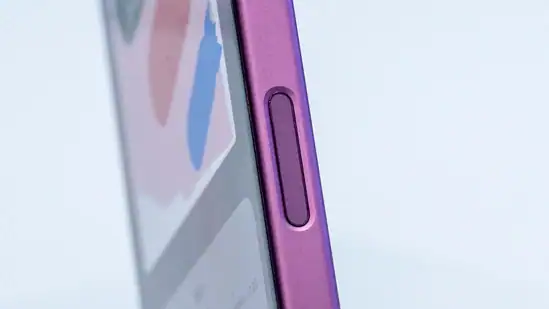
Reports also describe a new Camera Control button, reengineered to sense pressure rather than depend on swipes or taps. This change mirrors physical shutter buttons on dedicated cameras, offering a half-press to lock focus and exposure before capturing the shot.
Such tactile precision could elevate the shooting experience. Photographers can feel when the lens is ready instead of waiting for screen feedback, making quick shots more reliable. It also shows Apple’s willingness to borrow functional design from pro tools without breaking its minimalist aesthetic.
If implemented well, the button could become as defining as the Action Button on the iPhone 15 Pro. Subtle hardware cues often matter more than flashy sensors when it comes to real usability.
A20 Pro Chip and C2 Modem

Inside, the iPhone 18 Pro is rumored to run on Apple’s A20 Pro chip built on TSMC’s 2-nanometer process. That jump promises higher energy efficiency and better sustained performance for demanding tasks like 4K video recording or real-time spatial processing. It continues Apple’s tradition of staying a full generation ahead of most Android flagships in raw processing power.
Alongside the chip comes Apple’s own C2 modem. After years of relying on Qualcomm, Apple’s custom modem could improve 5G stability, reduce power drain, and integrate more tightly with its neural and GPU systems. The inclusion of mmWave 5G support in U.S. models shows Apple isn’t backing away from premium connectivity.
Together, the A20 Pro and C2 modem form the backbone of the next-generation iPhone experience: faster, cooler, and more power-efficient during prolonged use.
The bigger picture
Even with limited confirmation, the recurring sources, Instant Digital, Digital Chat Station, and Ming-Chi Kuo outline a consistent vision. Apple isn’t chasing radical design shifts but refining performance, optics, and materials for tangible gains.
The smaller Dynamic Island, translucent MagSafe, and pressure-sensitive shutter all point to physical precision. The A20 Pro and C2 modem reinforce efficiency and responsiveness at the core. The iPhone 18 Pro may not look dramatically different, but it could feel more cohesive, faster, and more natural in the hand, exactly how Apple prefers to evolve its flagship.



Discussion