
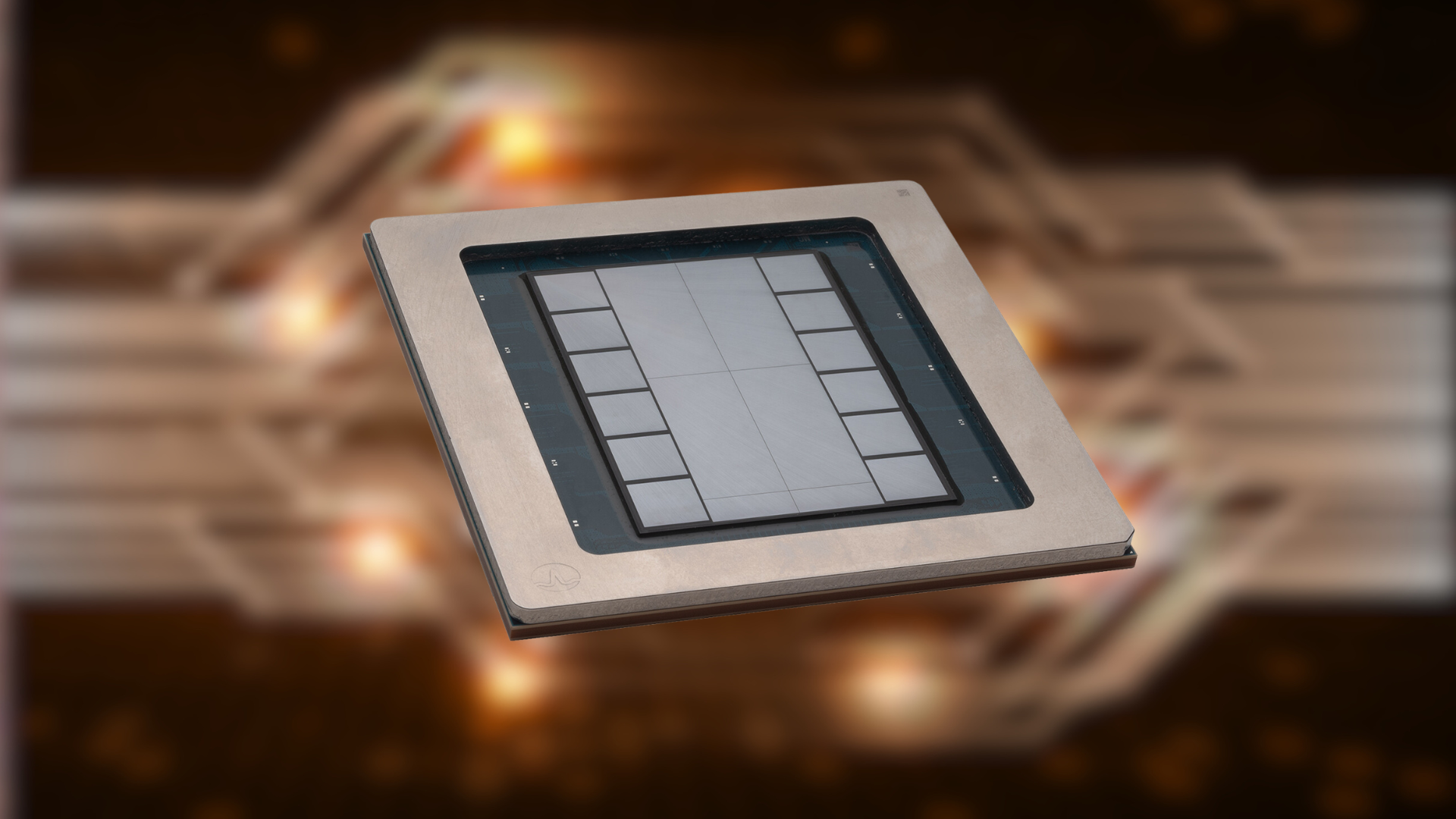
Apple is moving deeper into its custom AI hardware plans, and new details show the company has begun testing advanced glass substrates for its upcoming “Baltra” AI server chip, signaling a clear shift toward tighter control over how its chips are designed and packaged.
According to TheElec, Samsung Electro-Mechanics has been supplying glass substrate samples to Apple since last year, which adds a new layer to Apple’s ongoing work with Broadcom on its AI server chip and shows that Apple wants direct insight into how these components perform before final production decisions.
Don’t miss the best of The Mac Observer
Set us as a preferred source and our Apple reporting ranks higher in your Google Search results and Discover feed — one tap, no account changes.
A substrate acts as the base layer for a chip, and switching from traditional organic materials to glass improves flatness, thermal stability, and reliability, which becomes more important as AI chips grow larger and more complex, especially when multiple chiplets work together in one package.
“The customer base secured through our existing FC-BGA business can be directly leveraged for our glass substrate business,” an industry insider said.
Glass substrates reduce thermal expansion issues and allow finer circuit patterns, which helps prevent warping as chip sizes increase, and this matters because Apple’s Baltra chip is expected to use a chiplet-based design where different modules handle separate tasks inside AI servers.
Apple builds toward long-term in-house control
Apple already works with Broadcom to develop the Baltra chip, which is expected to use TSMC’s advanced 3nm process, but the move to directly test glass substrates suggests Apple wants more control over packaging decisions instead of relying fully on external partners.
“The key to success lies not merely in the speed of mass production, but in building trust by consistently delivering the quality and specifications that our customers demand,” the insider added.
This approach lines up with Apple’s history of bringing key technologies in-house over time, and by evaluating materials like glass substrates early, Apple prepares to take over more of the design and packaging process for its AI hardware while still working with partners during the transition.
Samsung Electro-Mechanics stands to gain if Apple moves forward with these materials, especially as the company targets mass production of glass substrates after 2027, but for now, Apple’s testing phase shows it is laying the groundwork for its next generation of AI infrastructure.


Discussion