
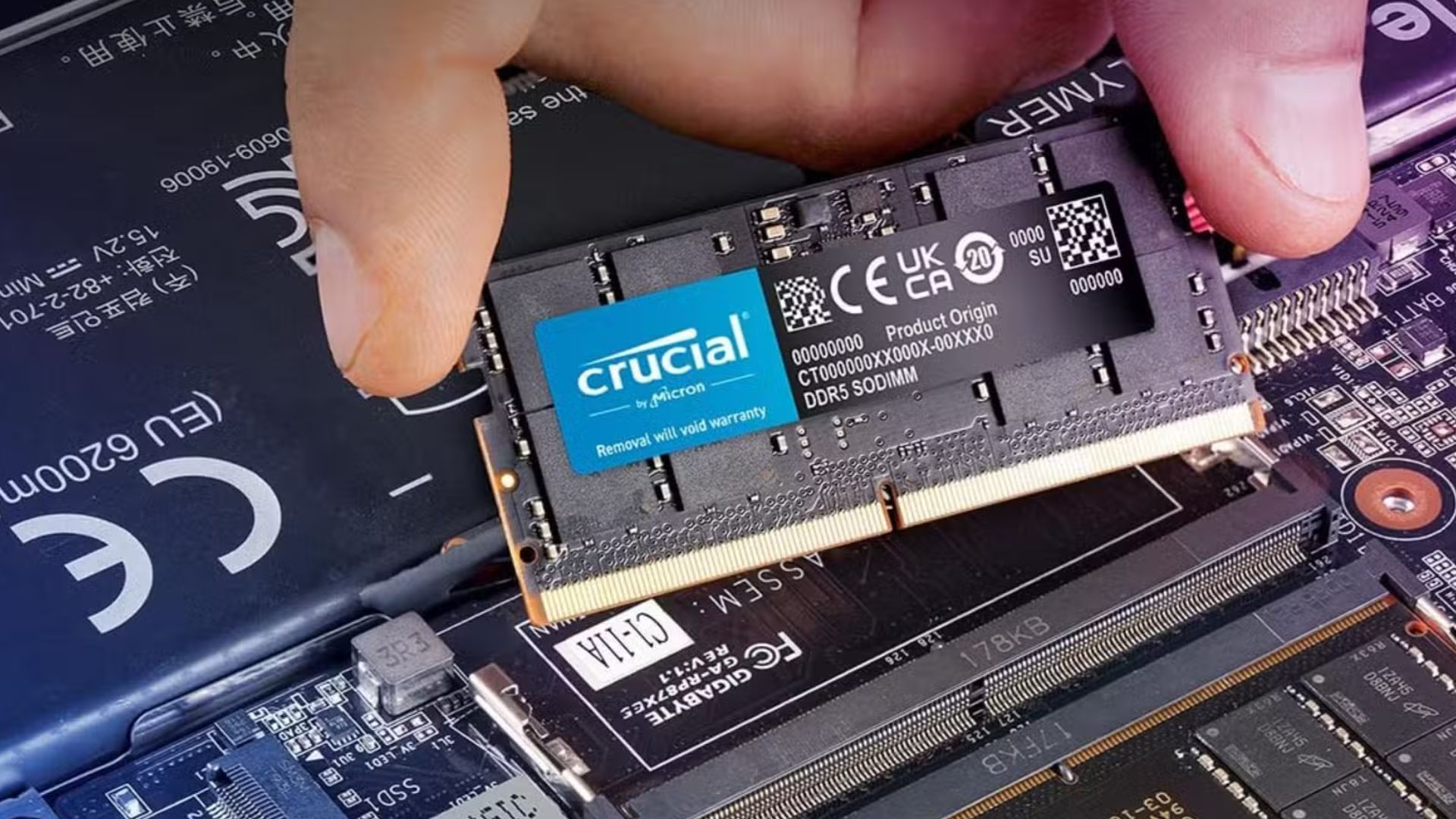
Computer memory has become wildly expensive lately as tech companies buy up all the available supply to build massive artificial intelligence systems. Regular buyers looking to upgrade their personal computers have watched price tags double with no end in sight. Now, new reports from industry watchers show that Huawei is working with the Chinese government to build a massive new memory factory from the ground up.
A new joint venture targets massive monthly wafer production
Huawei is reportedly partnering with SwaySure, a memory company based in Shenzhen, to run a 12-inch memory production plant. SwaySure launched in early 2022 and has direct backing from the local municipal government. Both companies are currently on United States trade restriction lists.
Don’t miss the best of The Mac Observer
Set us as a preferred source and our Apple reporting ranks higher in your Google Search results and Discover feed — one tap, no account changes.
Analysts note that this new factory will run on a 28-nanometer process. The ultimate target for the plant is to produce 140,000 wafers every single month. Public records show that the SwaySure production line is already up and running in some capacity.
The real goal involves securing parts for custom processor chips
While a massive new factory might sound like great news for average PC builders, Huawei is actually trying to solve a different problem. US trade rules block Chinese companies from buying high bandwidth memory from established leaders like Samsung or SK Hynix. Huawei needs this exact type of memory to power its Ascend AI processors.
Instead of trying to flood the market with cheap sticks of desktop memory, the company simply wants to secure a steady supply for its own hardware. Huawei even introduced its own memory design called the HiBL 1.0 late last year. Even with the factory running, experts warn it will take years to master the complex stacking and bonding techniques needed to make these advanced chips at a massive scale.
The current memory market is controlled by just a few large players who carefully manage how much they produce to keep their profits high. China is already ramping up output through other local companies, which could claim a large chunk of the global supply within a few years.
If Huawei successfully gets this new factory running at full speed, it will introduce a serious challenger that builds facilities faster than the old guard can match. This push for independence might just be the exact shock the industry needs to finally bring prices back down to reality for everyone.


Discussion