
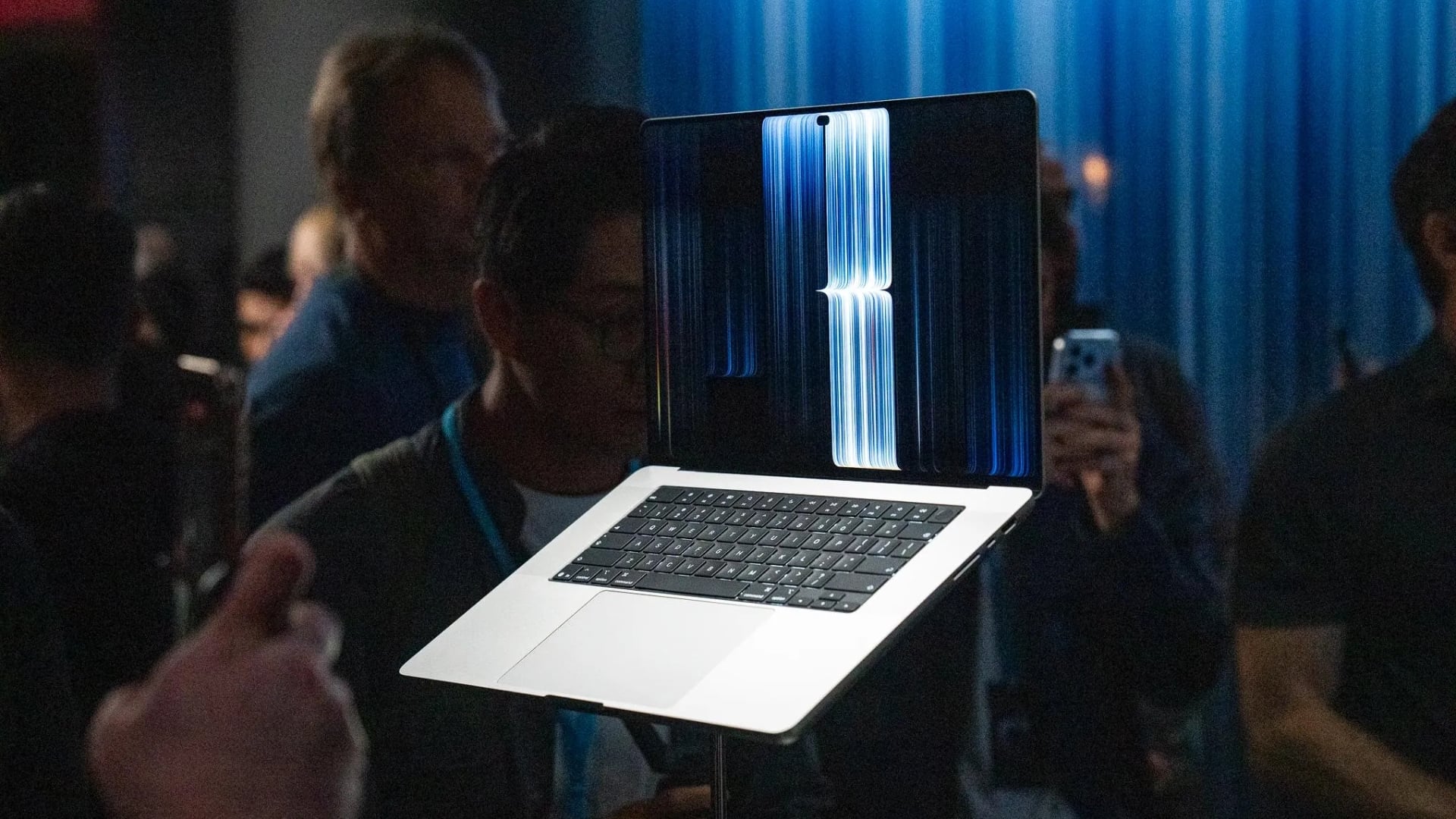
Apple finally introduced its first touchscreen MacBook Pro, ending nearly two decades of resistance to touch-enabled Macs. However, the new model feels surprisingly conservative for such a major milestone, with Apple choosing to refine its existing laptop design rather than introduce something revolutionary.
The redesigned MacBook Pro brings a thinner, lighter chassis, OLED display, Dynamic Island, and M5 Pro and M5 Max chips. Yet the overall experience remains familiar, raising questions about whether Apple has done enough to justify the excitement surrounding its first touchscreen Mac.
Why Apple Played It Too Safe
According to Bloomberg’s Mark Gurman, Apple’s touchscreen implementation focuses primarily on familiar gestures, including tapping, scrolling, pinching, and zooming.
Don’t miss the best of The Mac Observer
Set us as a preferred source and our Apple reporting ranks higher in your Google Search results and Discover feed — one tap, no account changes.
The company has also reinforced the hinge to reduce screen wobble and introduced camera stabilization during touch interactions. However, the display cannot fold backward into a tablet-style position, and Apple has excluded Apple Pencil support.
These limitations leave considerable room for innovation, especially when Windows manufacturers have offered convertible touchscreen laptops for years.
Even the underlying M5 Pro and M5 Max processors remain unchanged, while buyers face a $400 premium for the new display package.
Despite these shortcomings, the PROLED XDR display is arguably the biggest reason to consider upgrading.
Apple’s tandem OLED technology delivers up to 2,000 nits of peak brightness, a 10,000,000:1 contrast ratio, and a 120Hz adaptive refresh rate. Support for P3 and Adobe RGB also makes the panel particularly attractive for professional creative work.
The lighter design and up to 24-hour battery life add further appeal, especially for owners of older MacBook Pro models.
With prices starting at $2,899 and availability beginning November 6, Apple’s first touchscreen MacBook Pro represents a meaningful hardware upgrade. Still, the real opportunity lies in what Apple does next with touch and macOS.

Discussion