
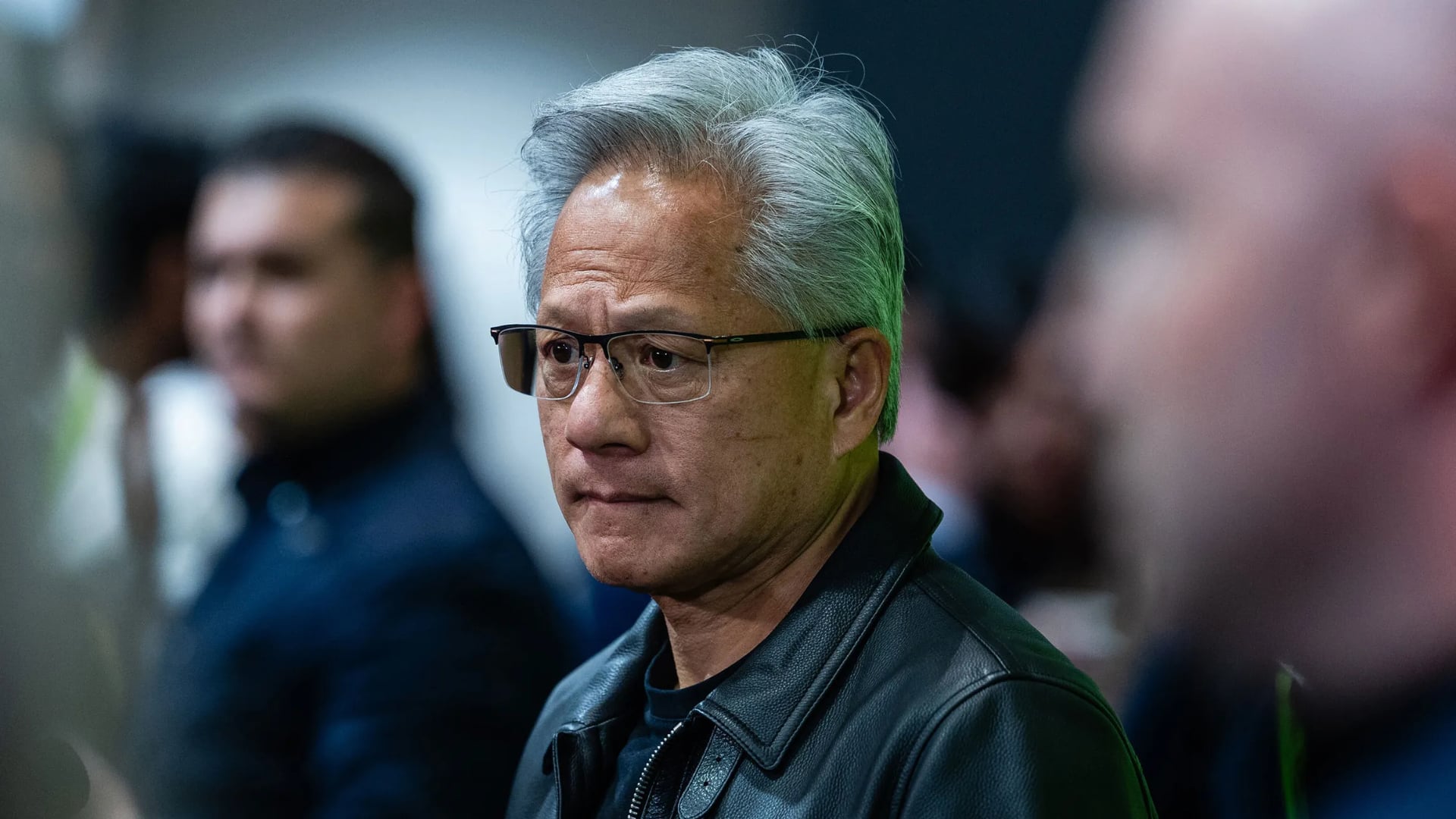
Jensen Huang resigning as Nvidia CEO is one of those moments that feels almost impossible to imagine until it actually happens. After 33 years of building Nvidia into the company powering the global AI revolution, Huang is stepping away from the business he founded. The significance of his departure is comparable to Steve Jobs resigning as Apple CEO in 2011, when Apple lost the visionary responsible for transforming its future.
There are very few executives whose identities are so closely tied to their companies that imagining one without the other feels strange. Jobs was one of them, and Huang belongs in that same category. Both helped define major shifts in computing, built powerful technology ecosystems, and made decisions that influenced the direction of the entire industry.
Why Jensen Huang’s Exit Is Such a Big Deal
Huang co-founded Nvidia in 1993, long before artificial intelligence became the biggest investment theme in technology. What began as a graphics chip company eventually became the foundation of modern AI computing, supplying the hardware and software that companies use to train and operate advanced AI models.
Don’t miss the best of The Mac Observer
Set us as a preferred source and our Apple reporting ranks higher in your Google Search results and Discover feed — one tap, no account changes.
Much of that transformation came from decisions Nvidia made years before the industry recognized their importance. The introduction of CUDA in 2006, for example, allowed developers to use GPUs for general-purpose computing, helping establish the software ecosystem that now supports much of the AI industry.
The company’s extraordinary growth reflects how important those early decisions became. Nvidia reported $96.2 billion in quarterly revenue in August 2026, up 106% from the previous year, with its data center business accounting for $89 billion.
That makes Huang’s resignation particularly significant because Nvidia is losing its founder during one of the most consequential periods in its history.
The Steve Jobs Comparison Makes Sense
When Jobs resigned from Apple in August 2011, the company had already transformed the consumer technology industry through the iPhone, iPad, and Mac. His departure raised questions about whether Apple could maintain its culture of innovation without the person who had shaped its products and strategy.
Nvidia now faces a similar question.
Huang has been deeply involved in Nvidia’s engineering strategy, product development, and relationships with major customers. His influence extends beyond individual chip generations to the company’s broader direction in accelerated computing, AI networking, robotics, and data center infrastructure.
Apple had Tim Cook ready to take over when Jobs resigned. Nvidia has instead appointed CFO Colette Kress as interim CEO while its board searches for a permanent replacement, creating additional uncertainty about its long-term leadership.
Can Nvidia Remain the Same Without Huang?
Nvidia confirmed Huang’s resignation on November 12, effective immediately. The announcement follows days of boardroom uncertainty and investor concerns, although Nvidia did not explain the reason for his departure.
The company still has its engineers, CUDA ecosystem, enormous customer base, and strong position in AI infrastructure. These advantages have taken decades to build and will remain important under its next CEO.
However, Huang’s ability to anticipate where computing was heading has been central to Nvidia’s success. The next CEO must preserve that technical ambition while managing relationships with companies investing hundreds of billions of dollars in AI infrastructure.
When Steve Jobs left Apple, the industry wondered whether the company could continue succeeding without its defining leader. Fifteen years later, Nvidia faces its own version of that question, with its future leadership still undecided.
Huang’s resignation feels like the end of an era for Silicon Valley, and its consequences could extend across the entire AI industry.

Discussion