
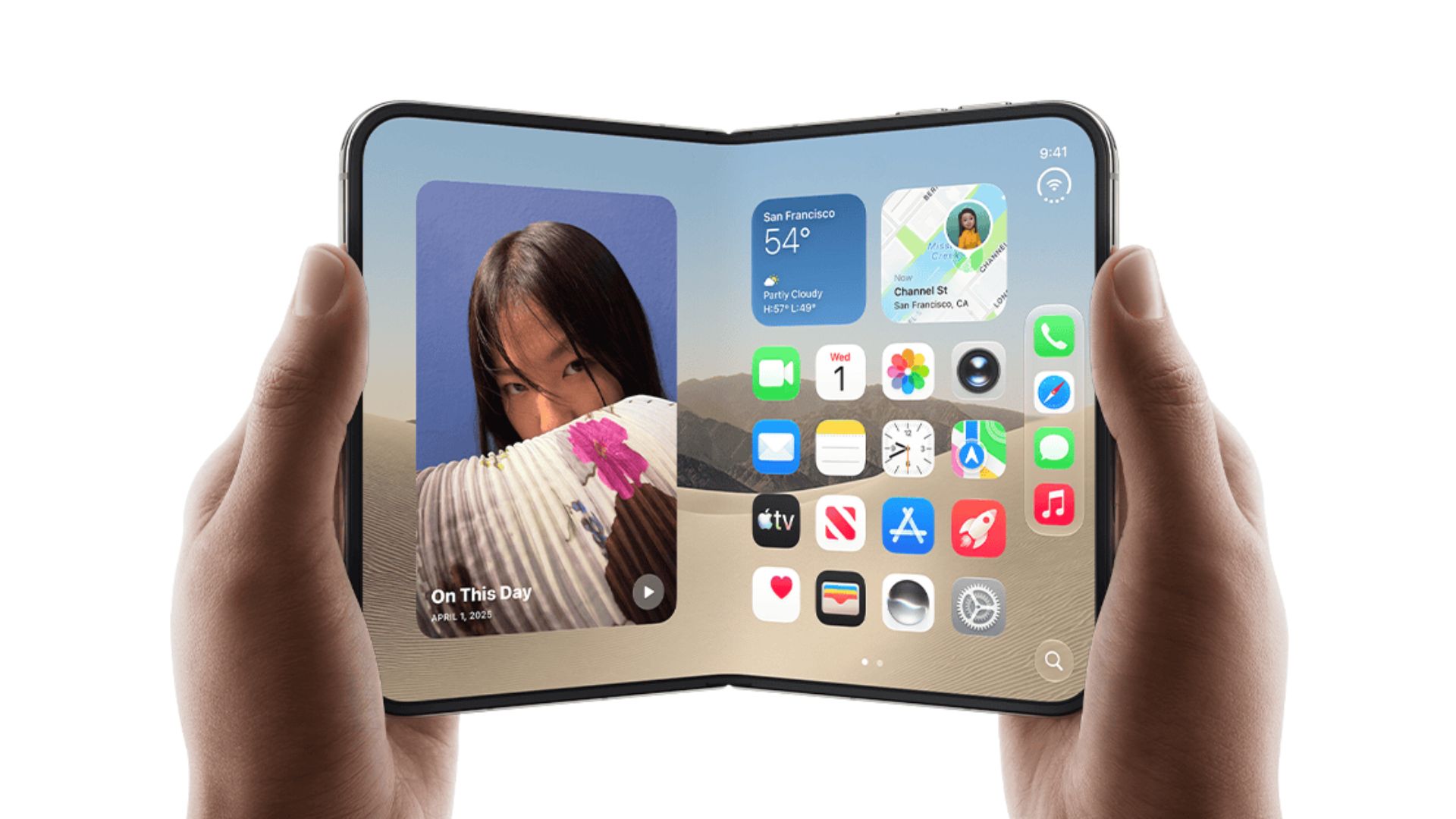
Apple has reportedly developed iPhone Duo 2 prototypes with Face ID and is actively working to integrate facial recognition into the foldable’s outer display. However, the company is running out of time to finalize the hardware for its planned fall 2027 launch, leaving the upgrade’s arrival uncertain.
According to Bloomberg’s Mark Gurman in his latest Power On newsletter, Face ID is Apple’s top priority for the second-generation foldable, internally code-named V78. Engineers have already demonstrated the technology in working prototypes, although Apple has yet to decide whether it can include the system in the final product.
Apple Wants Face ID on the iPhone Duo 2’s Outer Display
The original iPhone Duo uses Touch ID integrated into its side button, allowing fingerprint authentication whether the device is folded or unfolded. Apple adopted this approach because the phone’s thin design leaves limited room for the components required by Face ID.
Don’t miss the best of The Mac Observer
Set us as a preferred source and our Apple reporting ranks higher in your Google Search results and Discover feed — one tap, no account changes.
For the successor, engineers are working to fit facial recognition hardware beneath the outer display, potentially allowing users to unlock the device without touching the fingerprint sensor.
Gurman reports:
“I’m told that Apple has already developed prototypes of the iPhone Duo 2 with Face ID, and engineers are still actively working to integrate the facial-recognition system into the outer display of the second-generation model.”
Although Apple has been testing Face ID prototypes since at least October, the company needs to finalize the device’s hardware specifications soon to maintain its 2027 release schedule.
Face ID Could Be Delayed Until iPhone Duo 3
Gurman says it remains uncertain whether Face ID will make the second-generation model. If engineers cannot complete the integration before Apple’s hardware deadline, the feature could slip to the iPhone Duo 3, potentially arriving in 2028.
Apple is also exploring an Action button, possibly by combining its functionality with the existing Camera Control button. Longer-term improvements include a dedicated telephoto camera and a thinner, lighter design.
However, the iPhone Duo 2’s expected specifications will largely reflect decisions made before the original model launched in October 2026.
As a result, customer feedback on the first-generation foldable is unlikely to influence major hardware changes until the third generation, while Face ID remains Apple’s most immediate engineering challenge.




Discussion