A Cashless Society Could Affect Strippers and Other Sex Workers

I’ve written musings here and there about the cashless society, but sex work as an affected industry hadn’t crossed my mind. I think it’s an important conversation to have, though. I wonder what an alternative could be? Special jewelry with NFC chips that can accept peer-to-peer payments? Imagine tipping a stripper with Apple Pay. Sorry Tim Cook.

But without cash, the club I work at is free to exploit. Cash handed directly to a dancer gets pocketed, but credit card charges are skimmed—and because workers are more or less off the books, we have no recourse to contest absurdly high fees. When a customer pays several hundred dollars to spend time in a dark room alone with a dancer, the club takes a 70 percent cut.


Using macOS Catalina Hands Free to Design a Logo

It’s a short video, but developer Camera Cundiff tweeted a video in which he used macOS Catalina Hands Free to design a simple logo.

video: time-lapse screencast, dictating commands to XD via macOS voice control, demonstrating the use of Number and Grid targeting to create overlapping shapes and type.

Hands Free is such a powerful feature, and combined with Siri makes the Mac feel like a Star Trek computer.

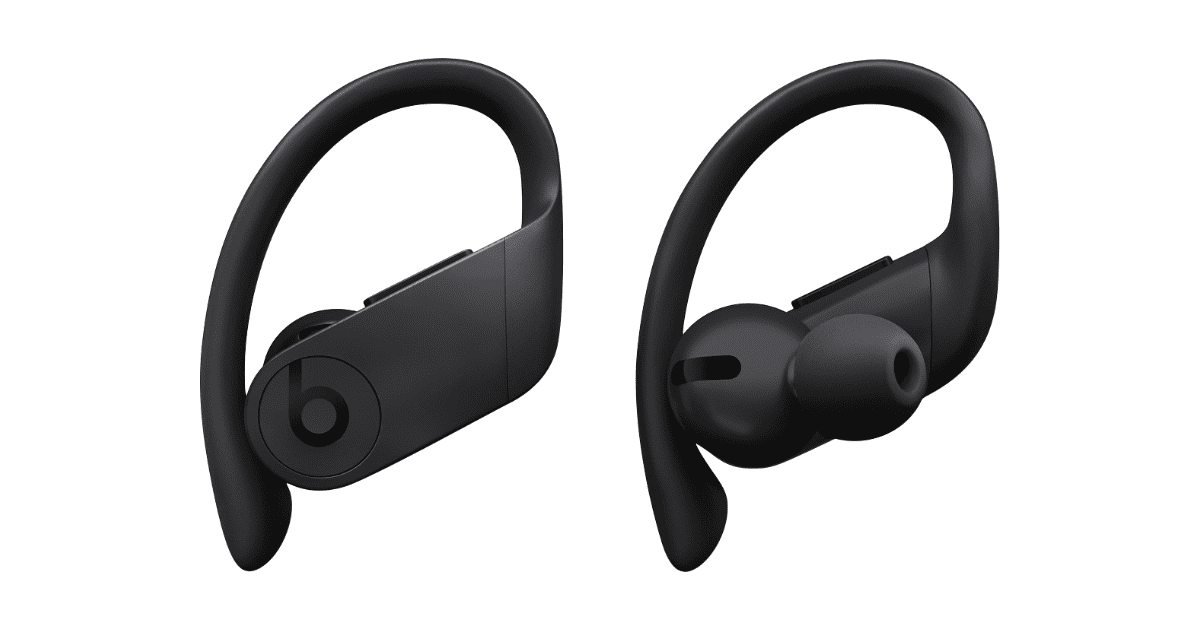
Powerbeats Pros Are The Ultimate AirPods Alternative

Powerbeats Pros are the best AirPods alternative. That’s according to Avery Hartmans, who wrote about his experience with the wireless headphones for Business Insider after he used them for two months.

Beats really overhauled the look and feel of the Powerbeats with the new Pro model. They’re sleeker, and they feel more premium. The coating on the outside is that kind of smooth-yet-velvety material that’s pleasing to touch, and they have a bit of heft to them (although they’re not so heavy you’ll hate wearing them). Beats also upgraded the case, which is now a hard outer shell that can charge up your headphones, just like the AirPods case. It, too, has a luxurious look and feel, and acts as a good ambassador for the headphones inside: expensive-looking, branded — of course — but not ostentatious.

Jony Ive's Long Walk Towards The Apple Exit

In the days since Sir Jonny Ive’s imminent departure from Apple was announced, many commented that he had long checked out. The Wall Street Journal published a fascinating, detailed piece outlining his long exit.

As the deadline loomed for the 10th anniversary iPhone, Apple Inc.’s top software designers gathered in the penthouse of an exclusive San Francisco club called The Battery. They had been summoned some 50 miles from the company’s Cupertino, Calif., headquarters to demonstrate planned features of the product to Jony Ive, Apple’s design chief, who seldom came to the office anymore from his San Francisco home. For nearly three hours on that afternoon in January 2017, the group of about 20 designers stood around waiting for Mr. Ive to show, according to people familiar with the episode. After he arrived and listened to the presentations, he left without ruling on their key questions, leaving attendees frustrated. “Many of us were thinking: How did it come to this?” said a person at the meeting. There was a sense “Jony was gone but reluctant to hand over the reins.”

Eddy Cue on Apple TV+, Steve Jobs, and More

Eddy Cue sat down for an interview with GQ, talking about Apple TV+, Steve Jobs, iTunes, and more.

Today, says Cue, most people subscribe to a satellite or cable service. “But do you think that’ll be the case ten years from now? I don’t think even the cable and satellite people are going to raise their hands. There’s a pretty rapid change coming.”

Conficker - The Botnet That Could Have Decimated The Internet, But Didn't

A fascinating feature in Sunday’s New York Times tells the story of Conficker. The giant botnet could have wreaked havoc on the internet, but didn’t. We now have some idea why.

Conficker’s botnet was easily capable of launching any of the above — and far worse. At its height, when it consisted of at least 10 million individual IP addresses, there were few computer networks in the world secure enough to withstand an attack from it. And yet it was used only once, to spread a relatively minor strain of “scareware” intended to frighten unsuspecting users into downloading fake antivirus software. That attack was surprisingly pedestrian, like taking a Formula One racecar for a slow ride around the block. Surely something bigger was coming. But it never did. Why? Who created Conficker, and why bother if they were not going to use it?