
For the last day of WWDC, Kelly has an interview with iOS developer Aleksey Navicov, and also chats with Rogue Amoeba’s Paul Kafasis.
Apple Watch Grant Program Launches This Fall
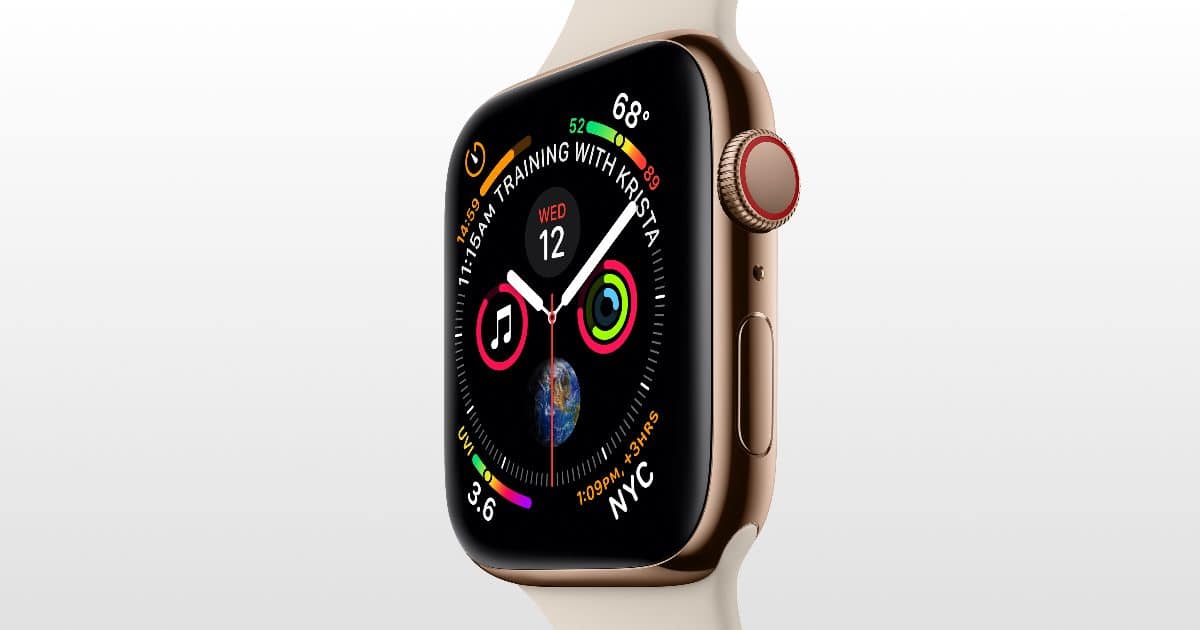
A limited Apple Watch grant program is launching this fall for ResearchKit and CareKit researchers. It’s part of what Apple calls an “Investigator Support Pilot.”
Apple said the new initiative, which is currently still in development, will have a simple submission process through the redesigned ResearchKit and CareKit website. While details on the new program were light during Apple’s presentation, the company said it would prioritize “studies that advance science and help people to lead healthier lives by uniquely leveraging our ecosystem,” and that more info would be available on the new website soon.
To Increase Bills Comcast Broke Law 445,000 Times
A judge recently ruled that Comcast violated Washington state consumer protection law 445,000 times.
The court found that Comcast added the SPP to the accounts of 30,946 Washingtonians without their knowledge, and did not tell an additional 18,660 Washingtonians the true cost of the plan. The court ordered Comcast to refund affected consumers, and pay 12 percent interest on the restitution. The amount of restitution is unknown at this time, but is expected to be significant. The court ordered Comcast to issue the refunds within 60 days and report to the state on the specific details and amounts.
Comcast is being fined a paltry US$9 million for this. Put another zero on it, then we can talk.

News+: Bad Behavior in the VPN Industry
Max Eddy reviews VPNs for PCMag. Although he believes most vendors have good intentions, he highlights several examples of bad behavior in the VPN industry.
From my experience working with VPNs, I can say with certainty there is a culture of sabotage and paranoia among some vendors. Anonymous dumps of damning information about one VPN vendor get blamed on another VPN vendor. Tips come in suggesting that corporate ownership is tied to the Russian mafia or some other criminal operation. Commentators hold up one VPN review site as an example of rectitude; others say the same site is secretly run by a VPN vendor with an agenda. When there is this much disinformation and counter-disinformation (which may also be disinformation), it’s impossible to tell who is telling the truth.
Before I came to The Mac Observer, one of my freelancing gigs was writing for a VPN company. I saw some of the same things as Mr. Eddy. In both privacy and security circles, there is a tint of paranoia and conspiracy thinking, at least with some people.
This is part of Andrew’s News+ series, where he shares a magazine every Friday to help people discover good content in Apple News+.
Powerbeats Pro Teardown Shows Parts Cannot be Replaced
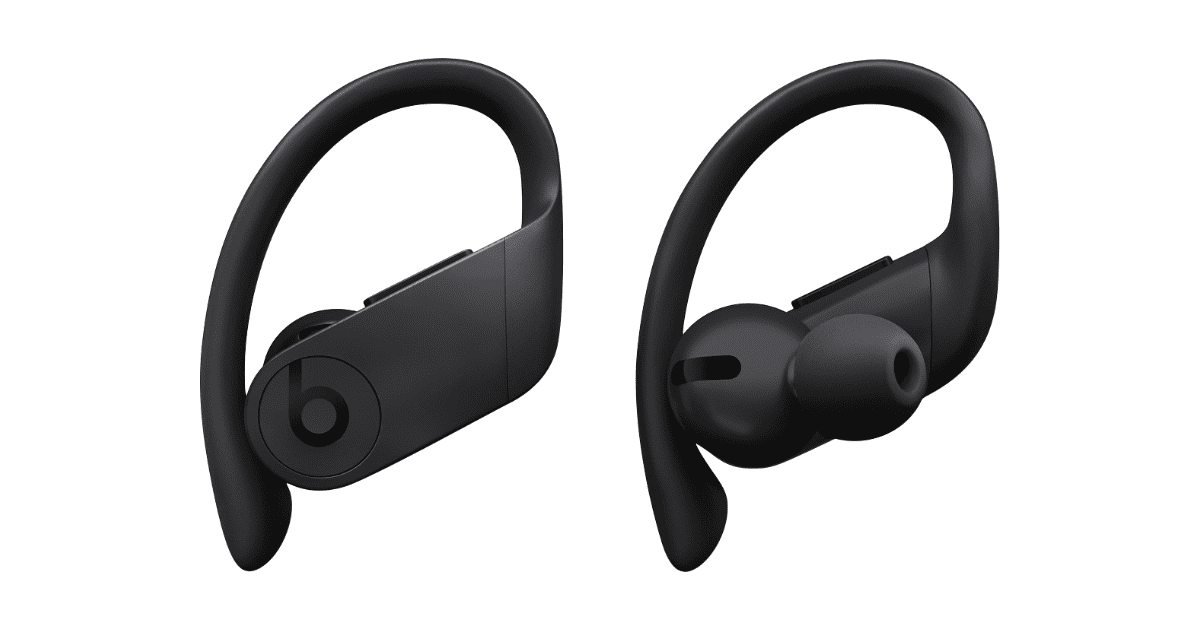
iFixit put the Powerbeat Pro headphones on their teardown table earlier this week. Cult of Mac ran through what they found, and it isn’t pretty.
The first thing you’ll discover when you attempt to get into the Powerbeats Pro is that … you can’t. Not easily, at least. Like most Apple products these days, there’s copious amounts of glue holding everything together. It’s not totally impossible, then, but you’ll need a lot of luck on your side if you want to get your Powerbeats Pro open without breaking them. There’s no real reason to open them up anyway. Every internal component is permanently attached to another, “so a full disassembly can only be accomplished destructively,” iFixit explains. You can’t just replace a single part.
Why Jeff Bezos Wants to Colonize the Moon
Amazon CEO Jeff Bezos wants to colonize the Moon. Obviously. Business Insider reported on his speech at his firm’s re:MARS conference. He told attendees that we have to go to space «to save the Earth.»
Bezos said that using the moon is all part of his plan to save humanity by helping build the infrastructure necessary for space colonization. «The reason we’ve got to go to space, in my view, is to save the Earth,» he said on Thursday. «If we’re going to continue to grow this civilization, we need to move — and I’m talking about something our grandchildren will work on and their grandchildren— and so on this isn’t something just this generation is going to accomplish.» And the moon turns out to be the perfect landing spot for our eventual space needs for a variety of reason, Bezos believes.
App Store Anti-Trust Concerns in DOJ
The Apple App Store and Google Play store are something of a duopoly. This is causing some anti-trust concerns within the U.S. Department of Justice. Bloomberg News looked at why the DOJ is starting to think about app store marketplace.
More than $100 billion was spent through these marketplaces last year. Apple’s App Store handled 45% of that, while Google accounted for 25%. In the U.S., the two control more than 95% of all mobile app spending by consumers, according to Sensor Tower data.This power means most developers must work with Apple and Google if they want to reach billions of smartphone users as customers. The companies take as much as 30% of app sales, creating highly profitable businesses — but also a rising chorus of critics who see an exploitative duopoly.

Sarah Herrlinger, Apple’s Global Accessibility Chief Talks Tech
Sarah Herrlinger, Apple’s Global Accessibility chief, talks about new accessibility features in iOS 13 and macOS Catalina.
Accessibility, as it always does, plays a significant role in not only the conference itself — the sessions, labs and get-togethers all are mainstays of the week — but also in the software Apple shows off. Of particular interest this year is Apple’s Voice Control feature, available for macOS Catalina and iOS 13 devices, which allows users to control their Macs and iPhones using only the sound of their voices.
The new features, such as Voice Control, are amazing.
WWDC Day Four – TMO Daily Observations 2019-06-06
Today from the WWDC vicinity, Kelly interviews Philippe Casgrain, organizer of NSNorth, and Ken Case, CEO of Omni Group.
Microsoft Does Something Unexpected About Privacy
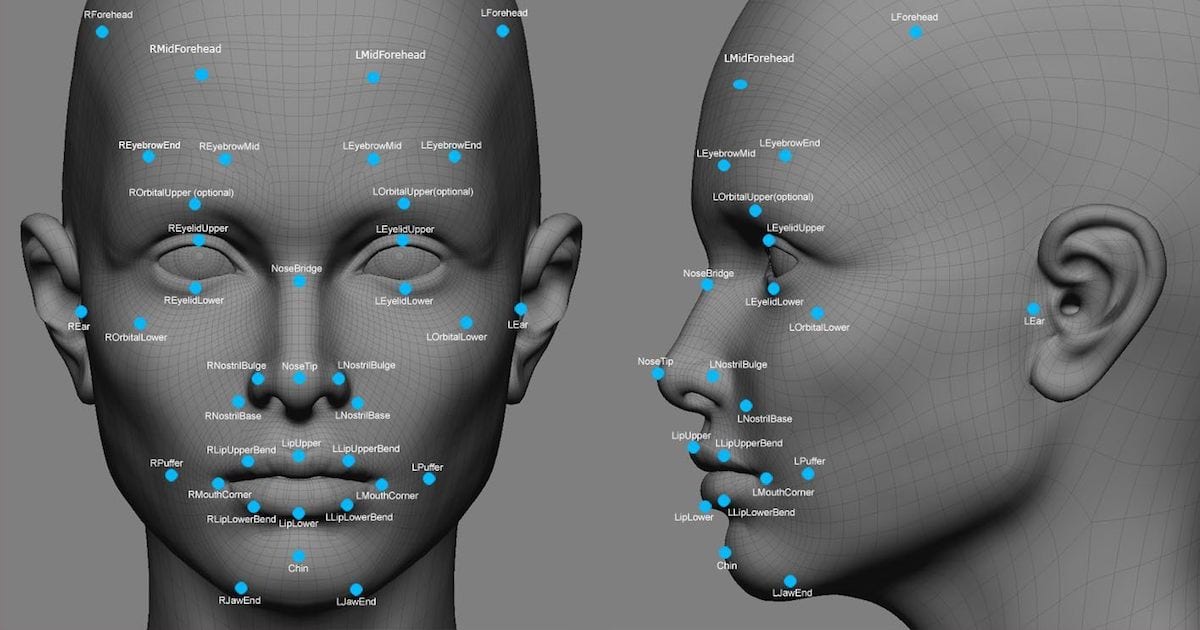
According to engadget, «Microsoft discreetly wiped its massive facial recognition database.»
Microsoft has been vocal about its desire to properly regulate facial recognition technology. The company’s president, Brad Smith, appealed directly to Congress last year to take steps to manage the tech, which he says has «broad societal ramifications and potential for abuse.» Such are the company’s concerns that it even blocked the sales of the tech to California police forces. Now, Microsoft is continuing its crusade by quietly deleting its MS Celeb database, which contains more than 10 million images of some 100,000 people.
These days, it seems everything in tech privacy matters gets continuously worse. Deleting big data sets is hard to do. Good work, Microsoft.


