EvaSMART 2 Smart Personal Air Conditioner: $199

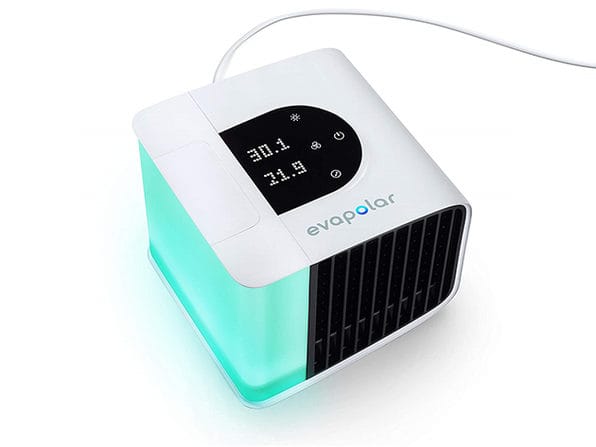
Check out the EvaSMART 2, a personal air conditioner that combines the functionality of a humidifier and air conditioner into a single device. It uses natural evaporative cooling to lower the temperature around you, and filters out dust particles. And, it can be operated via an on-board touch pad, mobile app, or simply your voice. it’s also compatible with Alexa and Google Home. Plus, it consumes just 12.5 W of power. This device is $199 through our deal.

https://www.youtube.com/watch?v=90FTZ0Vlgnk
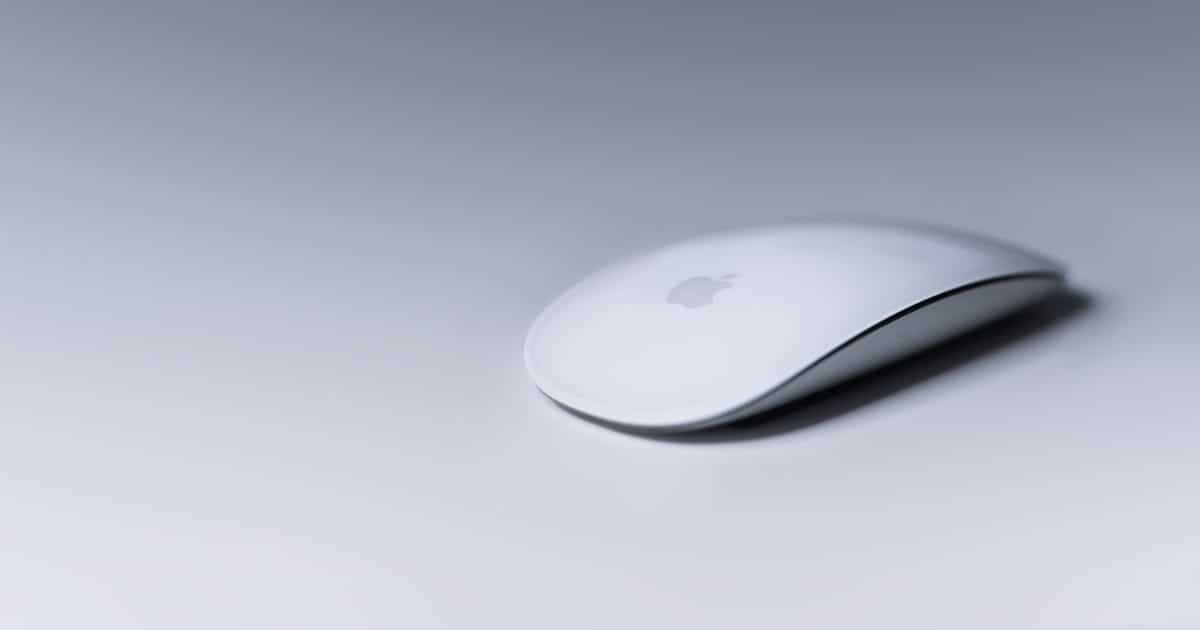
Apple's Approach to Mouse Support for iPad is Wrong

Mouse-support is coming to the iPhone and iPad this fall. This is a feature many users have wanted for a while. However, on Cult of Mac, Killian Bell argues Apple still has the wrong attitude to the issue.

Apple “strongly emphasized this was designed and developed expressly for a certain segment of user.” In other words, Apple wants you to use touch if you can. You shouldn’t be controlling your iPhone or iPad with a mouse unless it’s absolutely necessary. But why is Apple so adamant about that? Why can’t it embrace the fact that some people — mostly those who use an iPad for work — would just prefer to use a mouse? What worries me about Apple’s view is that it will hold back iPad mouse support in the future. It’s almost as if Apple doesn’t want to make mouse support too good, just in case those who can use touch choose to use a mouse instead.

Developers Concerned As Apple Releases Similar Products to Theirs

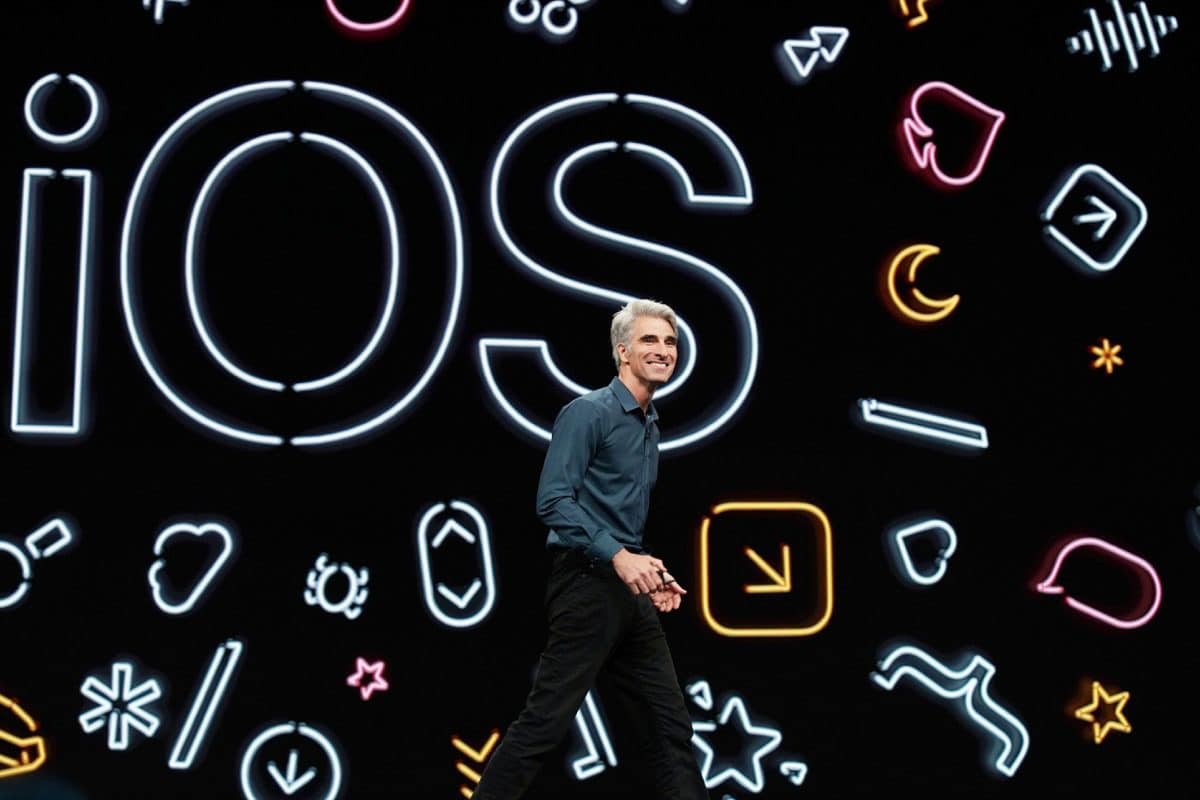
Apple announced a variety of great products and tools and WWDC 2019. However, not all those in attendance were happy with what they saw from the stage, AppleInsider found. Some of the Apple announcements were variations of these developers’ products. Apple is perfectly entitled to do this, of course, but it makes life harder for the developers.

Apple innovates and Apple introduces new technologies in hardware and software, but it also does its own version of other people’s apps. You might have built a business up and Apple announces it is doing the same thing as you. That happened this year to hardware developers Duet Display and Luna Display, whose products have been providing the features that Apple has now built in under the name Sidecar. And it’s happened to software developer James Thomson, whose PCalc for Apple Watch will have to compete with Apple’s own calculator in watchOS 6.

22 Years of Apple Website Design History Visualized

The Version Museum has a visual history of 22 years of Apple website design history, starting in 1994.

Version Museum is devoted to showcasing the visual history of popular websites, games, apps, and operating systems that have shaped our lives.

The biggest change is the evolution of that tab bar at the top of the website, going from light to dark.

Every Final Fantasy Soundtrack Now on Apple Music

Square Enix has released every Final Fantasy soundtrack on Apple Music and Spotify. Search for “Final Fantasy original soundtrack.”

There’s been no mention of it on Square Enix’s social media channels, even the Final Fantasy-specific one. But it likely has to do with a special concert being given this week for FF VII, the remake of which is almost certain to appear at E3. I’ve listened to a few tracks and it all seems legit. The only thing is that many of the titles are in Japanese — so it might be difficult to pick out your favorite character’s theme or what have you if you don’t, you know, speak that language.

Sign in With Apple Should Be Above Other Options, Say Guidelines

Apple wants developers to make its new Sign In with Apple feature more prominent that rival sign-in options.  MacRumors reported on the change to the company’s Human Interface Guidelines.

One detail in Apple’s updated Human Interface Guidelines is raising eyebrows – Apple is asking developers to position its Sign In With Apple button more prominently by putting it above all other rival sign-in options. The guidelines are regarded as suggestions about how developers should build their apps, rather than mandatory requirements. Even so, many developers believe that following the guidelines give their apps the best chance of passing Apple’s approval process. Curiously, Apple is also asking developers to place its Sign In with Apple button above other options on websites, an area over which it wields no review power.

Mac Pro's $1000 Monitor Stand is Ridiculous

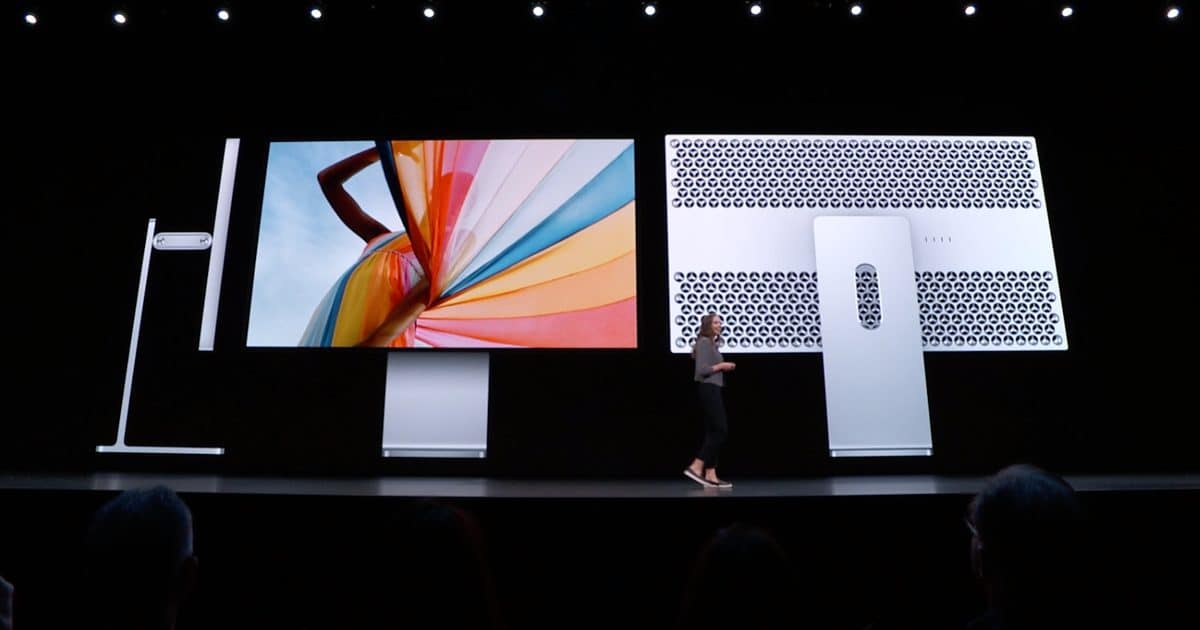
There were many standout moments during the WWDC 2019 keynote. Not least when Tim Cook unveiled a new Mac Pro. However, it was not just the machine that drew gasps. Apple asking nearly $1000 for the Pro Stand for the computer’s new monitor certainly attracted attention too. At Wired, Sophie Chara argued the Pro Stand’s price is indefensible.

We could try to mount a defence. An Apple Watch Series 4 costs $399 (we’re sticking with dollars, as there’s no UK price for the stand, display or Mac Pro yet)) and the new Pride Watch strap is $49: that’s 12 per cent. The new iPad Air is $499, the 2nd gen Apple Pencil is $129 and the Smart Keyboard is $159: that’s 25 per cent and 31 per cent respectively for the iPad accessories. Suddenly, $999 – or ten/twenty per cent – isn’t so outrageous. Only it very much is. Apple itself is known for commanding high prices, but even compared to its own kit, the Pro Stand seems to have created a class of its own in terms of the Cupertino excellence mark-up.

Maine is Close to Stopping ISP Pay For Privacy Schemes

The Act to Protect the Privacy of Online Customer Information has been approved by Maine’s state House of Representatives and Senate. Now it only needs the governor’s signature. It would put a stop to ISP pay-for-privacy schemes by limited access to data.

If signed, the bill would provide some of the strongest data privacy protections in the United States, putting a latch on emails, online chats, browser history, IP addresses, and geolocation data collected and stored by ISPs like Verizon, Comcast, and Spectrum. The bill goes further: Unlike a data privacy proposal in the US and a new data privacy law in California, the Maine bill explicitly shuts down any pay-for-privacy schemes.

The Clever Cryptography Behind iOS 13 ‘Find My’

iOS 13 ‘Find My’ combines Find My Friends and Find My iPhone. Apple says it uses Bluetooth signals from Apple devices even if they’re offline. And the encryption scheme it uses means that third party attackers can’t track Apple devices, and Apple can’t track them either.

In a background phone call with WIRED following that keynote, Apple broke down that privacy element, explaining how its «encrypted and anonymous» system avoids leaking your location data willy nilly, even as your devices broadcast a Bluetooth signal explicitly designed to let you track your device. The solution to that paradox, it turns out, is a trick that requires you to own at least two Apple devices. Each one emits a constantly changing key that nearby Apple devices use to encrypt and upload your geolocation data, such that only the other Apple device you own possesses the key to decrypt those locations.