Unicorn Born in China every 3.8 Days in 2018

97 tech unicorns, companies valued at over $1 billion, were formed in China in 2018. That’s the equivalent of one launching in the country every 3.8 days.. However, Bloomberg News reported that this pace of creation actually slowed down during the fourth quarter of the year. Only 11 unicorns launched in those three months. Instead of startups, large tech firms reasserted their position. The Chinese economic slowdown also contributed to this.

China spawned 97 unicorns last year with a combined valuation of 1.2 trillion yuan ($178 billion) across sectors from consumer internet to online shopping and electric vehicles, according to a report published by consultancy Hurun. That’s about one unicorn born every 3.8 days. But of those, 11 were created in the December quarter, down from more than 30 in the previous three months.
What Mark Zuckerberg Really Meant in his Wall Street Journal Piece

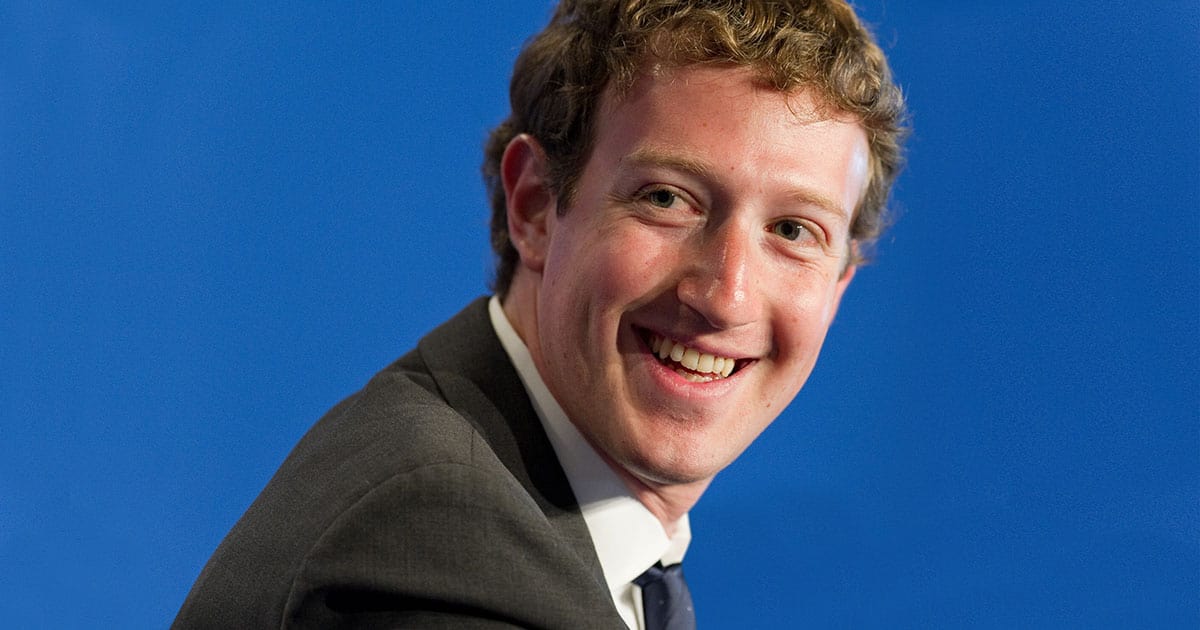
There has been a lot of reaction to *that* Mark Zuckerberg piece in the Wall Street Journal last week. The Facebook CEO and founder tried to allay users’ fears about how the service uses their data. TMO’s Andrew Orr described it as «tone deaf,» which seems pretty on the money to me. Kara Swisher used her New York Times column Friday to rewrite the column and explain to readers what Zuckerberg really mean. Not surprisingly, it is funny, cutting, and well worth a read.

The post was essentially the greatest hits that we have heard Mr. Zuckerberg sing for a while now. He focused on the enormous advertising system that powers Facebook, while ignoring almost entirely the news from the last disastrous year, including Russian abuse of the platform, sloppy management of data, recent revelations that the company throws some pretty sharp elbows when it needs to, and more. You kind of get why Mr. Zuckerberg would want to forget it all.

Here's Why iPhone Assembly Doesn't Happen Here

Apple relies on China for a huge part of its manufacturing needs. But why can’t the company bring it back to the United States? Custom screws.

The challenges in Texas illustrate problems that Apple would face if it tried to move a significant amount of manufacturing out of China. Apple has found that no country — and certainly not the United States — can match China’s combination of scale, skills, infrastructure and cost.

Manufacturing and cheap labor are the reasons why Apple and other companies go to China. The GOP can talk about bringing jobs like that back, but it’s not an easy problem to solve.

iPhone, Apple Watch: The New Tricorder

9to5Mac writes: «Apple has been granted a patent today which illustrates how future products such as iPhone, iPad or Apple Watch could have built-in sensors to detect harmful, poisonous gasses, such as CO…» [and others.] Now we’re getting into Star Trek’s Tricorder territory. I expect these kind of technical advances to continue. Early earthquake warnings?

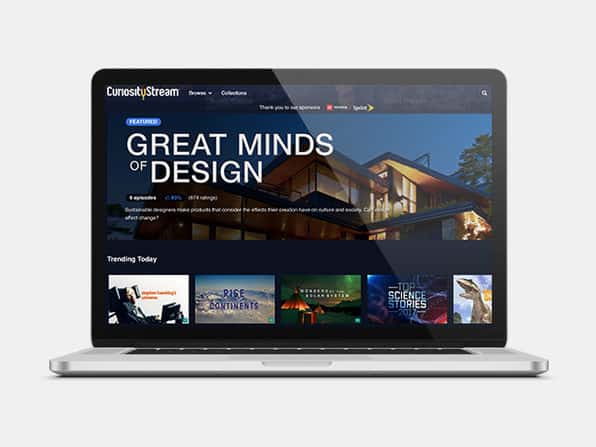
CuriosityStream 2-Year Subscription: $29.99

We have a deal on a 2-year subscription for CuriosityStream, the streaming and on-demand service with more than 2,000 documentaries and shows. It works in a browser, iOS, Apple TV 4 and above, Android, Amazon Fire TV, Roku, Xbox One, and more. It’s $29.99 through our deal.

Facebook Messenger, WhatsApp and Instagram to be Integrated

Facebook Chief Executive Mark Zucerkberg plans to integrate Facebook Messenger, WhatsApp and, Instagram. A detailed report in the New York Times said that the move could happen at the end of 2019 or 2020. Mr. Zuckerberg reportedly wants all the services to use end-to-end encryption. It would mean that a user with a Messenger account, could send an encrypted message to a user with just a WhatsApp account, for instance.

By stitching the apps’ infrastructure together, Mr. Zuckerberg wants to increase the utility of the social network, keeping its billions of users highly engaged inside its ecosystem. If people turn more regularly to Facebook-owned properties for texting, they may forgo rival messaging services, such as those from Apple and Google, said the people, who declined to be identified because the moves are confidential. If users interact more frequently with Facebook’s apps, the company may also be able to build up its advertising business or add new services to make money, they said.

#10YearChallenge: How iOS Apps Have Changed

Here’s a 10 year challenge I can get behind. Valia Havryliuk demonstrates how iOS apps have changed.

Just last year App Store celebrated its 10th birthday. In 2008 it launched with 552 apps and some of them are still live inside your iPhones. Time has passed and design trends have changed dramatically. #10yearchallenge is a good opportunity to see how fast the evolution is and notice changes in the oldest iOS apps.

iOS 7 was definitely the biggest visual overhaul to iOS. iOS 11 introduced UI changes but it was more along the lines of refinement.

Your Online Profile Consists of Three Layers

Katarzyna Szymielewicz offers a good approach to how you think about your online profile: What you share, what your behavior tells them, and what the machine thinks of you.

Many decisions that affect your life are now dictated by the interpretation of your data profile rather than personal interactions. And it’s not just about advertising banners influencing the brand of the soap you buy—the same mechanics of profiling users and targeting messages apply to political campaigns and visa applications as much as supermarket metrics. When advertising looks like news and news look like entertainment, all types of content are profiled on the basis of your data.

This is a great article, and the most important layer to think about is the data you put online.

Apple Outspent by Rivals in Record Year of Tech Lobbying

Tech firms spent a record amount lobbying the U.S. Government in 2018. Re/Code reported that Apple spent $6.6 million, slightly down from $7.2 million the year before. Although significant, Apple’s outlay was lower than that of the other major tech firms. For example, Google spent $21 million, while Amazon spent $14.2 million, and Facebook spent $12.6 million. Microsoft too outspent Apple, spending $9.5 million. In total, the firms invested $48 million in lobbying in 2018, up 13% from the year before.

Lobbying growth among the tech giants — especially companies that leverage user data for advertising revenue — comes as they are falling under increased government scrutiny. Facebook in particular faces a record Federal Trade Commission fine over apparent violations of data privacy practices in the Cambridge Analytica scandal that was revealed last year.