
Dave Hamilton and John F Braun join host Kelly Guimont to wrap up coverage of CES 2019 including the show floor and new uses for AR/VR.
2019 iPhone Could Still Have Liquid Retina LCD Display
One of the 2019 iPhone models could stick with the Liquid Retina LCD display, although in 2020 a rumor suggests Apple may drop the LCD model.
The plan to stick with LCD comes as Apple grapples with sluggish sales of the iPhone XR, which has cut into its most recent revenue projection. That is partly because the planned LCD handset has been in the product pipeline for months and the plan can’t be altered easily, they said.
Charlotte Henry also wrote that one or more of the new phones may come with three cameras.
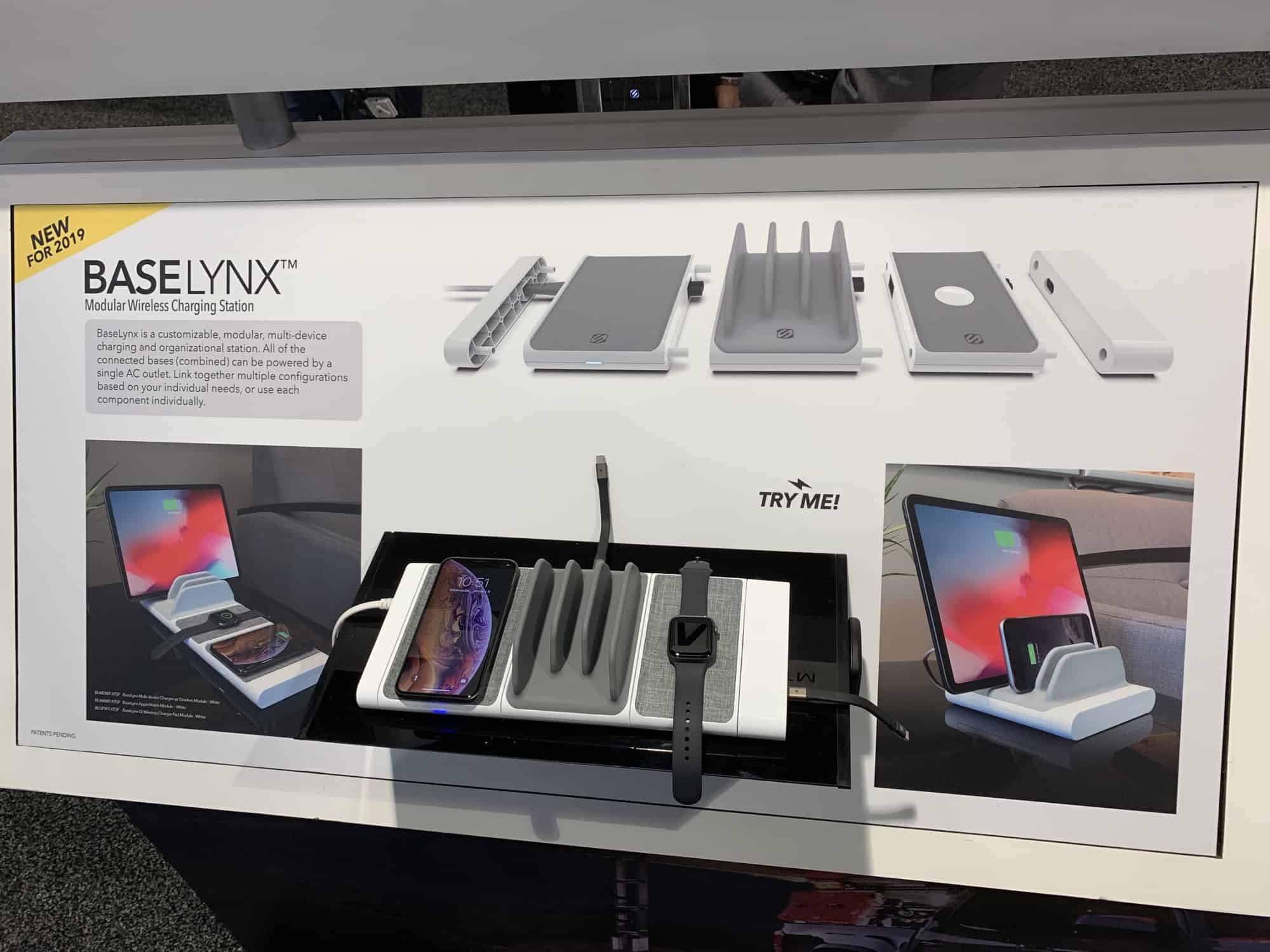
CES - Scosche BaseLynx Modular Wireless Charging Station Organizes and Charges Your Devices
Scosche’s CES booth was again full of great new devices for managing your devices in both your home and car, and the highlight to us was their new BaseLynx modular wireless charging station. Available modules include a Qi fast-charge dock, an Apple Watch dock, powered end-cap, and a vertical power station which holds three wired devices. The end-cap has a 12V USB-A and 18W USB-C PD outlet, and the power station has that plus a second USB-A port. You can mix-and-match modules to serve your needs – including just using one if you like – and BaseLynx is engineered to prevent over- or under-voltage, surging, and overheating. Pricing has not yet been announced, and BaseLynx is due to be available this coming spring.
Here's an Apple Infographic of Product Made So Far
The folks at TitleMax shared a cool Apple infographic that lists every (or most) Apple product made so far.
We’ve created this innovative look back at all Apple products to list off each incredible marvel by year, from super-successful, like the company-saving iPod, to the duds like the Apple Bandai Pippin. In our Apple timeline, you can see how much the company changed and how a few pivotal moments have revolutionized the entire technological world.
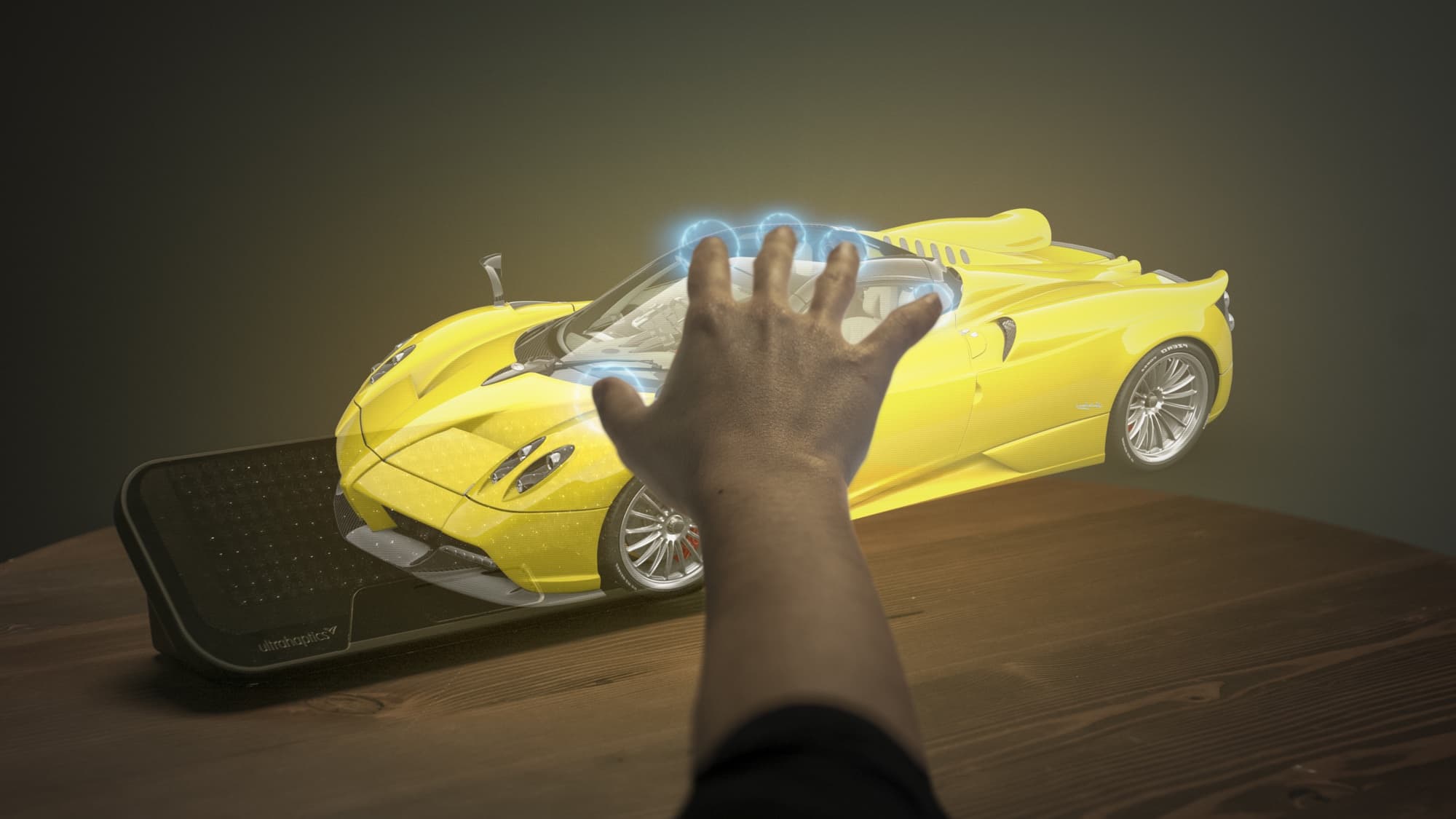
CES - Ultrahaptics Uses Ultrasound for Touchless Gesture Control, Haptic Feedback, and 3D Viewing
One of the coolest things I found at CES this year was Ultrahaptics technology, allowing for gesture control and haptic feedback using only ultrasound. Touching nothing, I was able to control and manipulate an on-screen «object», and even feel it all through the magic of ultrasound waves. They also had a demo using their tech that tracks your face and eyes to project and focus a 3D image without the need for any glasses. I talked a bit about it on the show floor:
Your Privacy Can't be Left up to Others
Doc Searls argues that if your privacy is in the hands of others alone, you don’t have any privacy.
If you think regulations are going to protect your privacy, you’re wrong. In fact they can make things worse, especially if they start with the assumption that your privacy is provided only by other parties, most of whom are incentivized to violate it.
I think Mr. Searls makes some good points. I’m in favor of privacy regulations, but I also agree that individuals need to manage their privacy better. Privacy should also be the default, and not a feature you have to pay for.
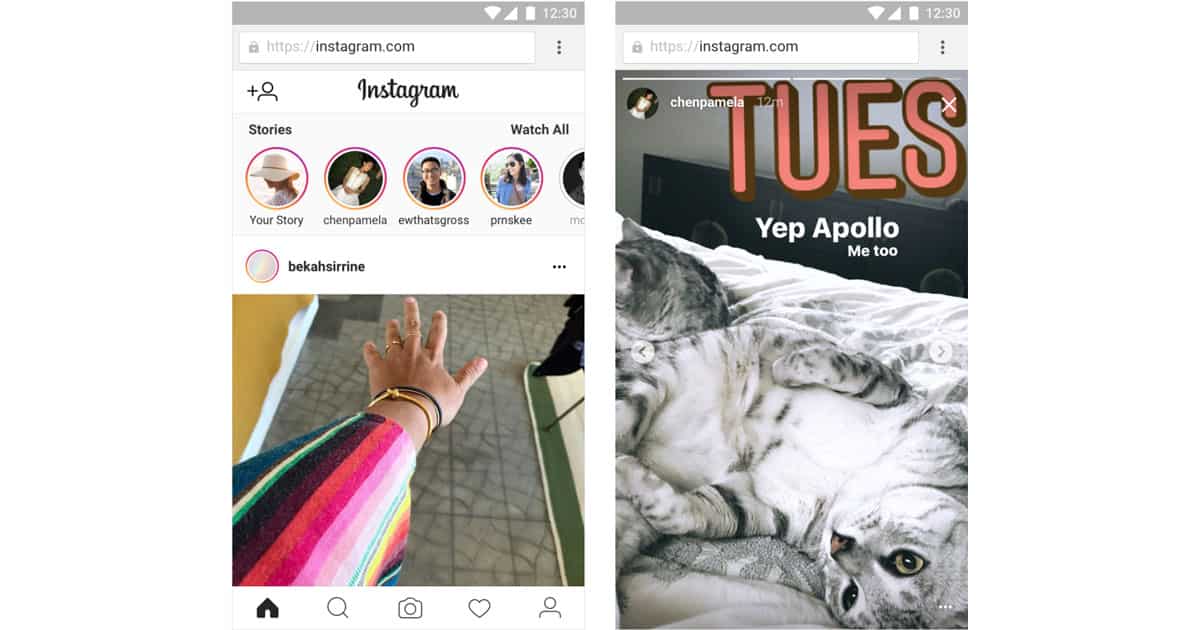
Amount Ad-Buyers Spend on Instagram Digital Video to Double
The share of ad-buyers’ digital video budgets that is spent on Instagram will double from 2018 to 2020. Bloomberg News reported on a new survey by financial services firm Cowen. It found that 61% of the respondents, who collectively represented approximately $14 billion in ad spend, consider the photo-sharing app the go-to platform for launching a campaign targetting 13 to 34 year-olds.
“Stories” — a relatively new Instagram feature — are helping to grow the app into a campaign favorite. Instagram Stories appear “poised for greater adoption” as more ad buyers allocated some portion of their spend to the feature in 2018 than the year prior, said Cowen’s John Blackledge in a note. Instagram even beat out TV in this younger target group, a medium only 3 percent of respondents said was a primary platform.
Twitter will Livestream NBA Games, but Just Focus on One Player
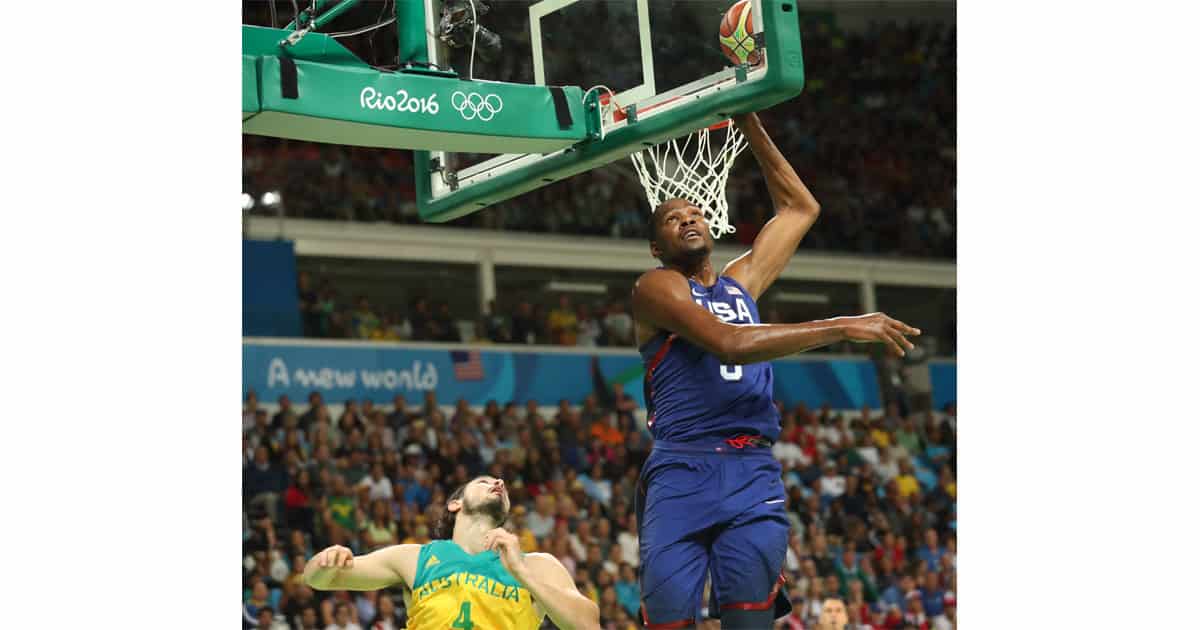
Twitter might just have found a great way to get into streaming major live sports. The social network struck a deal to livestream the second half of a number of NBA games, with its camera focussing on just one player, Re/Code reported. During the first half, users can vote for who they want that camera to focus on via the @NBAonTNT account. The deal covers 20 games, including at least one playoff game, beginning with the All-Star Game on February 18th.
The deal, which is clearly an experiment, reflects the quandary facing TV executives today: As more and more people stop paying for traditional TV, professional sports leagues and their broadcast partners are trying to figure out how to translate great TV content, like live sports, to places that aren’t television, like Twitter, Facebook, Amazon, and Google.
I watch a lot of sports. Often I have Twitter running at the same time and chat online about what’s happening in the game. I think Twitter might just have come up with a really good way to capitalize on the second screen phenomenon.
We do Not Know how to Talk About Online Privacy Violations
The debate over user privacy online is getting ever more intense. Barely a week goes by without some new horror being revealed. On Buzzfeed News, Charlie Warzel laid out just how dire the privacy situation has got and how bad the general public is at understanding the problem. Whether its celeb-twinning apps or Facebook, users simply do not know enough about how their data is being used nor how to discuss the issue.
Opaque algorithms and operations allow executives to dismiss the concerns of journalists and activists as unfounded or ignorant. They argue that critics are casting normal, industry-standard practices and terms of service agreements as malicious. What does it say about us or the culture built atop the modern internet that Byzantine terms of service agreements that few understand or even bother reading govern so much of our lives online?
T2 Chip Security, New Apple Scams – TMO Daily Observations 2019-01-10
John Martellaro and Andrew Orr join host Kelly Guimont to discuss the security behind the T2 chip and the latest wave of Apple scams.


