HTC Shows Eye-Tracking Tech in Vive VR Headsets

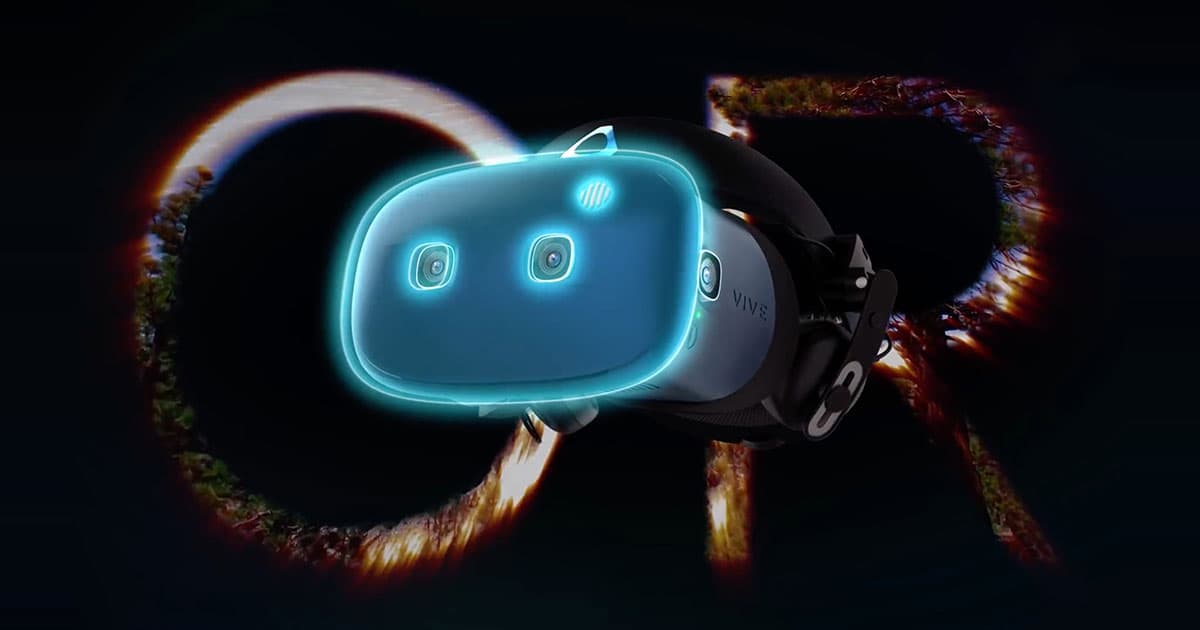
HTC showed off a new eye-tracking tech in its Vive VR headset line. Vive is aimed at the VR world, rather than the AR world being targeted by Apple, but AR and VR are kissing cousins, and this is interesting. The idea is simply that the headset can track your eye movements, which can then be used to activate menu and navigation controls. I think Apple is right to focus on AR, but there is obviously a big future in VR, too, and if HTC can bring this to market, it will make them a real player in that space. TheNextWeb has a good writeup from CES on this:

The biggest splashes came in the form of the new Cosmos hardware (an Oculus Go/Quest competitor) and a new eye-tracking system to be debuted in an update to the Vive Pro called “Vive Pro Eye.” Eye-tracking is a big deal for VR. The Vive Pro Eye, according to HTC, will accurately monitor users’ eye movements inside the headset.

Millions of Android Users Infected with Adware by Apps on Google Play Store

Adware disguised as games, TV apps, and remote control simulator apps infected millions of devices with adware. Security firm TrendMicro revealed in a blog that 85 apps containing the adware made it on to the Google Play store. The apps were subsequently downloaded 9 million times. The adware could display full-screen ads, hide itself, monitor a device’s screen unlocking functionality, and run in the background on the device. TrendMicro said Google removed the apps from the Play Store quickly after verifying its report.

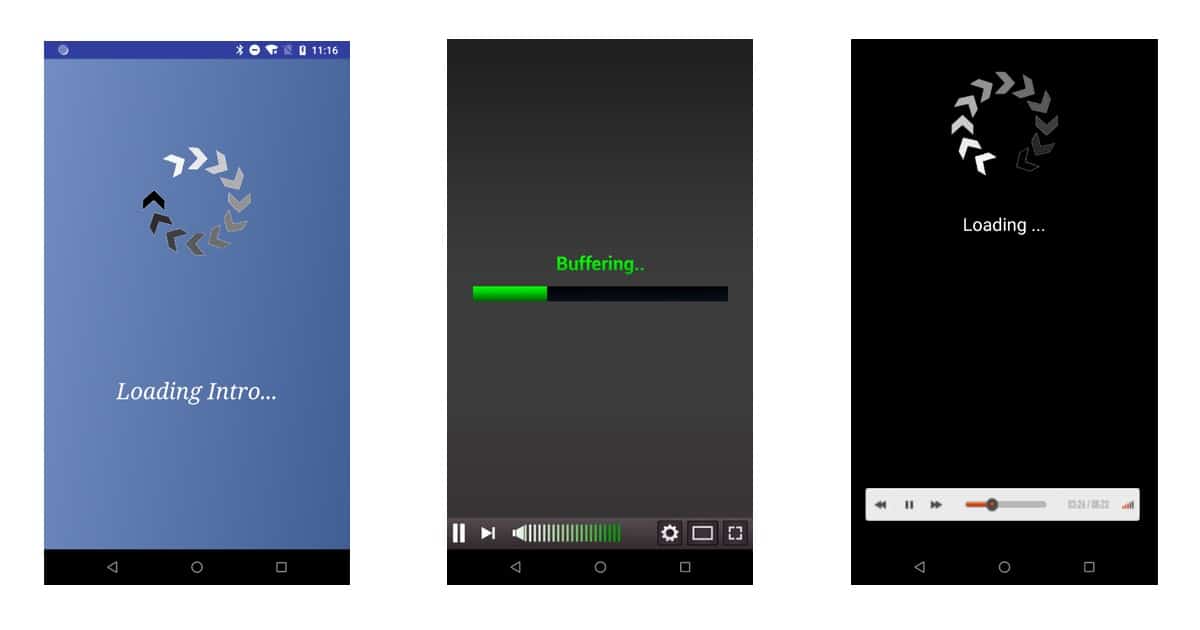
The app informs the user that it is loading or buffering. However, after a few seconds, the app disappears from the user’s screen and hides its icon on the device. The fake app still runs in a device’s background after hiding itself. Though hidden, the adware is configured to show a full-screen ad every 15 or 30 minutes on the user’s device.

The Story of How RSS Came to Be

Really Simple Syndication (RSS) is a way for websites and podcasts to offer a feed of updated content for people. It’s a fairly standard technology but many people don’t use it.

The story of how this happened is really two stories. The first is a story about a broad vision for the web’s future that never quite came to fruition. The second is a story about how a collaborative effort to improve a popular standard devolved into one of the most contentious forks in the history of open-source software development.

Long story short (Although you should still read the long story): RSS was too complicated for non-tech users, and the internet slowly became centralized into data silos like Google and Facebook.

Tech Press, Shaping the Narrative, and Silicon Valley Time

Tech press and the narratives they craft typically follow Silicon Valley Time, or a special «clock» otherwise known as the hero’s journey.

A company’s narrative moves like a clock: it starts at midnight, ticking off the hours. The tone and sentiment about how a business is doing move from positive (sunrise, midday) to negative (dusk, darkness). And often the story returns to midnight, rebirth and a new day.

This is an interesting story on how the tech press covers news, and what lessons companies can learn.

Long Press Shortcuts for iOS Safari

I’ve covered iOS 12 tips and tricks that you might have forgotten. Now I’d like to resurface a tip from 2017 about shortcuts for iOS Safari.

You might not know it, but Safari has some hidden shortcuts tucked behind some of the icons. This will let you perform certain actions a little faster, like quickly access the desktop version of a website, add a bookmark, and even close multiple tabs at once.

Providers Tout 5G Claims and Names Before the Network Exists

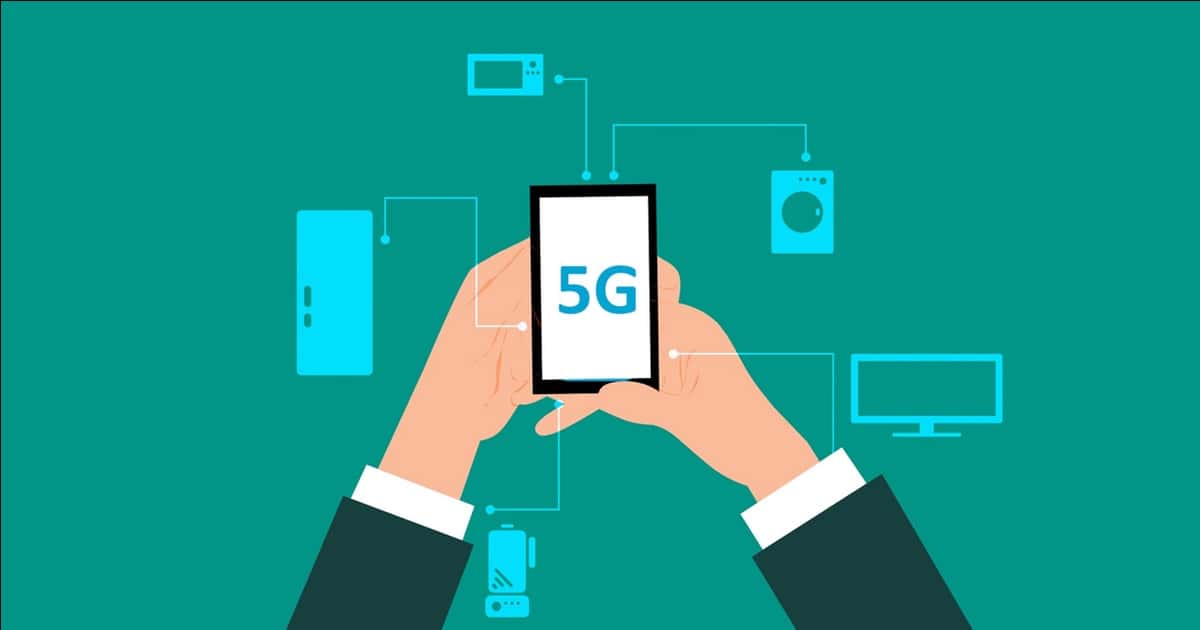
5G is the talk of Las Vegas at CES this week. However, there is mounting controversy about what cellular network providers are actually declaring as 5G. The superfast network will not actually be launched until 2020 or even 2021, but the cellular providers are still keen to brand things as 5G now. A piece on the Associated Press noted that «AT&T has drawn ridicule by relabeling the network used by some of its phones as ‘5G E’,» for example. This main seem a relatively superficial issue but in terms of been clear with customers, it matters.

There’s a history of carriers being murky about network claims. AT&T, T-Mobile and Sprint started calling an enhanced 3G network 4G in the early 2010s. There’s more pushback this time because people are now more aware of what a next-generation network can do.

Bounty Hunter Successfully Tracked Down a Phone

AT&T, Sprint, and T-Mobile sell access to customers’ location data. As an experiment, Joseph Cox paid a bounty hunter to locate a phone, and it worked.

The bounty hunter did this all without deploying a hacking tool or having any previous knowledge of the phone’s whereabouts. Instead, the tracking tool relies on real-time location data sold to bounty hunters that ultimately originated from the telcos themselves, including T-Mobile, AT&T, and Sprint, a Motherboard investigation has found. These surveillance capabilities are sometimes sold through word-of-mouth networks.

The technology apparently works on all mobile networks, but there was some issue with Verizon. Shady practices like this are why we need an American GDPR, as well as a better FCC.