

Apple’s next CEO is not coming from the AI world, and Apple clearly wants that message understood before John Ternus officially takes over from Tim Cook this September.
The company picked a 25-year hardware engineering veteran at a time when investors, analysts, and even customers keep asking one question: why does Apple still lag in AI compared to rivals pushing chatbots, assistants, and cloud-based AI platforms at full speed?
Instead of bringing in an AI celebrity or software executive, Apple handed the company to the person who helped build the iPhone, Mac, Apple Watch, AirPods, and now products like MacBook Neo. That decision says a lot about where Apple sees its biggest long-term challenge.
Don’t miss the best of The Mac Observer
Set us as a preferred source and our Apple reporting ranks higher in your Google Search results and Discover feed — one tap, no account changes.
Apple believes hardware still matters more.
Apple is betting on efficient hardware, not AI hype
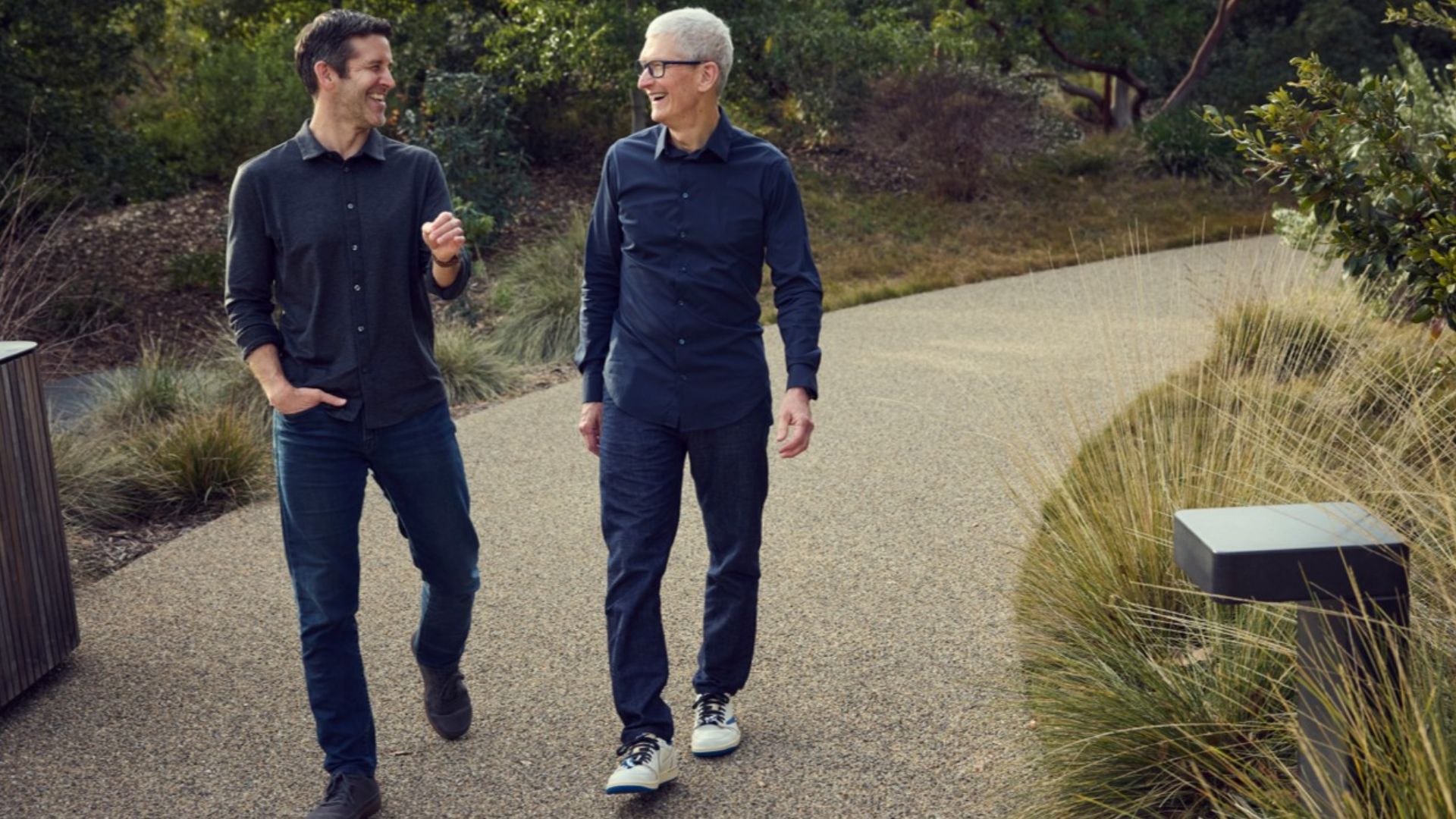
Ternus joined Apple in 2001 and spent years leading hardware engineering across nearly every major product category. Apple described him as someone with “the mind of an engineer” and “deep technical knowledge,” while also highlighting his work on durability, repairability, recycled materials, and power-efficient product design.
In Apple’s official announcement, Tim Cook said:
“John Ternus has the mind of an engineer, the soul of an innovator, and the heart to lead with integrity and with honor. He is a visionary whose contributions to Apple over 25 years are already too numerous to count.”
That quote matters because Apple’s next problem is not only building smarter AI features. The company also has to explain how those features fit into a future where AI systems consume enormous amounts of electricity.
The International Energy Agency expects global data center electricity consumption to nearly double by 2030, largely because of AI demand. Apple already pushes on-device AI harder than most rivals, and Ternus’ background strongly suggests the company plans to continue down that path.
Efficient chips, longer battery life, and lower power consumption now matter as much as flashy AI demos.
Apple’s environmental promises now face a tougher test
Apple says more than 30% of the material used across products shipped in 2025 came from recycled sources, while its greenhouse gas emissions remain over 60% below 2015 levels despite continued business growth.
The company also pointed directly to Ternus’ role in reducing product carbon footprints through recycled aluminum, 3D-printed titanium, and repairability improvements.
“Under his leadership, his team also drove advancements in AirPods to make them the world’s best in-ear headphones,” Apple said, while also crediting him for innovations that increased product lifespan and reduced environmental impact.
That makes Ternus different from a traditional Silicon Valley AI executive. Apple did not choose someone known for promises. It chose the executive responsible for the physical products millions of people use every day.
Now he has to prove Apple can keep growing, improve its AI position, and still make its environmental goals look credible instead of marketing slides.



Discussion