

The iPhone 17 Pro isn’t just another smartphone—it’s a portable powerhouse designed with creators in mind. While most users will enjoy its stunning display, powerful A19 Pro chip, and up to 2TB of storage, professionals in the film industry will find some game-changing features that make it a serious companion for production.
From advanced recording formats to pro-level editing workflows, the iPhone 17 Pro blurs the line between smartphone and cinema camera.
In the lines that follow, we’ve pinpointed each aspect of the newly launched phone that will come in aid for those wishing to launch their next movie masterpiece, right from their pockets.
Don’t miss the best of The Mac Observer
Set us as a preferred source and our Apple reporting ranks higher in your Google Search results and Discover feed — one tap, no account changes.
ProRes Recording, Now in 8K
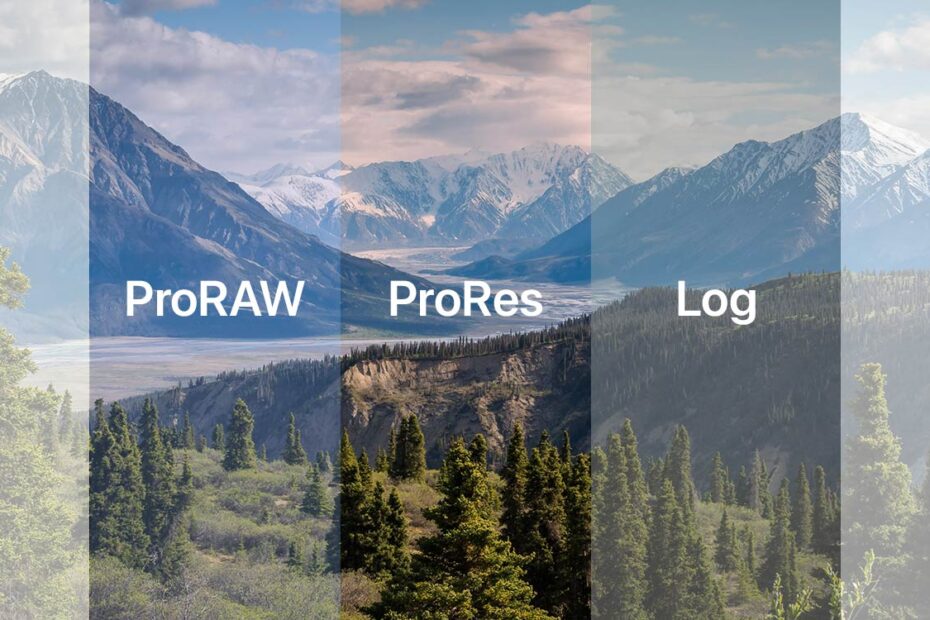
One of the most significant upgrades in the iPhone 17 Pro is its ability to record Apple ProRes at up to 8K resolution and 60 frames per second. For filmmakers, this isn’t just about bigger numbers—it’s about flexibility in post-production. An 8K frame allows editors to crop, zoom, and reframe shots without losing quality, which is especially useful for documentary shooters and indie filmmakers working with limited equipment.
ProRes also maintains far more color information than traditional smartphone codecs, making it easier to apply LUTs, color grades, or special effects in tools like Final Cut Pro or DaVinci Resolve. For directors who want to test framing on set or even shoot a short film without heavy gear, the iPhone 17 Pro now produces files robust enough for professional environments.
The 8K option doesn’t just future-proof footage—it makes the iPhone 17 Pro usable in hybrid workflows, where smartphone footage is intercut with footage from cinema cameras. The fact that this level of recording fits in a device weighing just over 200 grams is astonishing. For filmmakers, the iPhone 17 Pro is no longer a backup—it can serve as a legitimate A or B camera.
Expanded Storage and External Drive Support

Storage has always been a bottleneck for mobile filmmakers, especially when working with massive ProRes files. The iPhone 17 Pro addresses this with expanded base storage, more importantly, direct external SSD recording via USB-C 4.0. This single change dramatically shifts how professionals can use the device. Instead of worrying about running out of space during a shoot, creators can simply plug in a portable SSD and capture hours of footage at the highest quality settings.
For professionals, this reduces downtime on set and eliminates the need to constantly offload footage. The blazing-fast USB-C interface also means transfers are quicker than ever, moving entire ProRes projects to a workstation or iPad in minutes instead of hours.
It also allows filmmakers to separate personal phone storage from professional projects. Your internal iPhone storage remains free for apps and everyday use, while all project files live directly on the external drive—ready to plug into an editor’s workflow. This flexibility makes the iPhone 17 Pro more like a modular cinema camera system, where recording media can be swapped as needed. In essence, Apple has turned its flagship phone into a reliable, scalable tool for professional video production.
Cinematic Mode 2.0 with Manual Controls

Apple’s Cinematic Mode was first introduced as a way to mimic shallow depth-of-field shots, but on the iPhone 17 Pro, it has matured into a tool professional filmmakers can actually rely on. The new Cinematic Mode 2.0 includes manual controls for aperture adjustments, shutter speed, ISO, and, most importantly, manual focus pulling. For filmmakers, this means you can rack focus between subjects just as you would on a dedicated cinema lens.
The improved depth-mapping system uses LiDAR and advanced machine learning to more accurately separate foreground and background elements, minimizing the “blur halo” issues seen in earlier iPhone models. Combined with the iPhone’s ProMotion display, the focus transitions appear natural and cinematic, rather than artificial.
These upgrades make Cinematic Mode useful not just for casual shooting but for storyboarding, pre-visualization, or even final delivery in certain productions. Imagine scouting a location and instantly being able to capture test shots that replicate how your finished film might look. For indie creators or social filmmakers, it’s now possible to produce professional-looking sequences without expensive gear. By putting more control in the hands of the shooter, Apple has taken Cinematic Mode from a gimmick to a genuinely creative tool.
Enhanced Dynamic Range & Low-Light Performance

Filmmakers often work in unpredictable environments where lighting cannot always be perfectly controlled. The iPhone 17 Pro’s upgraded sensor array addresses this head-on with a 25% boost in dynamic range, meaning both bright skies and shadowed faces retain detail in the same frame. In practice, this reduces blown-out highlights and crushed blacks, two common challenges in smartphone filmmaking.
The new sensor also leverages quad-pixel binning, effectively combining multiple pixels into one to increase sensitivity in dim light. When paired with a wider aperture lens, this significantly improves low-light performance. Night scenes, cityscapes, or documentary work in dim interiors now retain clarity without excessive noise or reliance on digital smoothing.
For filmmakers, this means greater freedom to shoot in natural light and fewer compromises when the sun goes down. Combined with ProRes recording, the added dynamic range makes grading easier, as footage holds up better under heavy color correction. It also allows seamless integration with footage from larger cameras, since the iPhone’s files won’t fall apart as quickly under professional editing.
Whether capturing handheld guerrilla-style footage or carefully lit narrative scenes, the iPhone 17 Pro now offers an image quality ceiling that feels more in line with dedicated prosumer cameras.
Integrated Filmmaker Workflow

The iPhone 17 Pro isn’t just about capture—it’s about fitting seamlessly into a professional workflow. With Final Cut Pro and DaVinci Resolve now available on iPadOS, Apple has created an end-to-end pipeline for filmmakers. You can capture in ProRes on the iPhone, offload to an external SSD, plug that into an iPad, and begin rough cuts on location—long before you return to the editing studio.
This workflow minimizes downtime on set and allows directors, cinematographers, and editors to collaborate in real time. LUTs can be applied during capture to preview cinematic looks, then removed in post for full color grading flexibility. Metadata such as focus pulls, aperture settings, and exposure data also travel with the footage, making it easier for editors to match shots later.
By offering continuity across devices, Apple ensures that filmmakers don’t waste time with conversions or workarounds. Instead, the iPhone acts as a seamless part of the production chain, whether you’re delivering content for YouTube or preparing dailies for a Hollywood production. This integrated ecosystem is what sets Apple apart: the hardware, software, and accessories all speak the same language. For professional filmmakers, this level of workflow harmony is invaluable.
Satellite Production Tools
While not directly tied to the camera system, the iPhone 17 Pro’s satellite connectivity can be a lifesaver for production teams working in remote or off-grid environments. In the past, crews filming in deserts, mountains, or wilderness areas had to rely on expensive satellite phones or risk working without communication. With the iPhone 17 Pro, emergency satellite connectivity is built right into the phone.
Conclusion
The iPhone 17 Pro is not just a smartphone upgrade—it’s a filmmaking tool that bridges consumer technology with professional cinema needs. With 8K ProRes recording, SSD support, Cinematic Mode 2.0, improved dynamic range, integrated workflows, and even satellite safety tools, Apple has created a device that can slot into real productions.



Discussion