
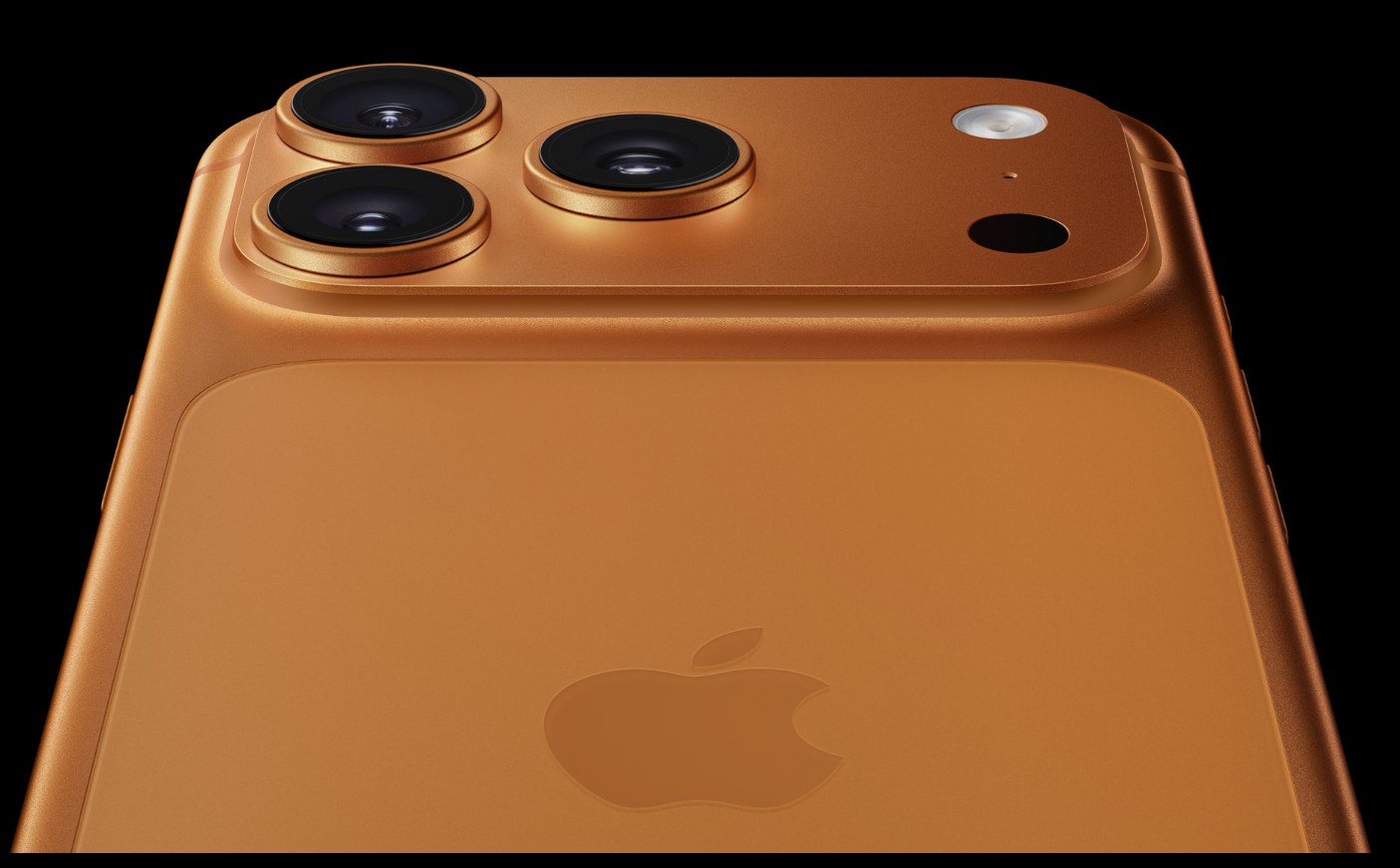
A viral graphic claims the iPhone 17 Pro and Pro Max get larger batteries in eSIM-only markets than the versions with a physical SIM tray. That’s real in principle, though the shared numbers are approximate.
On the 17 Pro line, Apple uses the space freed up by removing the SIM tray to fit a slightly larger battery in eSIM-only units. The gain is around 5–7% capacity, which can translate into a modest bump in runtime. Earlier iPhones (14–16) didn’t get bigger batteries in the U.S.; this appears to be new with the 17 Pro generation.
What actually changed
Two hardware variants exist for 17 Pro and 17 Pro Max:
Don’t miss the best of The Mac Observer
Set us as a preferred source and our Apple reporting ranks higher in your Google Search results and Discover feed — one tap, no account changes.
- eSIM-only version: no SIM slot on the frame; the internal volume where the tray and reader would sit is reclaimed for battery.
- Physical-SIM version: includes the nano-SIM tray/reader assembly, which takes up valuable interior space that otherwise could be battery.
How big is the bump (best current figures)
These are rounded capacities reported by teardowns/regulatory docs. Apple itself lists only “battery life,” not mAh.
| Model | eSIM-only battery | Physical-SIM battery | Difference |
|---|---|---|---|
| iPhone 17 Pro | ~4252 mAh | ~3988 mAh | +264 mAh (+6.6%) |
| iPhone 17 Pro Max | ~5088 mAh | ~4823 mAh | +265 mAh (+5.5%) |
| Note: You may see “5098 mAh” for Pro Max in memes; the better-supported figure is ~5088 mAh. Treat all values as approximations. |
Will you notice the difference
A 5–7% capacity increase won’t double your day, but it can add meaningful headroom:
- Heavier tasks (maps, camera, 5G hotspots) see smaller gains.
- Light/idle use (standby, texts, music) tends to scale closer to the raw capacity bump.
- Apple’s own endurance pages by region reflect the advantage as improved video-playback and audio-playback times for eSIM-only units.
Where each version is sold
- eSIM-only models are sold in markets where Apple has moved fully to eSIM (for example, the U.S. and a handful of others).
- Physical-SIM models continue in regions where carriers still expect a tray.
- Travelers can still run dual lines: eSIM-only phones support multiple eSIMs; tray models support one physical SIM plus eSIM.
How to tell which one you have
- Look at the left edge of the phone: no cutout means eSIM-only; a small rectangular slot confirms the tray version.
- In Settings > Cellular, an eSIM-only model will list eSIMs with no mention of a physical SIM.
Does this apply to non-Pro 17 models
The capacity split is associated with the 17 Pro and 17 Pro Max. There’s no strong evidence that earlier lines (14, 15, 16) or non-Pro 17 phones had regional battery-size differences; those U.S. models simply filled the empty SIM-tray cavity with structural material.
Why Apple didn’t do this earlier
Design trade-offs. On 14–16, Apple kept internal layouts common across regions to simplify manufacturing and repairs. With 17 Pro, Apple appears to have re-optimized the internal stack to convert the SIM-tray volume into battery for eSIM-only markets.
Caveats to keep in mind
- mAh figures come from filings/teardowns and can vary a little by sample and tolerance.
- Battery life is more than mAh: display power, modem efficiency, ambient temperature, and software all matter.
- Expect meaningful but not dramatic real-world gains—think “extra buffer to get through the evening,” not a second day for heavy users.
Bottom line
The meme’s idea is right: eSIM-only iPhone 17 Pro models do have larger batteries than their tray-equipped counterparts. Just remember the exact mAh numbers are estimates, and the real improvement you feel will depend on how you use your phone.



Discussion