

Apple and Google still host dozens of nudify apps that use AI to strip clothes from photos of people. These apps can turn normal images into sexualized deepfakes, often without consent. As a result, both app stores now face sharp questions about how they enforce their own rules.
CNBC reported that the Tech Transparency Project found 55 nudify apps on Google Play and 47 on the Apple App Store during a January review. After the group and CNBC contacted Apple, the company said it removed 28 apps and warned other developers. Some apps later returned after developers submitted updated versions.
What the watchdog found
The Tech Transparency Project searched both stores using terms like “nudify” and “undress.” It then tested the apps with AI-generated photos of clothed women. The tests showed that many apps could remove clothing or place faces onto nude bodies.
Don’t miss the best of The Mac Observer
Set us as a preferred source and our Apple reporting ranks higher in your Google Search results and Discover feed — one tap, no account changes.
Katie Paul from TTP told CNBC these tools were not harmless. She said they were “definitely designed for non consensual sexualization of people.”
The apps fall into two main types.
- AI generators that create nude or sexualized images from a prompt
- Face swap apps that put a real person’s face on a nude body
Together, these apps have more than 700 million downloads and brought in $117 million in revenue, based on data from AppMagic. Apple and Google take a cut of that money.
These apps make it easy to create fake nude images of real people. That opens the door to abuse, blackmail, and online harassment.
CNBC earlier followed a group of women in Minnesota whose social media photos were used to create sexualized deepfakes. Over 80 women were affected. Since the images were not shared widely, no crime took place.
New AI tools now make this process fast and simple. Anyone can upload a photo and get a fake nude in seconds.
How Apple and Google responded
Apple said it removed many of the apps named in the report and warned others. Two removed apps later returned after developers fixed issues.
Google said it suspended several apps and is still reviewing the rest. It did not share how many it removed.
Both companies say they care about safety. Yet their own rules ban these tools.
Google blocks apps that “claim to undress people or see through clothing.”
Apple bans content that is “overtly sexual or pornographic.”
TTP said the stores still fail to keep up with how fast these AI apps spread.
Global and political pressure
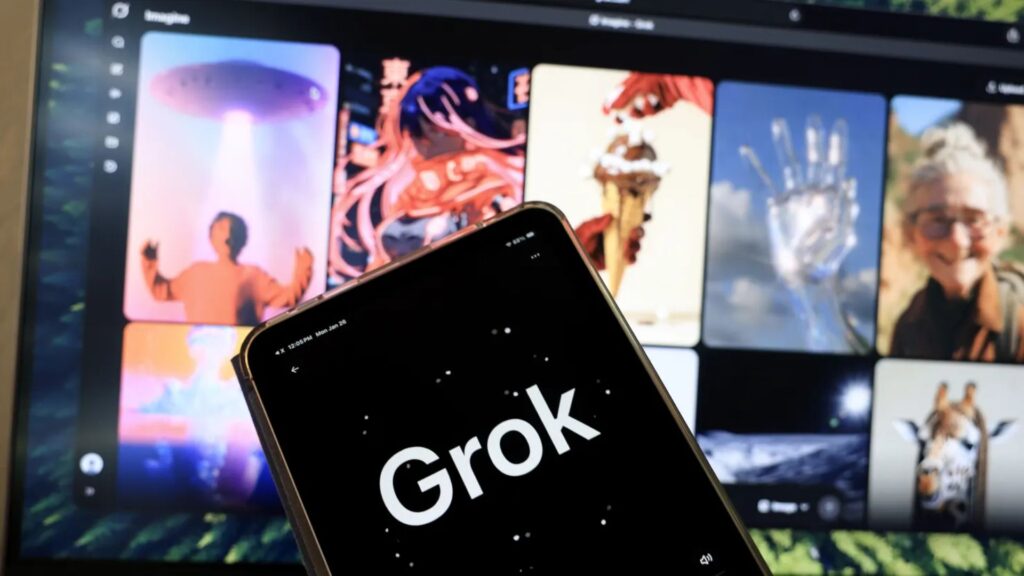
The issue gained more attention after Elon Musk’s Grok AI on X generated sexualized images of women and children. The European Commission and other regulators opened probes. Grok admitted “lapses in safeguards” and said it is fixing them.
In the United States, a group of state attorneys general and three Democratic senators asked Apple and Google to act. They warned that the mass creation of fake nude images breaks store rules and harms users.
China-based apps raise alarms
TTP said 14 of the nudify apps came from China. That adds a security risk.
Paul said China’s laws give the government access to data held by companies there. That means fake nude images made with those apps could land in government hands.
TTP says these apps show a larger failure in how Apple and Google police their stores. As Paul told CNBC, not following their own rules “raises a lot of questions about how they can present themselves as trusted app platforms.”
The pressure now sits on both companies to prove they can stop these tools before more people become victims.


Discussion