
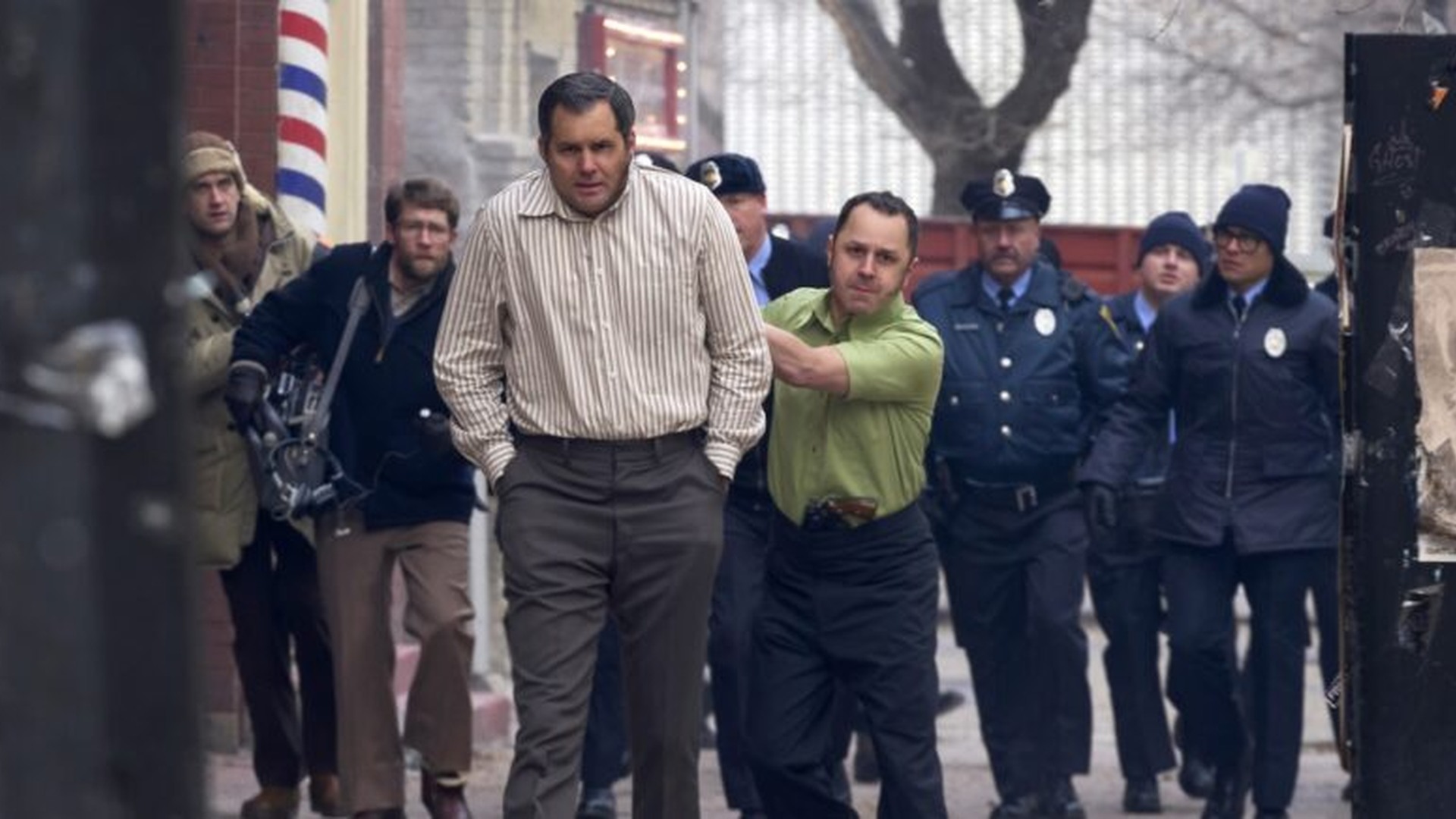
Spoiler warning: This article discusses the premise and early events of American Hostage.
Tony Kiritsis was a real Indianapolis man who abducted mortgage broker Dick Hall in 1977 and held him with a shotgun wired to his neck. Giovanni Ribisi’s performance in American Hostage is built around that documented act and Tony’s demand that the public hear why he blamed the Hall family.
The series presents him as volatile, calculating and desperate to control the story told about him. He does not regard the kidnapping as a private crime. He designs it as a public accusation, with Fred Heckman’s radio station providing the audience he believes conventional channels denied him.
Don’t miss the best of The Mac Observer
Set us as a preferred source and our Apple reporting ranks higher in your Google Search results and Discover feed — one tap, no account changes.
- Character: Tony Kiritsis
- Played by: Giovanni Ribisi
- Based on: A real 1977 hostage-taker
- Location: Indianapolis, Indiana
- Streaming on: MGM+ in the US
A failed land deal becomes Tony’s grievance
Tony’s grievance centers on a planned 17-acre development and a foreclosure dispute. He believes the Hall family’s financial power destroyed the project and trapped him. The early episodes let viewers understand that belief without treating it as proof that every accusation is true.
That separation is essential. Feeling cheated may explain Tony’s anger, but it cannot justify taking Dick or placing a weapon beside his head. The drama is strongest when it keeps grievance and responsibility visible at the same time.
The wire gives him terrifying control
The dead man’s wire is the defining device. Tony links the shotgun’s trigger to his own body so a loss of pressure could fire it. That design makes him difficult to overpower and turns fatigue, panic or a simple stumble into a possible fatal event.
Ribisi uses quick shifts in tone to show why people around Tony cannot settle into one response. He can sound wounded, persuasive or furious within the same call. Fred must listen for those changes because the wrong reaction may close the only communication line.
The series refuses a simple folk-hero reading
Public fascination complicated the real case. Tony could appear to some listeners as a powerless man confronting an institution, yet Dick remained an innocent person under direct threat. The series should be read with that imbalance in mind whenever Tony delivers a compelling speech.
Dramatization inevitably shapes private conversations and chronology. The broad facts, including the wired weapon, live media contact and prolonged standoff, come from the real event; the presentation of Tony’s inner life is an interpretation.
That makes Tony a difficult central figure rather than an uncomplicated antihero. The question is not only whether his complaint had merit, but why he chose terror as the method for making it public. The distinction should remain visible throughout the season. How should the series balance explanation with accountability? Comment below.




Discussion