

Apple’s upcoming touchscreen MacBook Pro reportedly faced resistance within the company, even as former CEO Tim Cook and current CEO John Ternus agreed that customers increasingly expected touch support on Macs. Apple’s industrial design team opposed the idea, leading to a compromise that would preserve the traditional Mac experience while adding touch as an optional input method.
According to Bloomberg’s Mark Gurman, Apple accelerated development of the touchscreen MacBook Pro roughly four years ago, despite years of public opposition to touchscreen laptops from its executives. The company is now expected to introduce the redesigned models on October 28.
Apple Designers Opposed Touchscreen Macs
Apple has maintained a clear distinction between the Mac and iPad for years, arguing that keyboards and trackpads work better for desktop computing, while touchscreens suit tablets.
Don’t miss the best of The Mac Observer
Set us as a preferred source and our Apple reporting ranks higher in your Google Search results and Discover feed — one tap, no account changes.
Steve Jobs famously criticized vertical touchscreen computers in 2010, describing their ergonomics as uncomfortable. Tim Cook later questioned the idea of combining a laptop and tablet into one device.
However, Cook and Ternus reportedly believed customer expectations had changed as Windows laptop manufacturers continued offering touchscreen models.
Apple’s industrial design team remained unconvinced, particularly because adding touch could affect how people interact with macOS and the physical design of the laptop.
The company eventually agreed on a compromise:
- Touchscreen support: Users can scroll, swipe, pinch, and zoom directly on the display.
- Traditional controls: The keyboard and trackpad remain the primary input methods.
- Adaptive interface: macOS adjusts certain controls depending on whether users interact through touch or the trackpad.
- Separate product identities: Apple will continue developing Macs and iPads for different computing needs.
macOS Golden Gate Will Adapt to Touch Input
Apple is reportedly updating macOS Golden Gate to support touchscreen interactions without changing the familiar desktop interface.
The operating system will consider previous interactions when displaying controls, while touching certain buttons can bring up menus positioned around the user’s finger. Apple is also optimizing the Dock and Menu Bar for touch.
As we previously covered, Apple has been testing its OLED touchscreen MacBook Pro with macOS 27.2, suggesting that hardware and software development are progressing together.
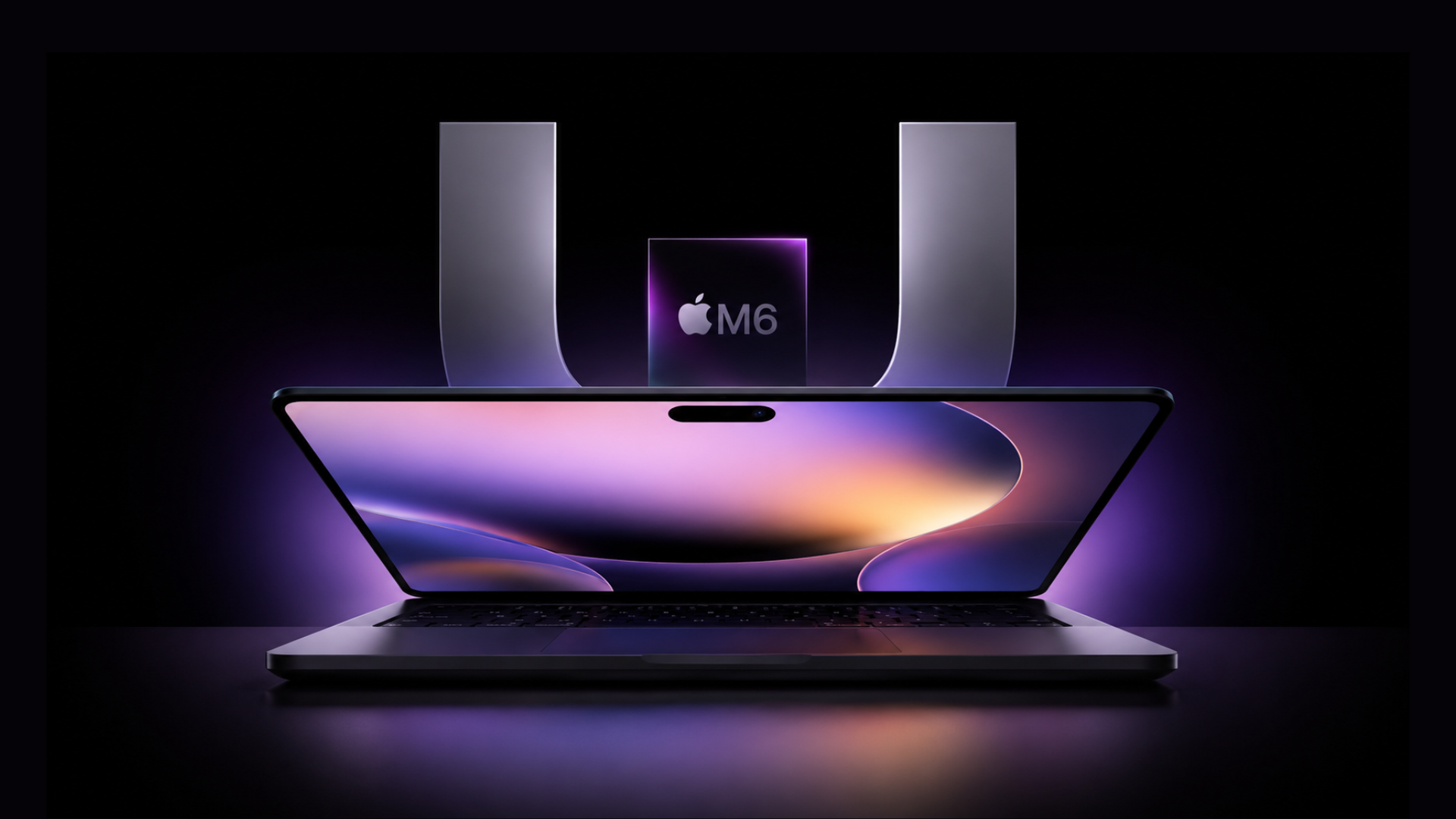
The upcoming MacBook Pro is expected to include several hardware upgrades.
| Feature | Expected upgrade |
|---|---|
| Display | OLED touchscreen |
| Sizes | 14-inch and 16-inch |
| Design | Lighter chassis |
| Camera area | Dynamic Island |
| Input methods | Touch, keyboard, and trackpad |
| Pricing | Higher than current premium models |
Apple Prepares Its Biggest MacBook Pro Change in Years
The touchscreen MacBook Pro will also mark a significant shift in Apple’s approach to product design under Ternus.
As we previously reported, Apple’s industrial and software design teams now report directly to Ternus, giving him greater involvement in hardware and interface decisions.
Apple has scheduled its October 28 event, where it is expected to introduce the new premium MacBook Pro models.
The company has yet to confirm the touchscreen features or final pricing, although the reported compromise suggests Apple intends to give Mac users another way to interact with their computers while keeping the existing keyboard-and-trackpad experience intact.



Discussion