
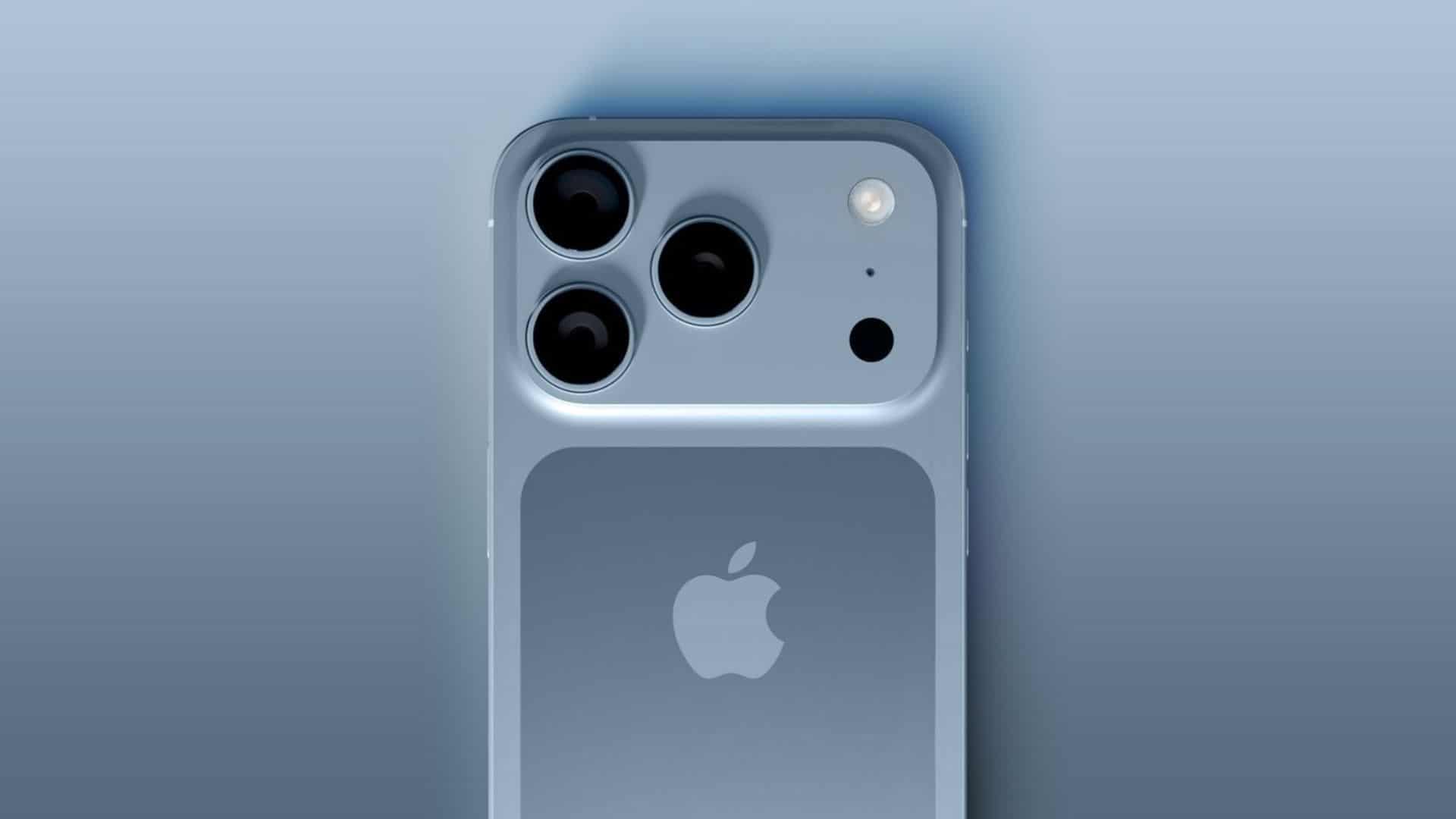
Apple’s flash storage suppliers are gaining the upper hand after years of aggressive negotiations, as growing demand from AI data centers pushes memory prices to record levels. A new Wall Street Journal report reveals that companies once pressured into offering Apple steep discounts can now charge considerably more, putting pressure on the iPhone maker’s hardware business.
For years, Apple was the world’s largest buyer of NAND flash memory, which stores photos, apps, and other data on iPhones, iPads, and Macs. That purchasing power allowed the company to negotiate favorable contracts with suppliers, including Japan’s Kioxia.
However, the rapid expansion of AI infrastructure has changed the situation, with major technology companies competing for the same storage components.
Don’t miss the best of The Mac Observer
Set us as a preferred source and our Apple reporting ranks higher in your Google Search results and Discover feed — one tap, no account changes.
How Apple’s Suppliers Regained Their Bargaining Power
According to the report, Apple’s former procurement executive Tony Blevins used aggressive negotiating tactics to secure lower component prices. Suppliers were sometimes left holding unsold inventory when Apple refused deliveries during periods of falling prices.
Apple also reportedly demanded access to suppliers’ financial records to ensure competing customers were not receiving better deals.
Now, AI companies are purchasing significantly more flash memory than Apple. TechInsights estimates that hyperscalers collectively buy twice Apple’s share, reversing the company’s earlier dominance.
The financial consequences are substantial:
- Flash memory prices: Increased roughly fivefold over the past year.
- Apple’s estimated flash spending: Expected to reach $25 billion in 2026, compared with $6 billion in 2025.
- Storage upgrade profits: Estimated gross profit on a $200 iPhone storage upgrade has fallen from $185 to $134.
Higher Storage Costs Are Affecting Apple Customers
Apple has already raised prices across several product categories, citing the unprecedented increase in memory costs.
Former CEO Tim Cook previously described the situation as a “100-year flood” in memory pricing.
Meanwhile, Apple acknowledged its longstanding supplier relationships in a statement to The Wall Street Journal:
We’ve worked with many of our suppliers for decades, and we deeply value their partnership over the years. We look forward to continuing our important work together.
The pressure could continue for several years, with SK Hynix forecasting memory supply shortages through 2030. Apple has also explored alternative memory suppliers as it looks for ways to control component costs and protect its profit margins.



Discussion