The Reality of Working in an Apple Store

There has been a lot of Apple Store news recently – from major new openings in Bangkok and Paris to makeovers at Covent Garden in London. On Tuesday, the Guardian published an interesting extract of an article that appeared in Logic, a new tech magazine. It puts forward a more uncomfortable view of life in an Apple Store and the psychology behind the hugely successful retail outlets.  I don’t buy the author’s argument entirely, but it certainly got me thinking.

When we think of “tech,” we rarely think of retail stores, and when we think of “tech workers” we rarely think of the low-waged “geniuses” who staff them. Most media coverage of tech companies encourages us to forget that the vast majority of their employees are not, in fact, coders in Silicon Valley: they’re the suicidal assemblers of your phone, the call-center support staff, the delivery drivers and the smiling shop floor staff who make up the majority of Apple’s workforce.
Cash or Cloud - What Will Investors Back?

For years Apple led the race to be the world’s most valuable public company thanks to the huge profits it generated. However, powered by cloud computing, its competitors are now in hot pursuit. As Therese Poletti points out in her latest MarketWatch column, both Microsoft and Amazon have recently managed to take the lead, albeit briefly. Google-owner Alphabet is not far away either. The battle between «steady and solid cash and earnings» from Apple and potential growth from the cloud is then in full swing, but what will investors back?

Investors betting on Apple’s competitors for the top spot are not looking at results, however, as much as growth rates and tech trends. Namely, the growth of cloud computing, which is dominated by the other three companies at the top of the valuation list. The two companies closest to Apple’s spot are reporting huge growth in their cloud-computing businesses, where they offer cloud services for a huge range of customers, large and small. Staid old Microsoft, which has never been an official part of the much-vaunted FAANG grouping of tech stocks, surged into a zone of its own this year, propelled by hefty growth in the cloud.

We're Witnessing the Death of Tumblr in Real Time

We’re witnessing the death of Tumblr in real time. Recently the company announced it would ban all porn starting December 17 using special algorithms that flag content. But they’ve been flagging everything except porn.

On a purely conceptual level, this was already bad news for many Tumblr users. An NSFW content ban will hurt the livelihoods of artists and sex workers on the site, and potentially lead to a mass exodus of bloggers who want to retain their creative freedom. However, it looks like the problems go even further because Tumblr’s content flagging algorithm is hopelessly incompetent.

I’ve never been much of a Tumblr user myself, but I still knew the platform was like 90% porn. Tumblr will end up losing up to half of its user base. *shocked Pikachu face*

Apple Employee Joins ACLU to Fight Government Back Doors

Security expert Jon Callas formerly led a team of hackers to break into Apple products before they were released to test their security. Now he has joined the ACLU to fight against government back doors.

Wizner said he expects Callas to help the group resist governments demanding access to company platforms for surveillance of users and to weigh in on issues including fairness and transparency in artificial intelligence.

Hopefully Jon can help the ACLU fight things like Australia’s recent anti-encryption bill.

Find Out If Your Data Was Leaked With This Data Breach Tool

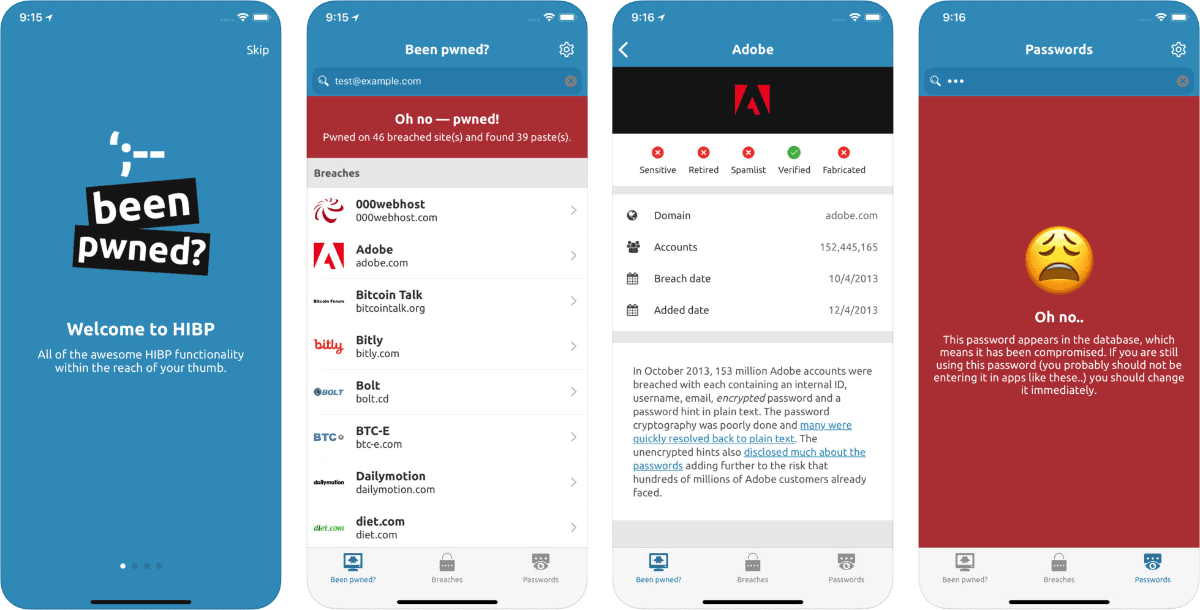
A data breach tool called have i been pwned? is an app and website that helps you find out if your information was included in data breaches. It’s easy to use, just enter your email address. Have I been pwned? allows you to search across multiple data breaches to see if your personal data was compromised by any of the big hacks on record.  The app includes no  or automatic collecting of private data, searching among published databases and so-called pastes, getting real-time updated by receiving push notifications when new breaches happen, and information behind certain hacks, provided with relevant links to more information. The app has also been provided as open source software, found at GitHub. App Store: Free

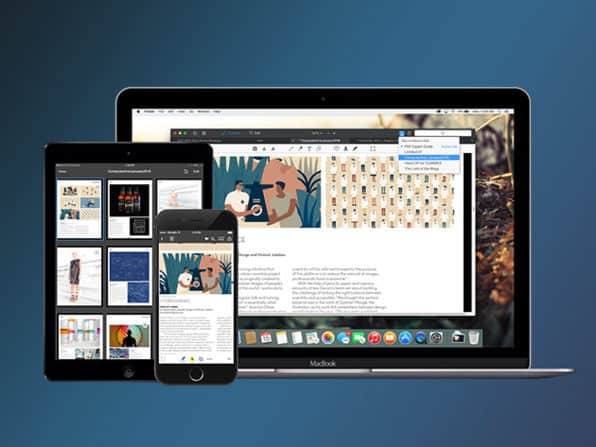
PDF Expert for Mac: $19.99

We have a deal on PDF Expert for Mac from Readdle.  This PDF editor has a nice list of distinctions, including being The 2015 App of the Year in the Mac App Store, Top Paid App in the Mac App Store, Editors’ Choice by Apple, and 4.6 out of 5 stars from 1,1000 ratings on the Mac App Store. The deal is for PDF Expert 2.4.2, the version on Readdle’s website. It’s $19.99 through our deal, 75% off retail.

What Happens When a Nonprofit's Facebook gets Hacked?

Being hacked is a disaster for all organizations. For nonprofits, though, the consequences can be devastating. Facebook is one of the largest platforms for charitable donations. However, some organizations have claimed the firm does not provide sufficient resources to support them when things go wrong. Wired has investigated what happened to nonprofits when hackers took control of their Facebook pages and key information like donor data is exposed.

Facebook’s nonprofit efforts have also remained a public relations bright spot for the company while it’s been embroiled in one scandal after another since the 2016 US presidential election. And they play right into Mark Zuckerberg’s new mission for the company, to “bring the world closer together.” Last week, for example, Facebook announced that users contributed more than $125 million to nonprofits around the world during its annual Giving Tuesday event, over $80 million more than the year before. But some nonprofit leaders say Facebook’s decision to prioritize charitable giving hasn’t coincided with an appropriate increase in support for the organizations that use its products.