Women Who Code Helps Women Stay in Tech Fields

Women Who Code is an organization that boasts over 137,000 members. It supports women in tech and encourages them to stick with the field.

A recent study by the National Center for Women in Information Technology (NCWIT) revealed that women held 57% of all professional occupations, yet they held only 25% of all computing occupations. And the numbers are even lower when considering women of color; for example, Latinas and black women hold only 1% and 3% of these jobs, respectively.

Supporting women in tech is important, and The Mac Observer‘s Kelly Guimont does something similar with her volunteer work at App Camp for Girls.
NOMAD Intros Wireless Charging Base Station for iPhone and Apple Watch

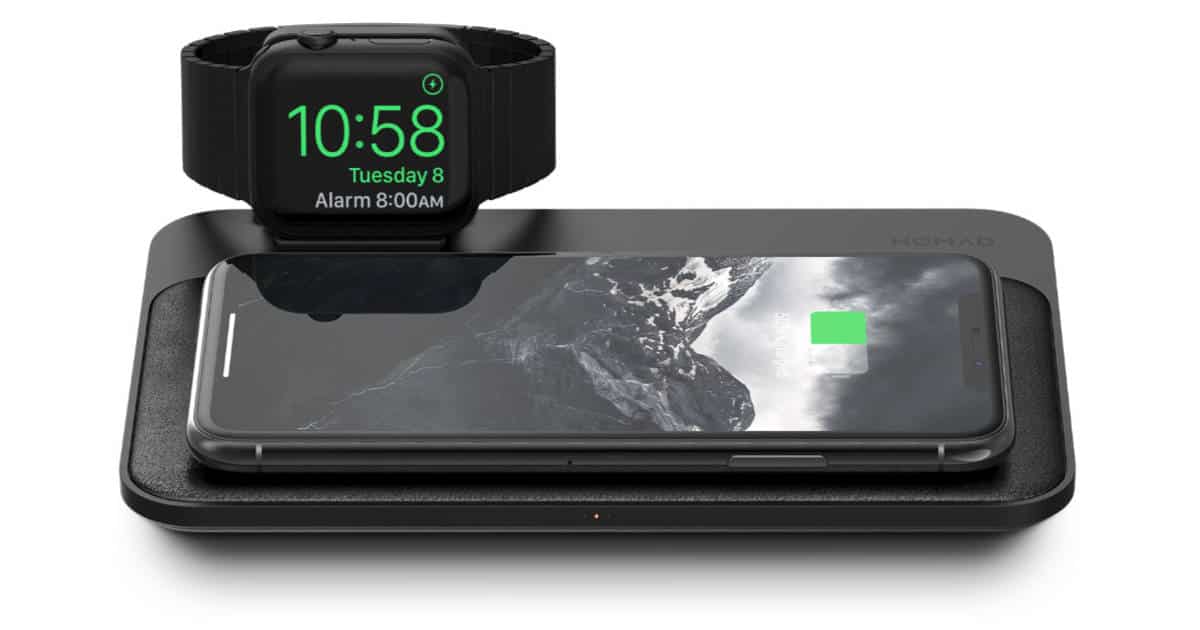
If you’re looking for an all-in-one wireless charging system for your iPhone and Apple Watch, check out the new NOMAD Base Station Apple Watch Edition. The new Base Station has a padded place for your iPhone and a built-in Apple Watch charger, no need to add your own. You can wirelessly charge your iPhone and Apple Watch at the same time, and your watch is propped up so you can use it as a clock on your nightstand. The Base Station Apple Watch Edition is available now for US$119.95, unlike Apple’s AirPower, which we may never see.

New App Mister Lister Lets You Make and Rate Lists

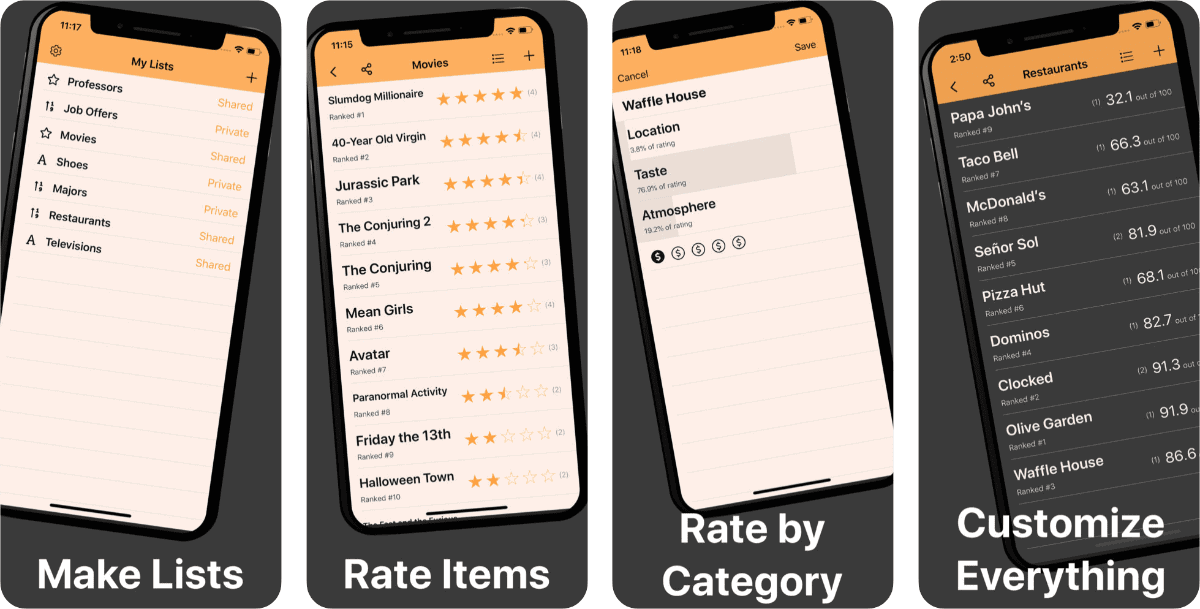
A cool new app called Mister Lister lets you make lists out of anything, and rate items. From restaurants to movies, if you can think of it, you can rate it. Need more detailed reviews than just an overall rating? Split up your ratings into weighted categories. Want a movie list but want to split by genre, tag your movies. Have some extra notes about that restaurant you ate at, write them down. This sounds like a cool app to me, sort of a personal Yelp. It sounds great for people with hobbies like keeping track of your favorite wine, beer, coffee, books, etc. You can then share your lists with friends to rate things together. App Store: Mister Lister: Free

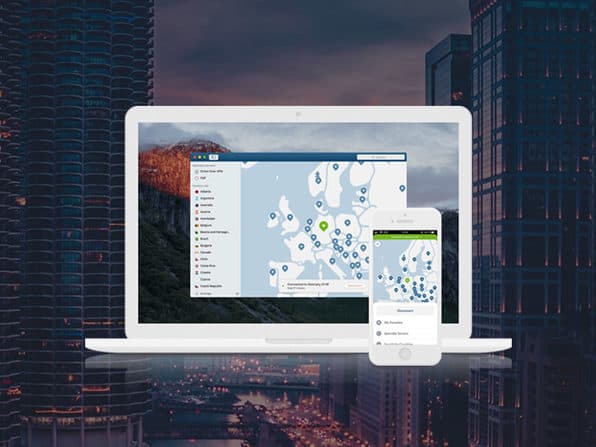
NordVPN 1-Year Subscription: $60

We have a deal on a 1-year subscription to NordVPN. All data sent through NordVPN’s private tunnels is double encrypted (double data SSL-based 2048-bit encryption). There are 3,521 servers in 61 countries, you can connect up to 6 devices, and you get unlimited data. The company has a no-log policy, too, and it will work with Mac, iOS, Windows, Linux, Chrome OS, and Android devices. One year of NordVPN is $60 through us, and there’s a 2-year option available in the deal listing, too.

AirPods and the Future of Audio AR

Daniel Dilger wrote an interesting article about AirPods and audio AR. While we didn’t see new AirPods at today’s event, they could be a key component of Apple’s AR ambitions.

The best AR implementations exist in various forms that remain captivating for long periods of time, works virtually anywhere and across an installed base of nearly a billion iOS devices, has immediacy practical applications in the enterprise, and which a broad swath of people will actually pay something to use.

I could’ve sworn I once read a quote from Tim Cook saying that he didn’t see AirPods as AR wearables per se, but I can’t find it. In any case though, I’ve been thinking along similar lines as Mr. Dilger. AirPods, Apple Watch, and the rumored Apple Glasses would all work together to form a more intimate mobile experience.

TMO Background Mode Interview with Indiana University Astronomer Dr. Catherine Pilachowski

Dr. Catherine Pilachowski is a professor of astronomy at Indiana University in Bloomington. She received her M.S. and Ph.D. in Astronomy from the University of Hawaii. Her principal research interests include the evolution of stars and the chemical history of the Milky Way Galaxy from studies of chemical composition of star clusters. «Caty» got excited about astronomy as a youth reading the books of Asimov, Hoyle and Gamow. She told me about her serendipitous decision to attend graduate school in Hawaii where some very large telescopes were being built on Mauna Kea and how that ultimately led her to her current faculty position. We then chatted about her star cluster research and ended with some great tips for students who want to pursue a career in astronomy.

Americans Don't Upgrade Phones as Often Anymore

It seems that people don’t upgrade phones as often as they used to. More expensive phones, fewer carrier subsidies, and the death of two-year contracts may have led to this.

Carriers in recent years have offered less-generous promotions and separated the cost of a phone from a customer’s monthly service fees, leading to the demise of the two-year ritual of upgrading devices and service contracts simultaneously.

iPhones are now more expensive than ever. At the same time, Apple also has great support for older iPhones, so there’s not much incentive to upgrade every year anymore.