
Adam Christianson from the Maccast and Andrew Orr join Jeff Gamet to talk about Apple’s growing stable of TV shows for its streaming video service, plus they have some thoughts on AirPower launching possibly a year after it was announced.
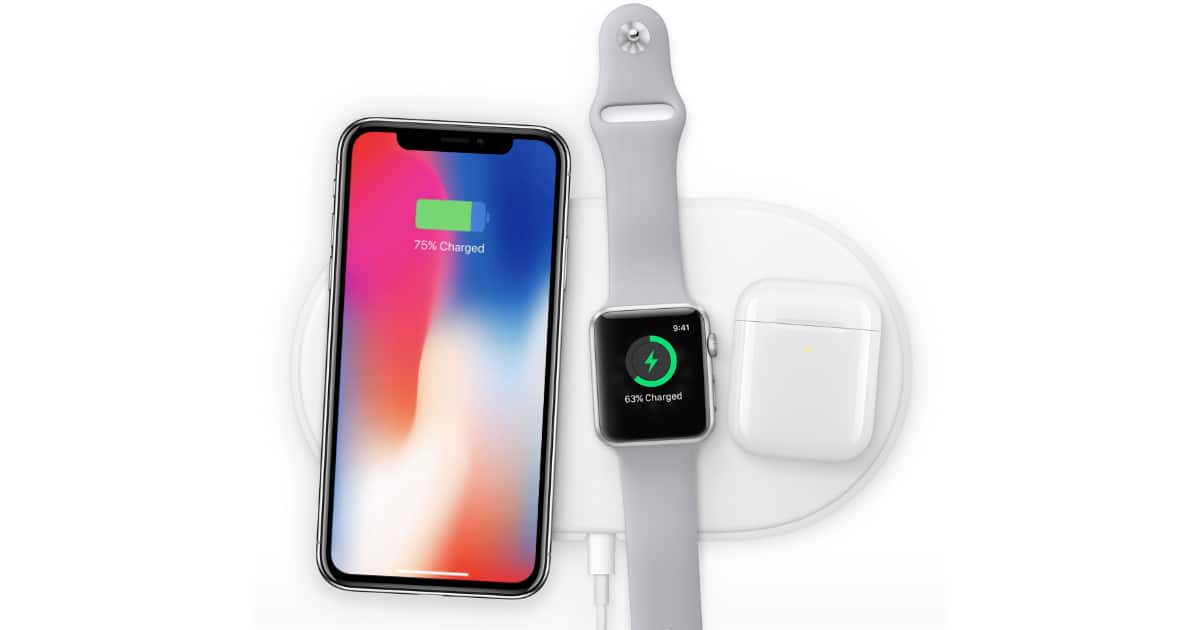
Apple's AirPower Wireless Charging Pad Not Coming Until September
Apple promised its AirPower wireless charging pad for the iPhone, Apple Watch, and AirPods would ship some time in 2018, and now it’s looking like that’s going to be September—a year after it was unveiled. Bloomberg reports Apple is dealing with technical issues like keeping the device from overheating. A rumor saying AirPower would come in March came and went, Apple is staying quiet about the device’s status. For now, it looks like we still have three more months to wait for AirPower, and the promised wireless charging case for AirPods, too.

These AI Shoes Could Become Your Fitness Coach
Writing for Techcrunch, Callum Booth talks about a device called Runvi. It’s on Kickstarter right now, consisting of two insoles, and it wants to be your AI-powered running coach by analyzing the way you move. These AI shoes are connected by something called the Core, which is a part of the insole you can remove. This acts as the brain, and powers the sensors, as well as logging and storing data before sending it to your phone.
There are other running products out there – the Lumo Run or Arion, which is another insole tracker, for example – but Runvi, on the surface at least, appears to be superior. It has more sensors, is cheaper than Arion, and is more self-contained, as it doesn’t need anything hooking over your shoe.
It’s vital to remember this is just on paper though. While the idea and set-up looks promising, we’ll have to wait until we have the physical copies in our hands, or, you know, in our shoes, before we can see how it works in reality. Until then, I’m quietly hopeful I won’t hurt my knee any more.
Just How REALLY Big Are The SpaceX Rockets?
Because of they way they’re photographed, we don’t often get a good perspective on how big modern rockets are. For example, the SpaceX Falcon 9 is 230 ft (70 meters) tall. The SpaceX BFR rocket is 348 ft. (106 meters) tall. What does that really mean in everyday terms? In this video, a VFX artist, with great style, puts the size of these rockets into perspective for us. (Those who’ve been to the Kennedy Space Center in Florida will understand.)
What Online Services Can Do with Content You Upload - TMO Daily Observations 2018-06-20
Adam Christianson from the Maccast and John Martellaro join Jeff Gamet to look at who can use our content when we upload to online services and social networks.

Twist Plus World Charging Station: $31.99
Check out the Twist Plus World Charging Station. It can plug into any power outlet in the world, and it has four USB ports for charging multiple devices. It also has a adapter on the bottom you can slide your MacBook’s charging brick onto. It’s $31.99 through our deal.

Some Very Cool Images from Space
Here’s a nice collection, «The Week’s Coolest Space Images.» From spectacular dunes on Mars to the Guatemala volcano eruption. photos like these help us visualize and tell a story that can’t be appreciated with just words. And they also punctuate the importance of satellites that can observe the surface of planets. Not to mention the science. Check it out.
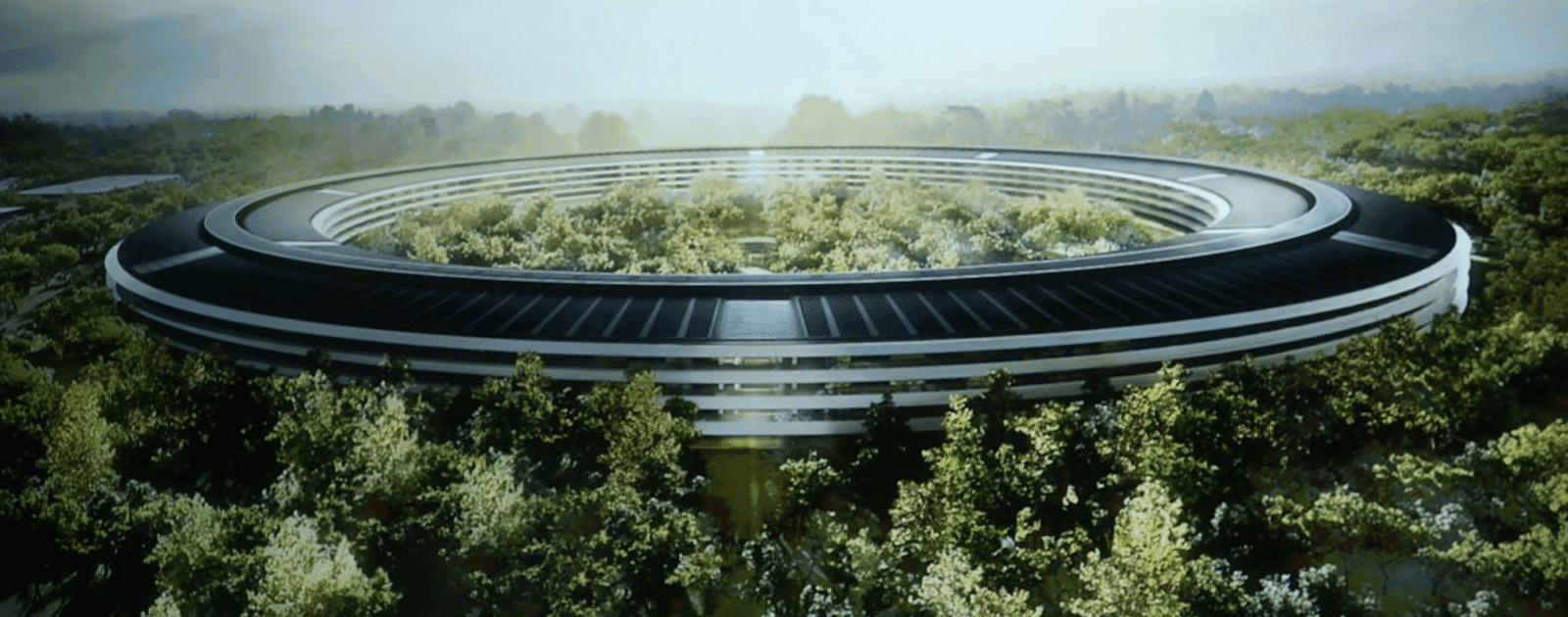
Apple's Advanced Technology Group Changed the World
In another good article by FastCoDesign, Jesus Diaz writes how Apple’s research group developed some of the most highly influential tech of the century. For example, a feature coming in macOS Mojave called Stacks automatically categorizes your files on the desktop. But Stacks isn’t a new technology, and evolved out of concepts that ATG worked on.
The ATG was founded in 1986 by Larry Tesler, a computer scientist who had previously worked at Xerox Palo Alto Research Center–aka PARC, the birthplace of the graphic user interface–before moving to Apple. The group’s mission was to create breakthrough technologies that didn’t need to be products.
Though they were introduced onstage at WWDC as “Stacks,” they were once known as “Piles.” It extended the desktop metaphor even further by allowing users to organize their files in stacks of papers, images, or videos, leaving folders for more permanent archival purposes–just like real life.

Apple Could Be Collateral Damage in the U.S. Trade War
President Trump has effectively started a trade war with China—as well as other countries—by imposing tariffs on metal imports from Europe, Canada, and Mexico. These countries are fighting the U.S. trade war, with China focusing on American-made goods like beef, poultry, tobacco, and cars.
Tim Cook worries that Apple could be collateral damage. Last month he visited the White House to warn the president that Apple’s position in China could be threatened by tough measures coming out of the U.S. The New York Times notes:
In a trade and technology showdown between the United States and China, Apple and Mr. Cook have a lot to lose. With 41 stores and hundreds of millions of iPhones sold in the country, there is arguably no American company in China as successful, as high-profile and with as big a target on its back.

Here's What Your City Looked Like up to 750 Million Years Ago
FastCoDesign shared an interesting visual tool that shows what your city looked like up to 750 million years ago. It’s called Ancient Earth. You enter your address, click on the menu to pick the age, then it instantly shows how the land mass looked.
Earth was a completely different planet 240 million years ago. Back then we had Pangea, a mashup of a supercontinent formed by older continental units and surrounded by water. Then, around 175 million years ago, magma pushed this landmass’s tectonic plates in different directions, slowly forming the continents we know today.
Fun fact: Mar-a-Lago has always been a swamp–and L.A. traffic has always been crap. True story, folks.


