
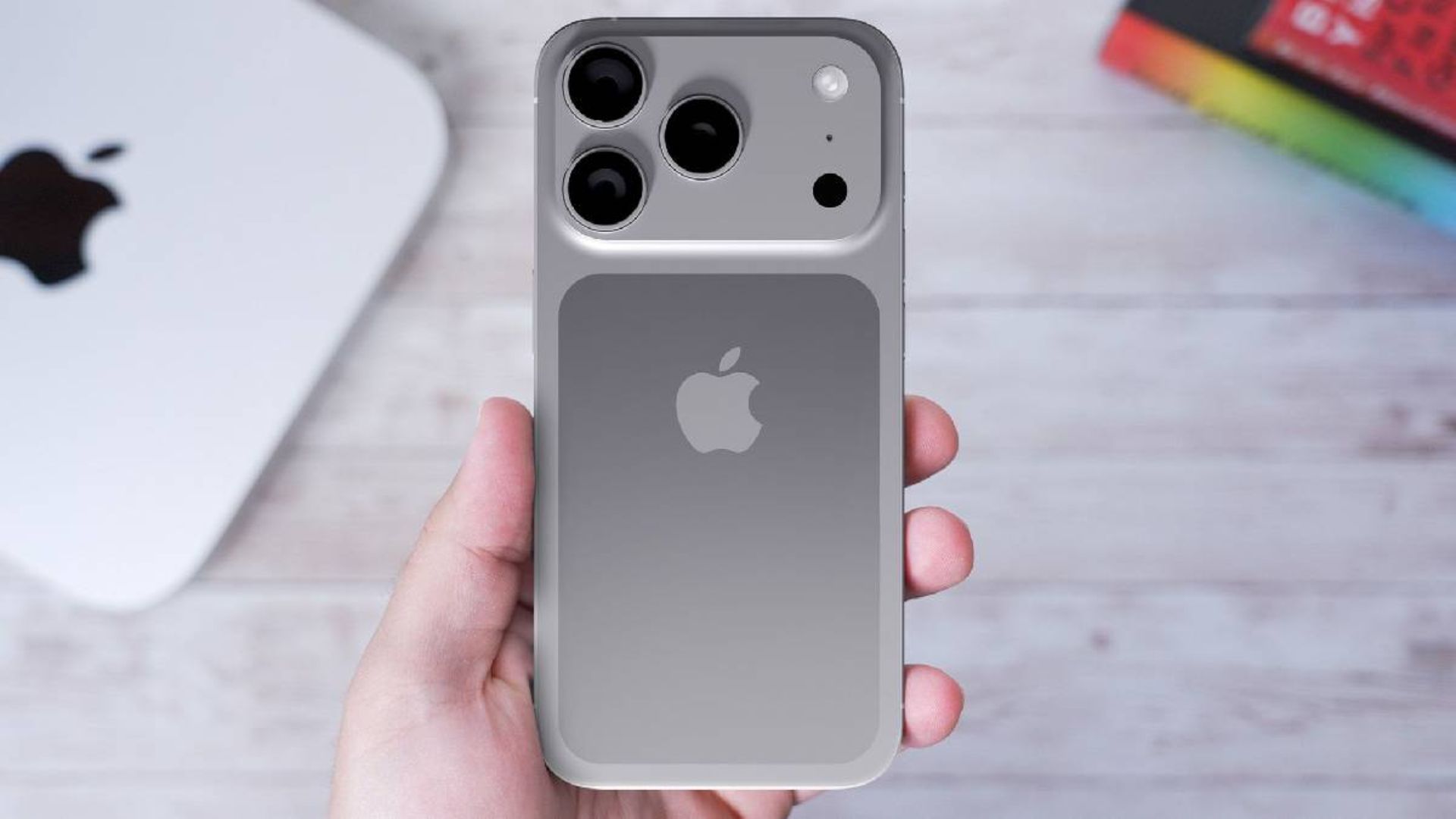
Apple is reshaping its display supply plan for the iPhone 17 Pro after BOE struggled with reliability issues. Several reports, including one from ZDNet Korea, say Apple reassigned BOE’s planned OLED allocation to Samsung because BOE failed to meet LTPO performance standards in time for mass production. This shift affects the iPhone 17 Pro units set for the Chinese market, where BOE was supposed to supply up to 10 million panels.
BOE received early mass-production approval in the third quarter, but its progress slowed as technical problems persisted. The company tried to fix issues around yield, stability, and overall panel performance. However, the fixes reportedly arrived only by mid-November, and by then Apple had already updated its supply roadmap. Korean industry reports echoed this development and said BOE’s reliability issues made it impossible to match Apple’s LTPO expectations.
A Bigger Role for Samsung
As a result, Samsung Display now takes over BOE’s planned volume. The company already handled a major share of iPhone 17 panels. With this change, Samsung’s total supply rises from about 80 million units to around 90 million units for the full lineup. LG Display continues to supply panels for the non-Pro models, keeping the rest of the chain stable.
Don’t miss the best of The Mac Observer
Set us as a preferred source and our Apple reporting ranks higher in your Google Search results and Discover feed — one tap, no account changes.
Meanwhile, BOE’s forecast for the year drops sharply. It hoped to ship more than forty million OLED panels to Apple across all models. Now, industry estimates place the number below that target, with the iPhone 17 Pro loss becoming the biggest setback.
Analysts quoted in Korean reports say BOE has long aimed to break into Apple’s LTPO supply chain but still struggles to meet the performance level Apple expects.
Industry Context
The OLED supply chain for the iPhone 17 series remains largely controlled by Samsung and LG. Samsung supplies panels for all four models, while LG supports the three non-Pro units. Apple planned to expand LTPO to every model this year, which increased pressure on suppliers. BOE’s delay created an immediate gap that Samsung could fill without slowing production.
Korean outlets also noted that Samsung recently won a patent dispute against BOE, adding another layer to the competitive tension between the two companies. That ruling ensures Samsung receives royalty payments from BOE for relevant OLED technologies.
This shift shows how quickly Apple adjusts its supply chain to protect production timelines. It also highlights how difficult it still is for BOE to meet Apple’s most demanding display requirements.




great