

Apple is working on a much thinner Face ID system to free up space inside the iPhone Air. The goal is to fit a second rear camera, likely an ultra-wide lens, without making the phone thicker. The iPhone Air already pushes its design limits, so Apple needs to shrink internal parts to add new features while keeping the device slim and light.
A leaker known as Instant Digital on China’s Weibo platform says Apple asked suppliers to build an ultra-thin Face ID module. This smaller system would give Apple enough room to add an ultra-wide camera next to the main lens. Apple wants to solve complaints that the iPhone Air sacrifices too much hardware for its thin design, especially at its premium price.
Smaller Face ID
Apple packs many parts into the top area of the iPhone Air to save space for the battery. Because of this, adding a second rear camera forces a redesign of the internal layout. A thinner Face ID unit gives engineers more freedom to move parts around while keeping the phone thin.
Don’t miss the best of The Mac Observer
Set us as a preferred source and our Apple reporting ranks higher in your Google Search results and Discover feed — one tap, no account changes.
Digital Chat Station, another Chinese leaker, earlier said Apple focused on making the iPhone Air as thin and light as possible. That design goal explains why Apple now looks for smaller camera and Face ID components.
Second Camera Looks More Likely
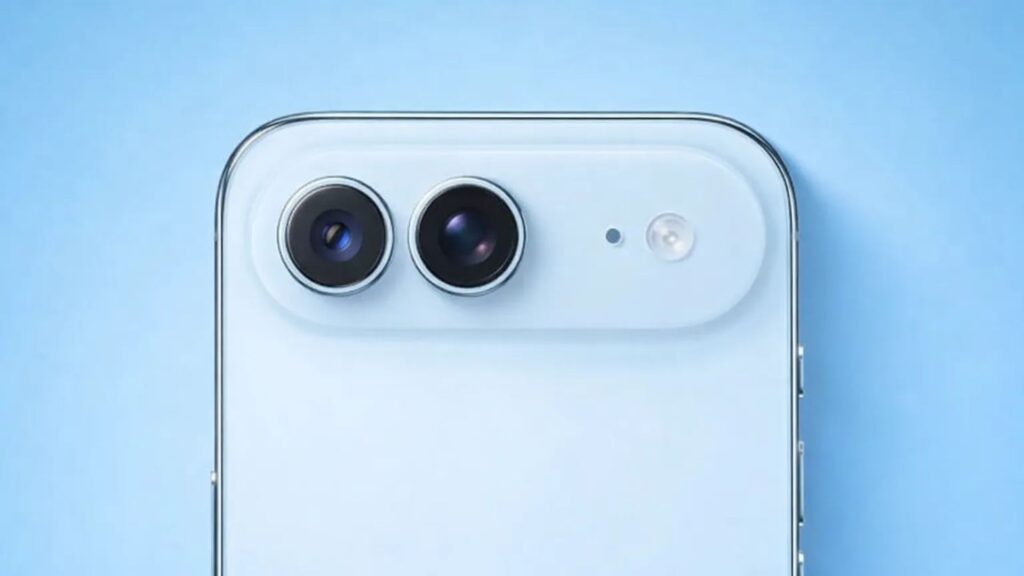
A report from The Information later backed up these claims by saying Apple works on a second rear camera for the iPhone Air. That camera would likely be an ultra-wide lens, which users have asked for since the first model launched.
By shrinking Face ID, Apple can add that lens without growing the phone or cutting battery size. This change would bring the iPhone Air closer to other premium iPhones in camera features.
Apple already plans to use Touch ID on the side button of its first foldable iPhone to keep that device thin. If Apple succeeds with a smaller Face ID system, future thin devices could switch back to Face ID.
Instant Digital also thinks this ultra-thin Face ID could reach the MacBook one day. Right now, no active rumors support that idea. In 2022, Mark Gurman reported Apple tested Face ID for the iMac but could not make it fit inside a thin display.
The next iPhone Air model is not expected until next year, so no changes are coming soon. Still, this work shows Apple is not done with Face ID. The company keeps refining how it fits inside smaller and thinner devices.



Discussion