
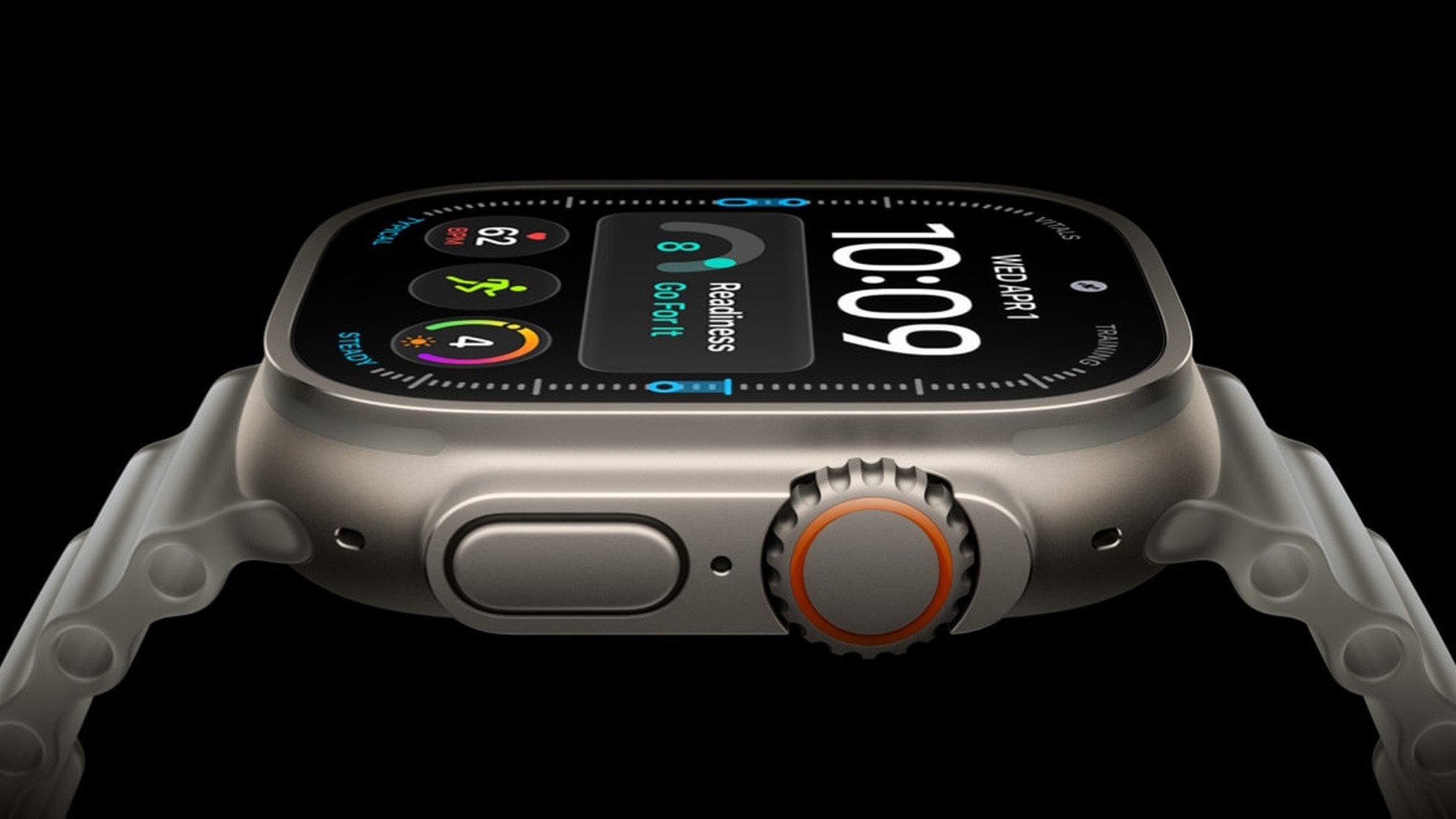
Apple Watch Ultra 4 brings more accurate heart-rate tracking and useful live complications, but owners of an Ultra 2 or Ultra 3 may not gain enough to justify replacing their watch this year. The exterior remains familiar, while the faster processor produces limited visible change during ordinary use.
Bloomberg’s Mark Gurman writes that two improvements stood out after several weeks of use: the heart-rate monitor appeared more accurate, and live-updating complications were useful. He nevertheless recommends that Ultra 2 and newer owners wait another year before upgrading.
Apple says the redesigned optical sensor measures heart rate every five seconds throughout the day and supports more frequent background readings. Those changes feed health and recovery features, including the Readiness information that Apple now places more prominently on the watch.
Don’t miss the best of The Mac Observer
Set us as a preferred source and our Apple reporting ranks higher in your Google Search results and Discover feed — one tap, no account changes.
The strongest changes are useful, not transformative
The S11 chip provides more processing headroom, but a smartwatch has fewer demanding applications than a phone or computer. Owners are therefore less likely to notice a dramatic speed increase unless later software introduces heavier local AI or gaming tasks.
The new step-counting complication and live data can make the watch face more informative without opening an app. MacObserver has also documented an undocumented Readiness bezel option, which reinforces the device’s stronger focus on recovery data.
Buyers coming from the original Ultra or an older standard Apple Watch may see a larger improvement. For Ultra 2 and Ultra 3 owners, battery condition and a specific need for the new health sensor matter more than the model number alone.



Discussion