
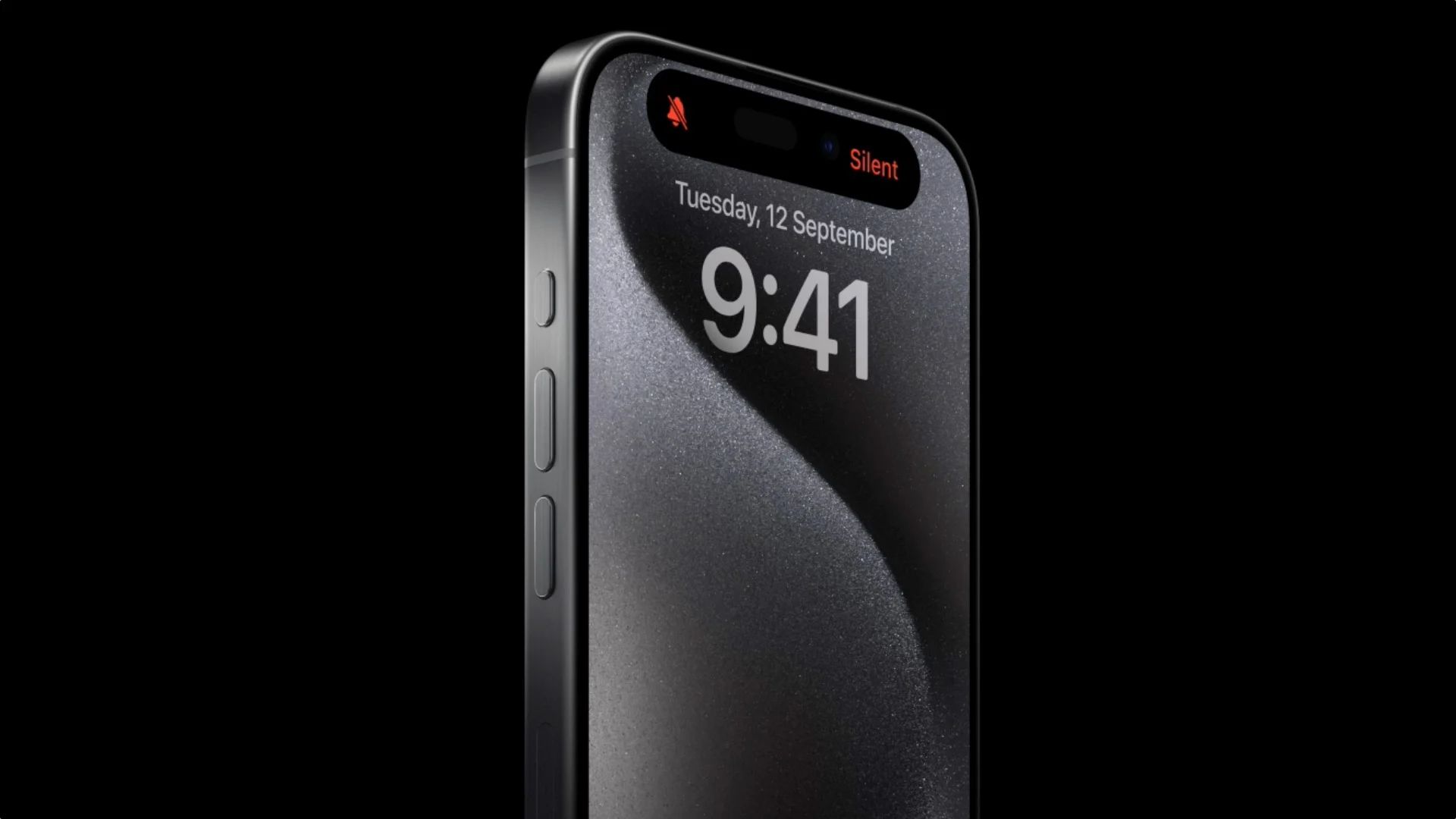
Apple has moved millions of iPhone OLED panel orders away from BOE after the Chinese supplier ran into fresh production problems. The disruption has lasted for months and now affects several recent iPhone models, including some that BOE had supplied without trouble in the past. As a result, Samsung Display has stepped in to fill the gap, taking over a large share of the orders meant for BOE.
The Elec reports that BOE has not fixed the manufacturing issues that began in November and December. Several industry insiders told the publication that problems in key production steps forced BOE to stop making some panels. One source said, “BOE has been stably supplying OLED for the iPhone 15 and 16, so the industry is puzzled.”
What went wrong
BOE had supplied OLED panels for many iPhone models, including the iPhone 13 through the iPhone 17, along with the lower cost iPhone 16e and the upcoming 17e. The current quality problems affect panels for the iPhone 15, 16, and 17. This stands out because the iPhone 15 and 16 use LTPS OLED panels, which are easier to make and had shown stable output before.
Don’t miss the best of The Mac Observer
Set us as a preferred source and our Apple reporting ranks higher in your Google Search results and Discover feed — one tap, no account changes.
The iPhone 17 uses LTPO OLED panels, which require more complex manufacturing. That part of the story makes sense. The surprise is that BOE also struggled with the simpler LTPS panels. Even people inside the industry found this strange since BOE had delivered those panels for a long time without major issues.
While BOE tries to fix its factories, Samsung Display has taken over millions of panel orders in the past two months. BOE shipped around 40 million iPhone OLED panels in 2024, which worked out to about three million units per month. Because of the production failures in the second half of the year, that total likely fell below expectations.
Samsung had room to absorb those orders. Its OLED production capacity is larger than LG Display’s, which lets it support more iPhone models at the same time. BOE, which entered the iPhone OLED market later, mostly focuses on older models rather than the newest ones.
Focus on the iPhone 17e

BOE now aims to protect its biggest remaining iPhone contract. The company is putting most of its effort into supplying panels for the iPhone 17e, which is set to launch in the first half of this year. BOE holds the largest panel share for that model, which reuses the OLED design from the iPhone 14.
Apple plans to use LTPO OLED across all four iPhone 17 models, while the iPhone 16 series still splits between LTPO on Pro models and LTPS on the regular versions. That shift raises the technical bar for every supplier, including BOE.
A tense backdrop
These production issues follow a rough period in BOE’s relationship with Samsung Display. Samsung accused BOE of stealing trade secrets and infringing AMOLED patents, which led to an investigation and proposed U.S. import bans. Regulators initially found misappropriation and suggested long restrictions, but both sides settled in late 2025. BOE agreed to pay royalties to close the case.
Now, with Samsung picking up the extra Apple orders, the balance between the two rivals has tilted even more. For Apple, the priority stays the same. It needs a steady flow of high quality OLED panels, no matter which supplier delivers them.




Discussion