

Apple’s latest iPhone lineup is barely a few weeks into its launch window, but early buying patterns already reveal an interesting trend which is that people want the Pro. The iPhone 17 Pro and Pro Max are outselling every other model, while the new iPhone Air is barely registering in consumer surveys.
Pro Takes the Spotlight
The Pro models have always drawn the most attention during launch season, but this year their dominance is even more pronounced. A survey cited in a JPMorgan investor note, reported by AppleInsider, shows that 72% of buyers prefer the iPhone 17 Pro models. That’s a sharp increase from 64% during the iPhone 16 cycle.
The iPhone 17 Pro Max leads the pack with a 33% share, followed by the standard Pro with 22%. Even the regular iPhone 17, which holds 20%, is far ahead of Apple’s new “Air” device. The message from consumers is unambiguous: if you’re spending on a new iPhone, you want the best version Apple offers. If you are still confused though, here is our comparison notes for iPhone Air vs Pro Model.
Don’t miss the best of The Mac Observer
Set us as a preferred source and our Apple reporting ranks higher in your Google Search results and Discover feed — one tap, no account changes.
Consumer demand overall is also higher than last year. About 71% of respondents in the United States plan to buy a new iPhone in 2025, compared to 68% in 2024 and 63% in 2023. Interest in China is even stronger, with 90% of those surveyed considering a purchase.
The Air That Nobody Asked For
What’s surprising isn’t the Pro’s popularity. It’s the near-total lack of interest in the iPhone Air. According to JPMorgan’s data, the Air model didn’t even place in the top five most popular options among buyers. It secured only 2% of the vote both in the United States and China.
That omission is striking because Apple positioned the Air as a replacement for the “Plus” variant, which historically held a respectable share of sales. The absence of any mention of the Air in the survey’s main findings suggests it failed to resonate with customers.
The likely explanation is buyers don’t see enough value in a mid-tier model when the Pro offers significant performance upgrades and features. And for those who want to save money, the standard iPhone 17 is a more familiar choice. The Air, sitting awkwardly in between, seems to offer neither the premium appeal of the Pro nor the affordability of the base model.
Upgraders and Switchers Want Pro Too
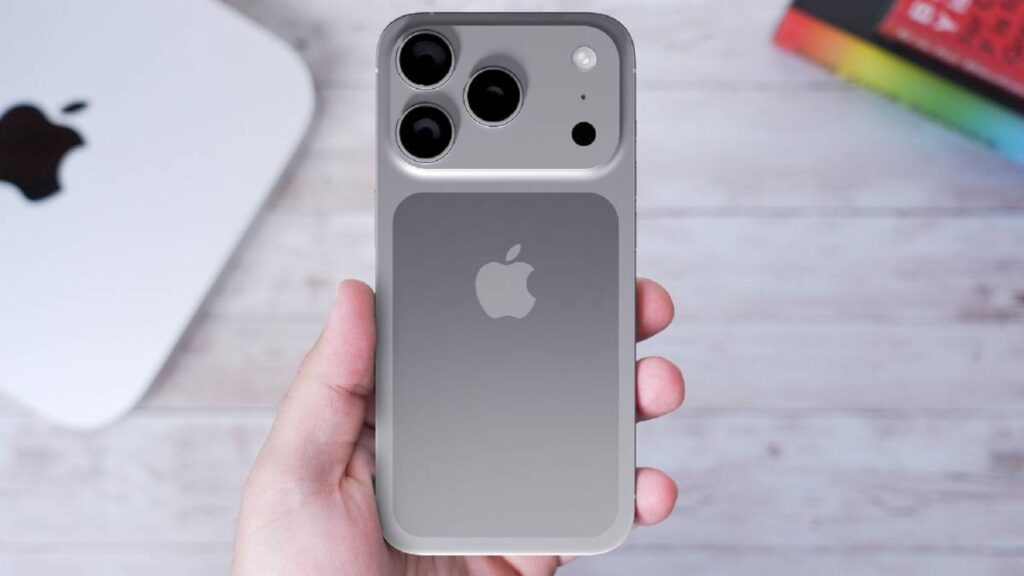
That Pro-first mindset extends beyond regular buyers. Among existing iPhone users planning to upgrade, 73% are eyeing a Pro variant, up from 67% last year. The Pro Max alone accounts for 36% of upgrade interest.
The same story plays out with Android switchers. Although fewer Android users plan to jump to iOS this year (57% vs. 61% in 2024), those who do overwhelmingly want the Pro experience. Nearly 70% of switchers plan to buy a Pro or Pro Max.
This points to a broader shift in Apple’s customer base. Buyers no longer see the Pro as a niche option for power users. It has become the default choice, while the base and mid-tier models are increasingly treated as compromises.
In short
The results suggest that Apple’s strategy to push the iPhone Pro as its flagship product is working. Higher demand for premium models means higher average selling prices and stronger margins. But the disappointing reception for the iPhone Air raises questions about whether Apple misread the market.
If the Air continues to underperform, Apple may need to rethink how it positions its mid-tier phones — or whether that category even has a future. Right now, buyers have made their choice clear: they want the Pro, and they’re willing to pay for it.


Discussion