
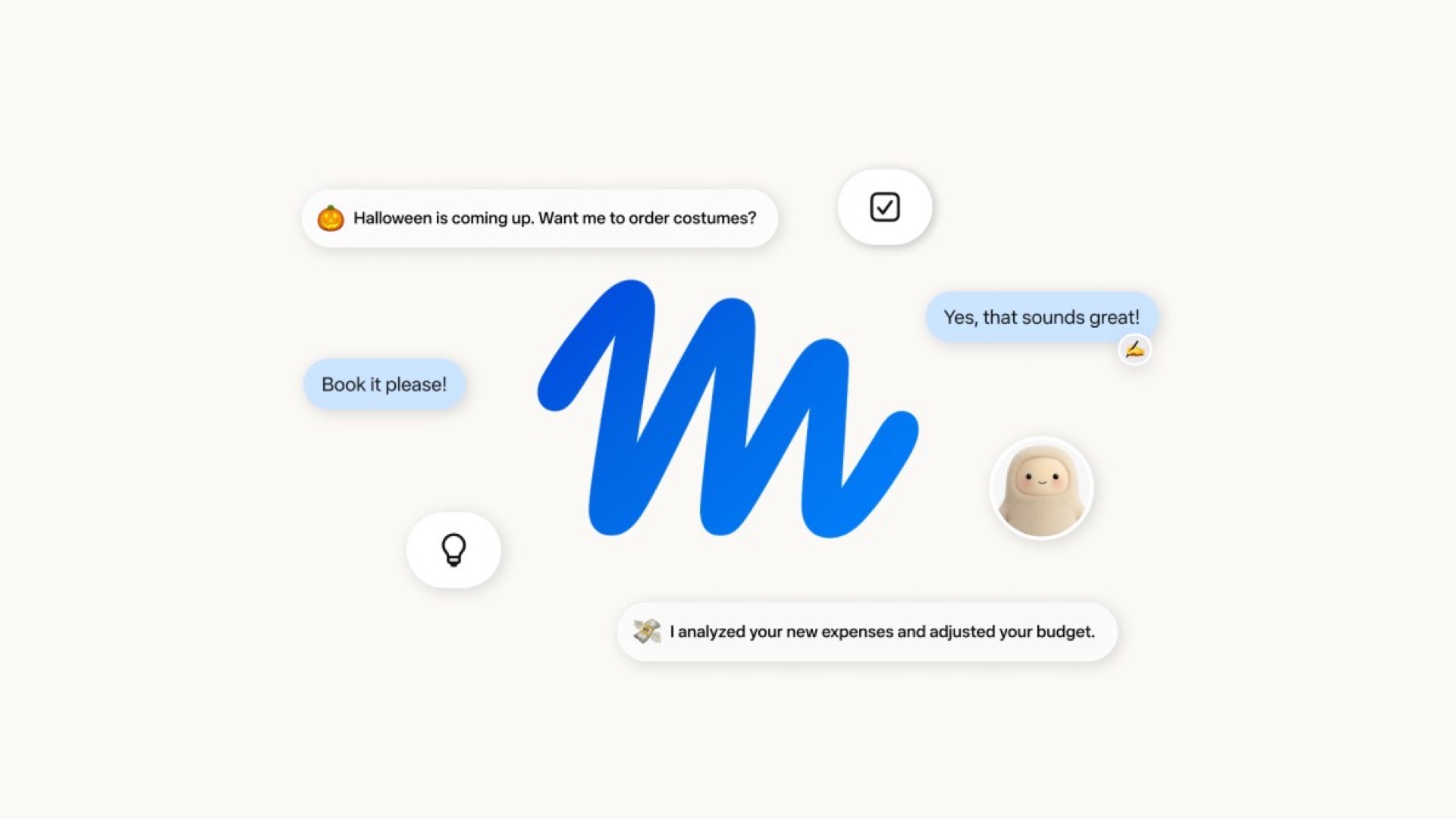
Meta has introduced Muse, a personal AI agent designed to take on multi-step tasks with a user’s approval. The company says Muse can help plan work, organize information and interact with connected services, while running sensitive work inside a protected virtual environment.
Muse is positioned differently from a standard chat assistant. Instead of only returning an answer, Meta says it can carry a task through a sequence of actions, such as preparing information for an email, researching options or arranging a trip. Users choose which apps and accounts it can access.
How Meta says Muse works
- It can break a request into several actions.
- It asks for access to the services needed for a task.
- Meta says sensitive activity is isolated in its Muse Secure VM.
- Users can review and control the connections they grant.
Those permissions deserve close attention. An assistant that can act across email, calendars or travel sites can be useful, but it also handles more personal context than a typical one-off prompt. Anyone trying Muse should review the access request before connecting an account and check the result before sending or buying anything.
Don’t miss the best of The Mac Observer
Set us as a preferred source and our Apple reporting ranks higher in your Google Search results and Discover feed — one tap, no account changes.
Meta says Muse is launching through its own services, including mobile access, with availability varying by platform and region. The company has separate products and rollout schedules for its Meta AI apps, so an announcement does not guarantee that every feature is available to every iPhone or Mac user immediately.
Meta explains the product’s intended capabilities and safeguards in its Muse announcement.



Discussion