
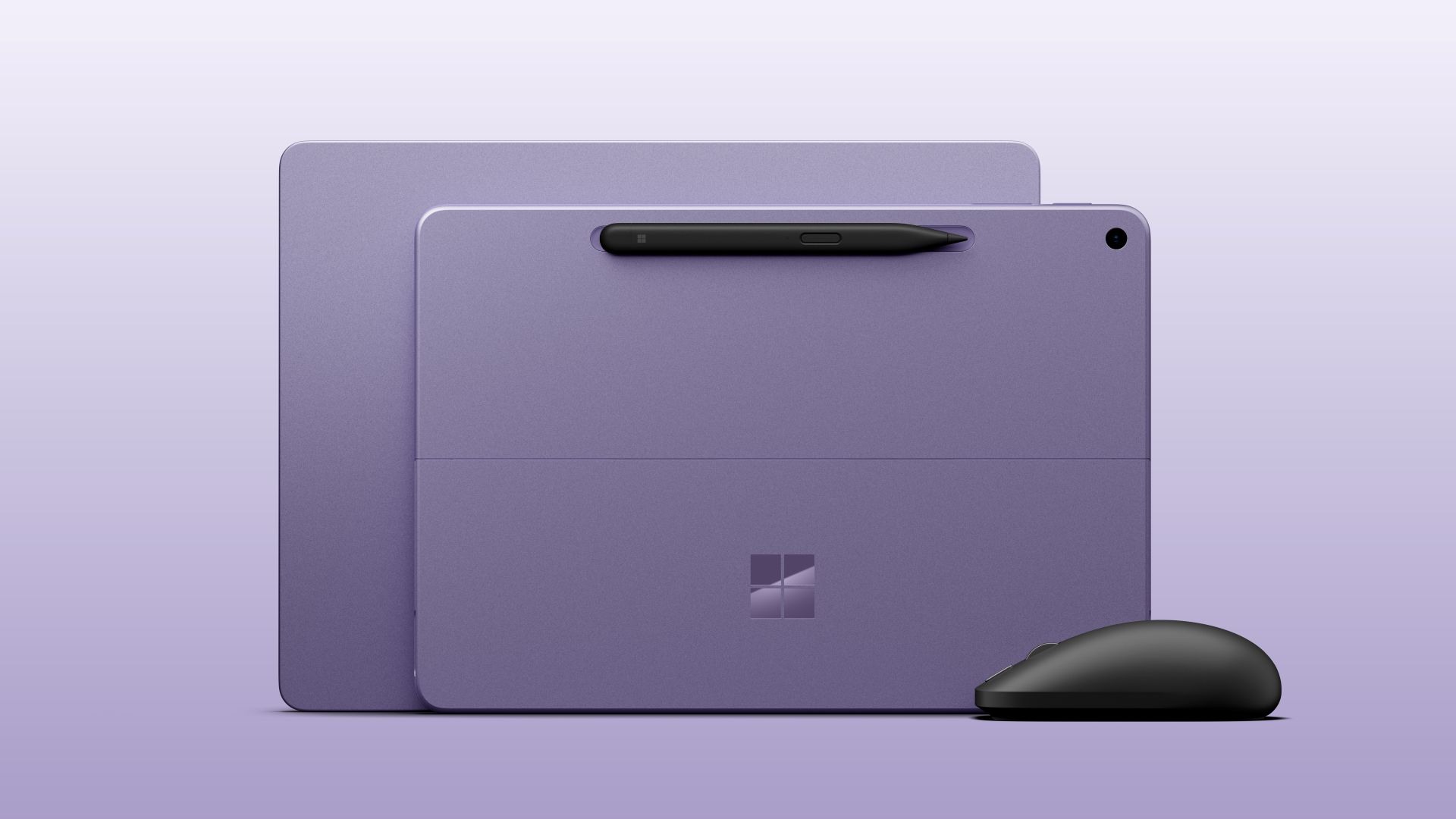
Microsoft will hold a Windows and Surface event on October 7 in San Francisco, where local AI is expected to be the main theme. The presentation begins at 10 a.m. Pacific, or 1 p.m. Eastern, and should outline the company’s next steps for Windows PCs and Surface hardware.
According to WindowsLatest’s report on Microsoft’s invitation, the event asks how local AI will shape the next chapter of the PC. Microsoft CEO Satya Nadella, Windows and Surface leader Pavan Davuluri, and Nvidia CEO Jensen Huang are listed as participants.
Microsoft has not published a complete product list for the event. It has already introduced a 12-inch Surface Pro and 13-inch Surface Laptop using Qualcomm’s Snapdragon X2 platform, both positioned as Copilot+ PCs. That leaves room for the October presentation to focus on higher-performance systems and the software that uses their local processors.
Don’t miss the best of The Mac Observer
Set us as a preferred source and our Apple reporting ranks higher in your Google Search results and Discover feed — one tap, no account changes.
What Microsoft may announce
Reports point to a larger Surface Laptop Ultra and compact workstation hardware designed around Nvidia’s RTX AI platform. A developer-focused Surface device and an update known as Windows K2 are also being discussed. Those names and specifications remain expectations until Microsoft shows the products onstage.
The local AI message is important because it shifts more processing from cloud services to the PC itself. That can reduce delays and keep some data on the device, but the practical result depends on which features Microsoft ships and what hardware they require. MacObserver previously examined Microsoft’s claim that a Surface Pro could outperform a MacBook Air, showing how central Apple comparisons have become to Surface marketing.
Microsoft is also under pressure to show that AI makes Windows more useful rather than more intrusive. Some users have criticized the company’s push toward an agentic Windows experience. The October 7 event should reveal whether the next wave emphasizes practical offline tools, new hardware, or both.




Discussion