
The Apple TV app is now directly available to users of a Sky Q box or Sky Glass television in the UK and Ireland.

Apple’s Employee Giving Program Has Raised US$725 Million in 10 Years
Apple’s Employee Giving program distributed US$120 million in 2021, and raised US$725 million in the decade it has been around.

Apple v Epic Continues – TMO Daily Observations 2021-12-14
Charlotte Henry joins host Kelly Guimont to discuss the Apple v Epic case, with a brief summary and then look ahead to what happens next.

Update to Cash App Lets People Gift Stocks and Bitcoin
Block updated Cash App recently to let people gift each other Bitcoin and traditional stocks. It works with a USD balance or debit card.
To make this feature work, users will actually be sending the fiat value of the stock or the bitcoin from either their Cash App balance or a linked debit card, the company explains. While the earlier feature of sending bitcoin was accessed from the investing tab, the new feature is available both from the app’s payment tab or from a new “gift box” button on the investing tab.

Apple's Jeremy Butcher talks Apple Business Essentials – Mac Geek Gab 905
Apple recently announced-and-released the beta of their new MDM solution, Apple Business Essentials. Today we have Jeremy Butcher, Enterprise and Education Product Marketing Manager at Apple here to help us answer our questions about exactly what Apple Business Essentials can do for us and how it all works in a real-world setting. Press play and enjoy learning five new things about Apple Business Essentials!
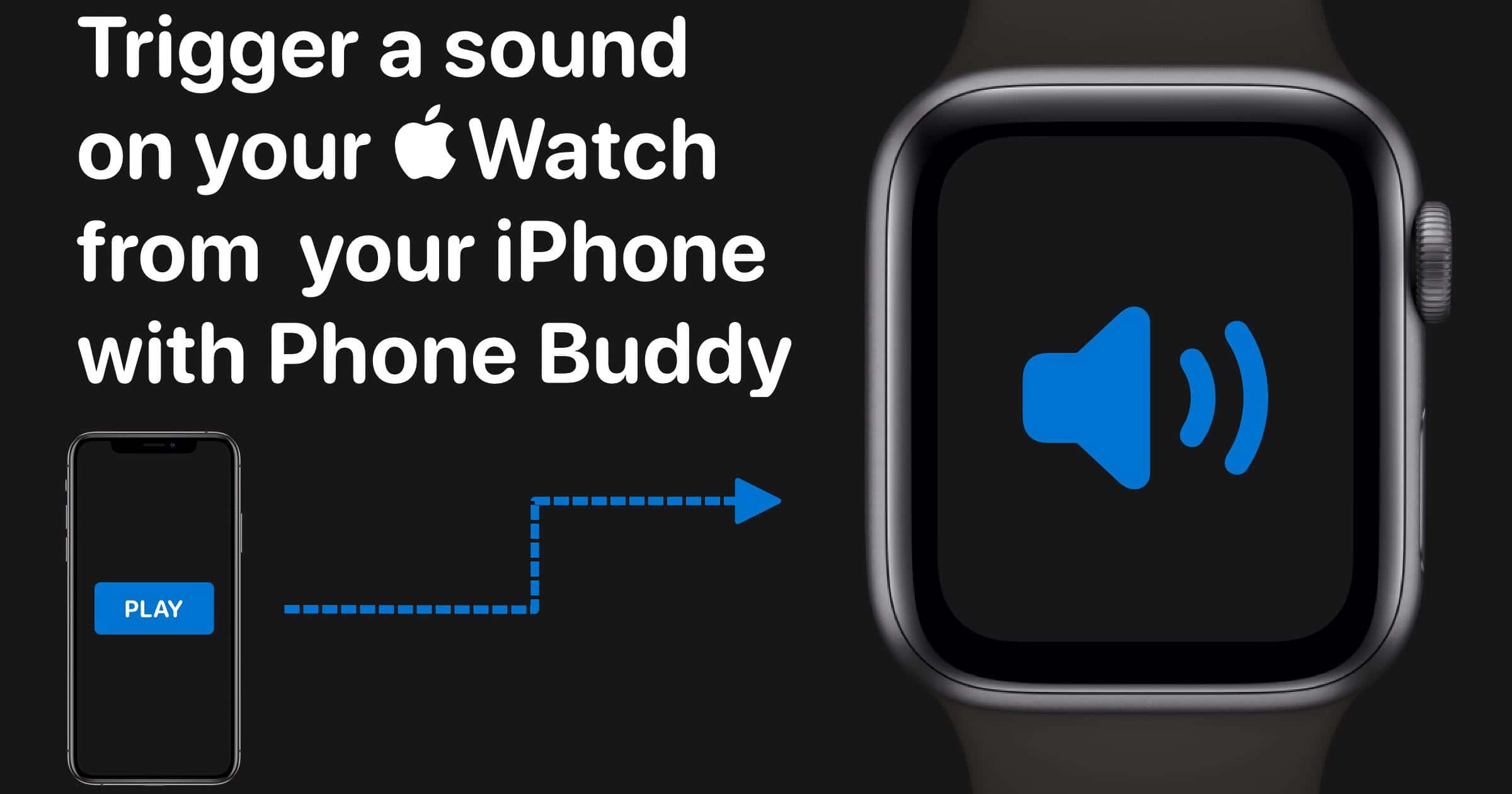
Update to 'Phone Buddy' Adds Play Sound on Apple Watch Feature
Phone Buddy is an app that monitors the Bluetooth connection between your iPhone and Apple Watch and alerts you when needed. Alerts can be configured to display when your iPhone connection is lost, when you leave your Apple Watch behind, or when devices move apart with Distance Going Away Alerts. With Phone Buddy, if you step away from your iPhone, you get a notification on your Apple Watch. With Phone Buddy 7.2 you can now trigger a sound to play on your Apple Watch from your iPhone with the Play Sound on Apple Watch feature. This update also includes a new error detection heuristic that aims to reduce errors and failures. As always, core stability updates are also included with this update.

Sonnet Releases Compact Thunderbolt 4 Hub, Supports up to 8K Displays
Sonnet announced its Echo 5 Thunderbolt 4 hub on Tuesday. It features 4 Thunderbolt 4 ports and 1 USB 3.2 Gen 2 (10Gbps) Type A charging port.

Update to Package Manager 'Pacifist' Supports M1 Chip, Rewritten in Swift
The Pacifist 4.0 update was released in November and it includes full support for M1 Macs. The app was also rewritten in Swift 5.

Photoshop for iPad Gets New Tools: Smudge and Sponge
Adobe announced the addition of two new tools coming to its iPad app: Smudge and Sponge. These assist artists in more creative ventures.

iOS 15.2 Update Finally Introduces the App Privacy Report
Apple released iOS 15.2 on Monday, and one of the changes you’ll see is App Privacy Report. You can install the update through Settings.