

With Face ID handling device verification, it’s easy to forget your own Apple ID password. And although you can always use the Forgot Password feature on Apple ID, you might not want to go through the hassle of resetting it. Try checking your saved credentials. You can retrieve your password from saved entries in iPhone Settings, check browser-stored logins, or use the Passwords section in macOS System Settings. Windows users can even use the iCloud Passwords app.
The steps are simple enough, but one wrong move can lock you out of your account. I’ll show you how to perform them safely.
 NOTE
NOTE
1. Check Saved Passwords in Settings
Time needed: 2 minutes
Your iPhone stores login credentials in the Passwords section under Settings, backed by iCloud Keychain. It’s likely saved here if you’ve ever logged into your Apple ID manually or used it with AutoFill. This data is encrypted and tied to your Face ID or passcode, so it’s safe to retrieve without needing a reset or verification email.
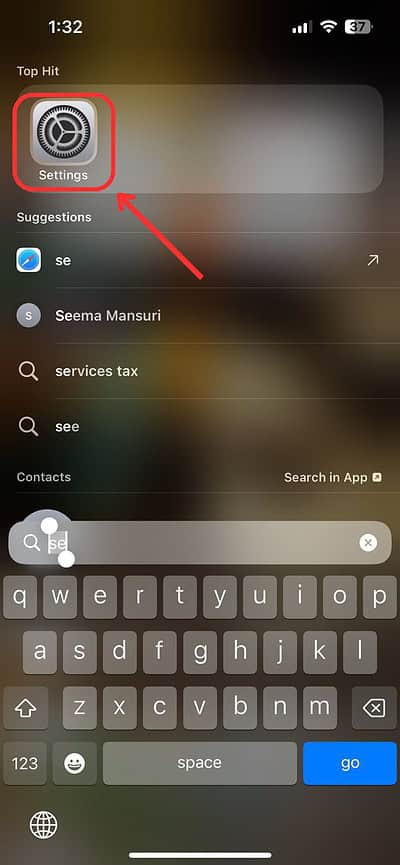
- Open the Settings app.
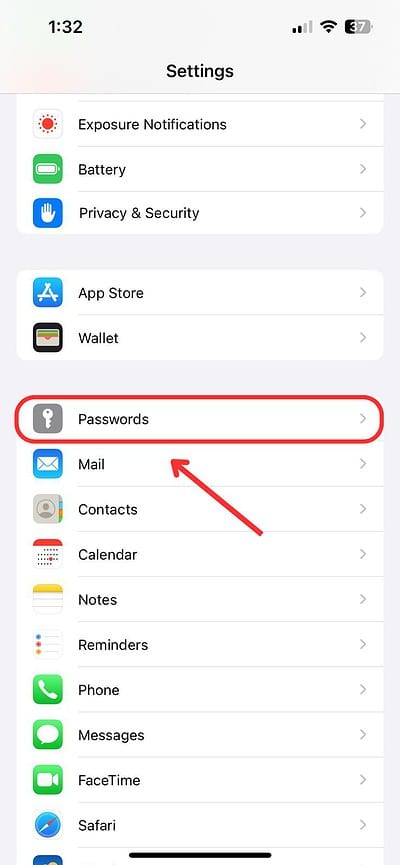
- Scroll down and select Passwords.
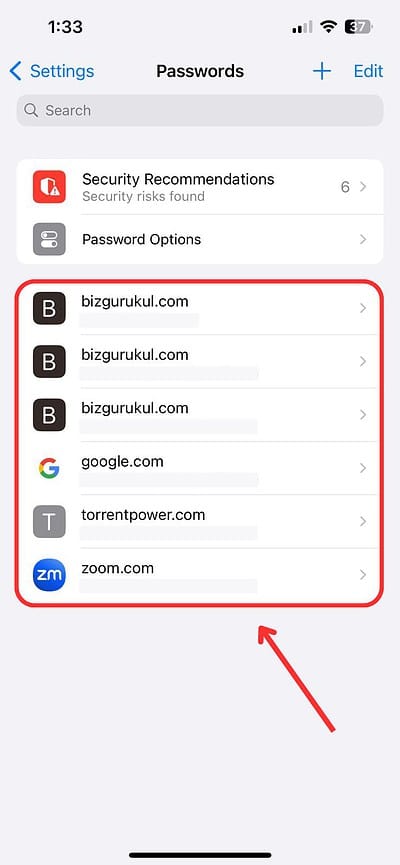
- If Apple.com is on this list, then tap on it.
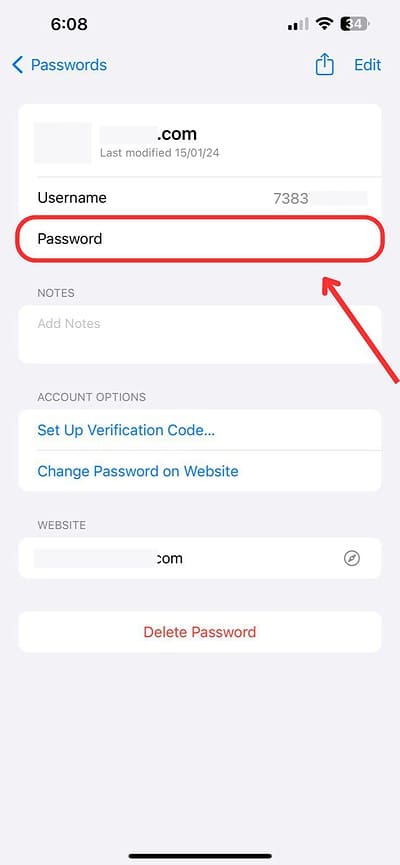
- Now, just click on the password to reveal it.


2. Verify Your Browsers for Saved Passwords
If you didn’t find the password using the method above, then it means it’s not saved in the Safari browser. If you use another browser, it’s worth checking the saved passwords in its settings. Below, I’ve outlined the steps for retrieving passwords from the three most popular browsers.
Don’t miss the best of The Mac Observer
Set us as a preferred source and our Apple reporting ranks higher in your Google Search results and Discover feed — one tap, no account changes.
2.1 Google Chrome
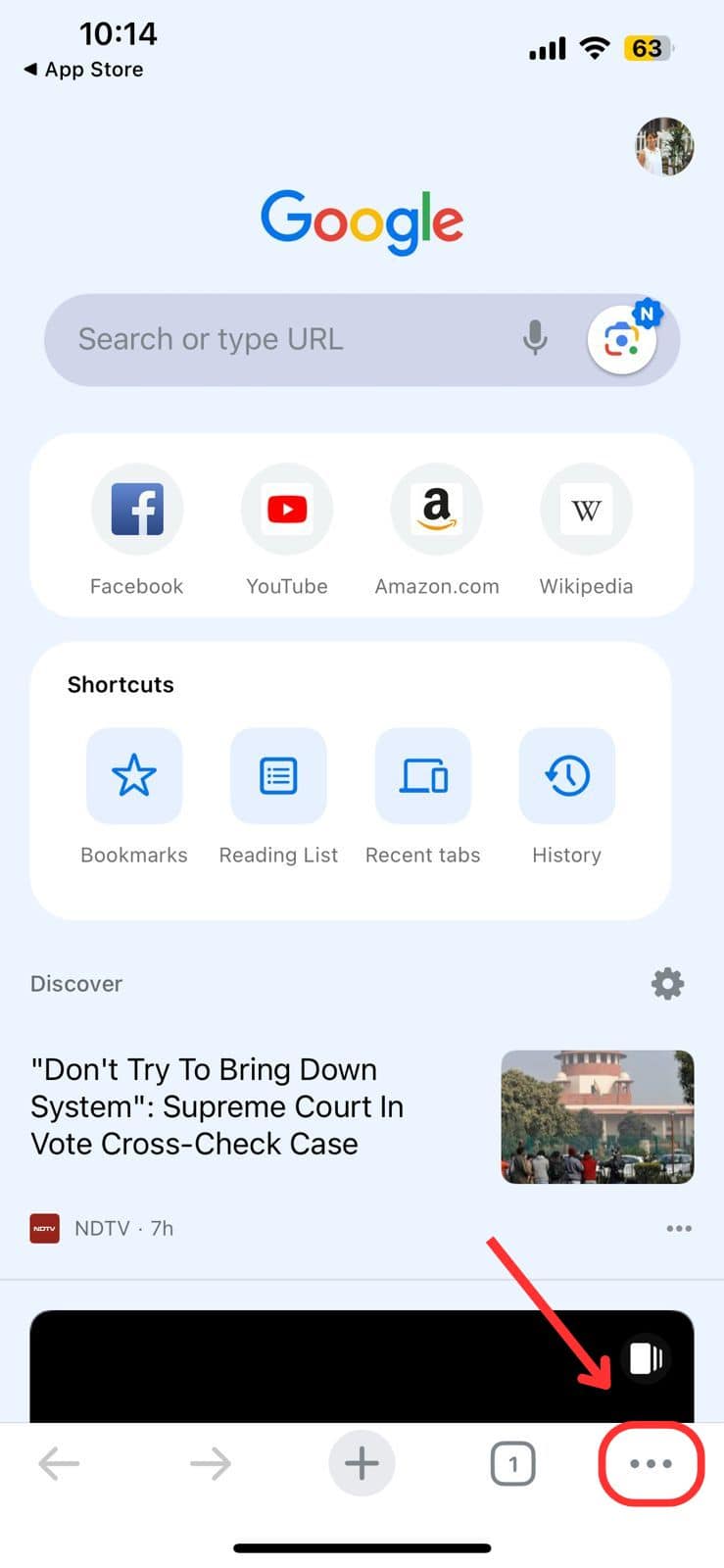
- Open Google Chrome and tap on the three Dots.
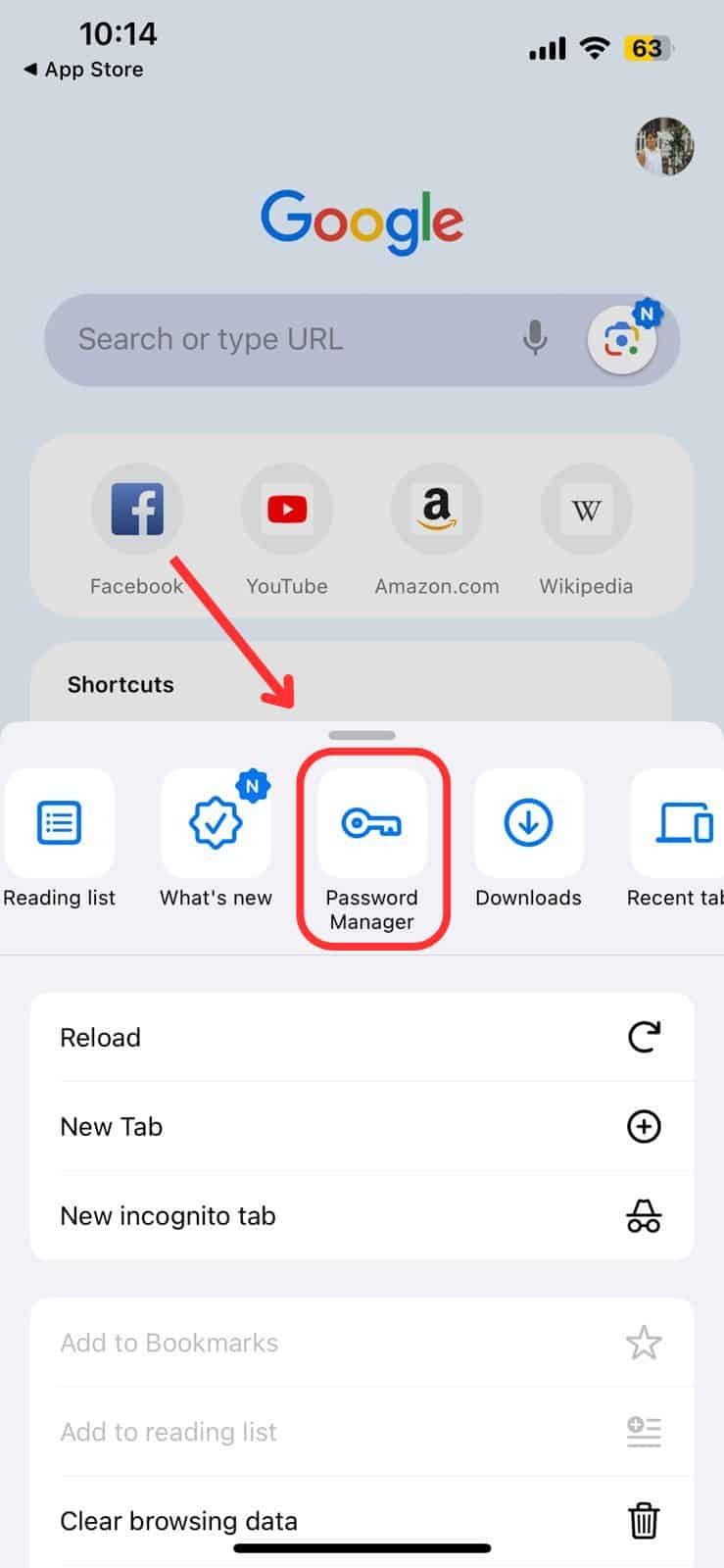
- Then select Password Manager from the menu.
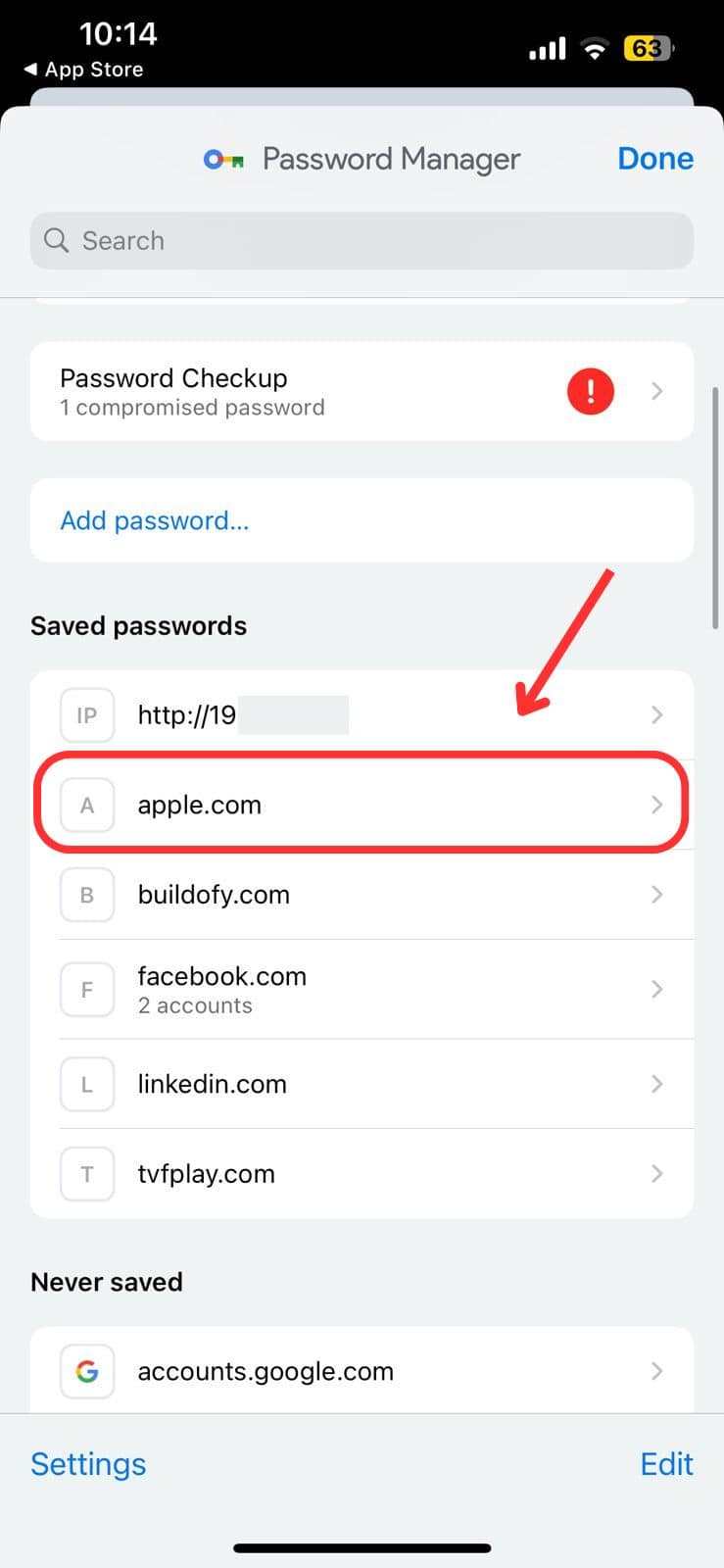
- Now, look for Apple.com and tap on it.
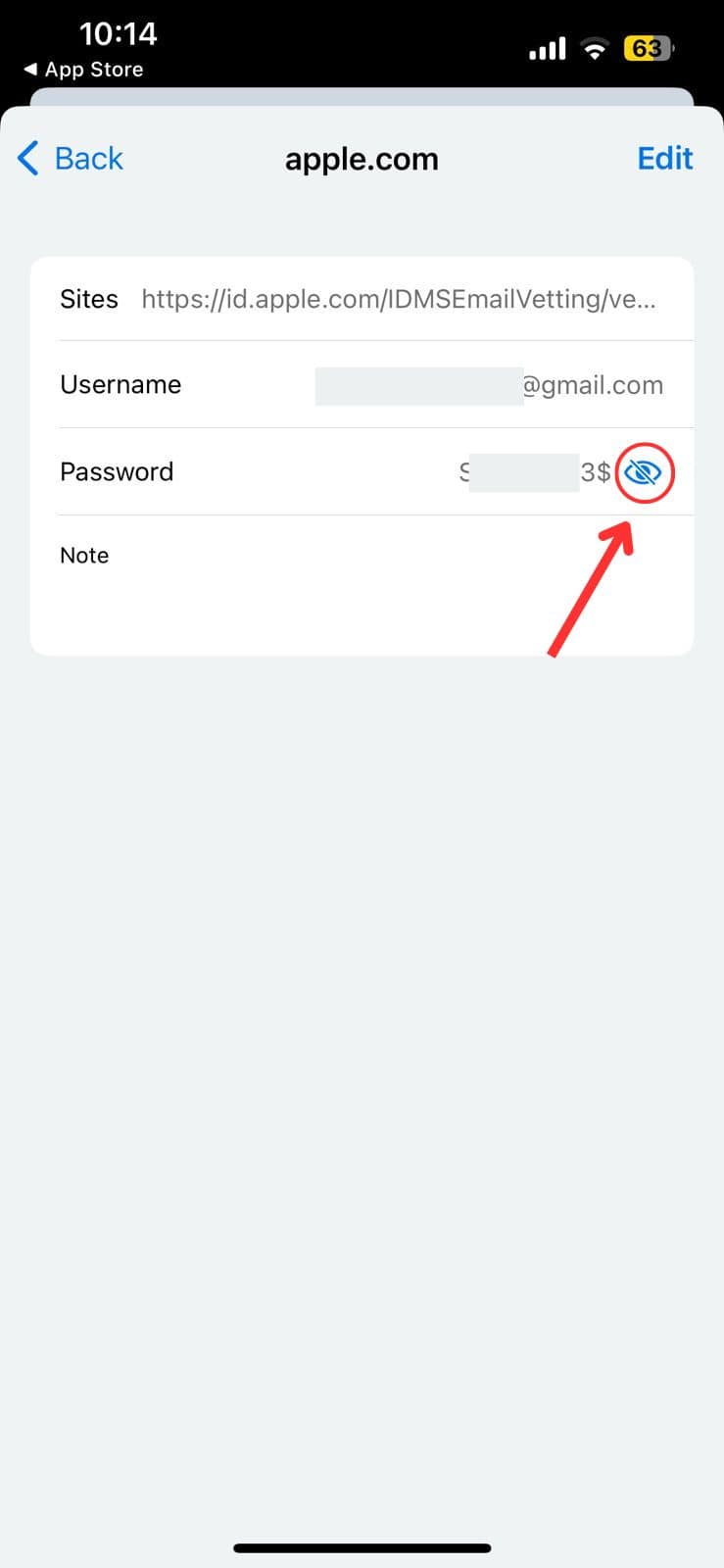
- To reveal the password, just tap on the Eye Icon.


2.2 Firefox
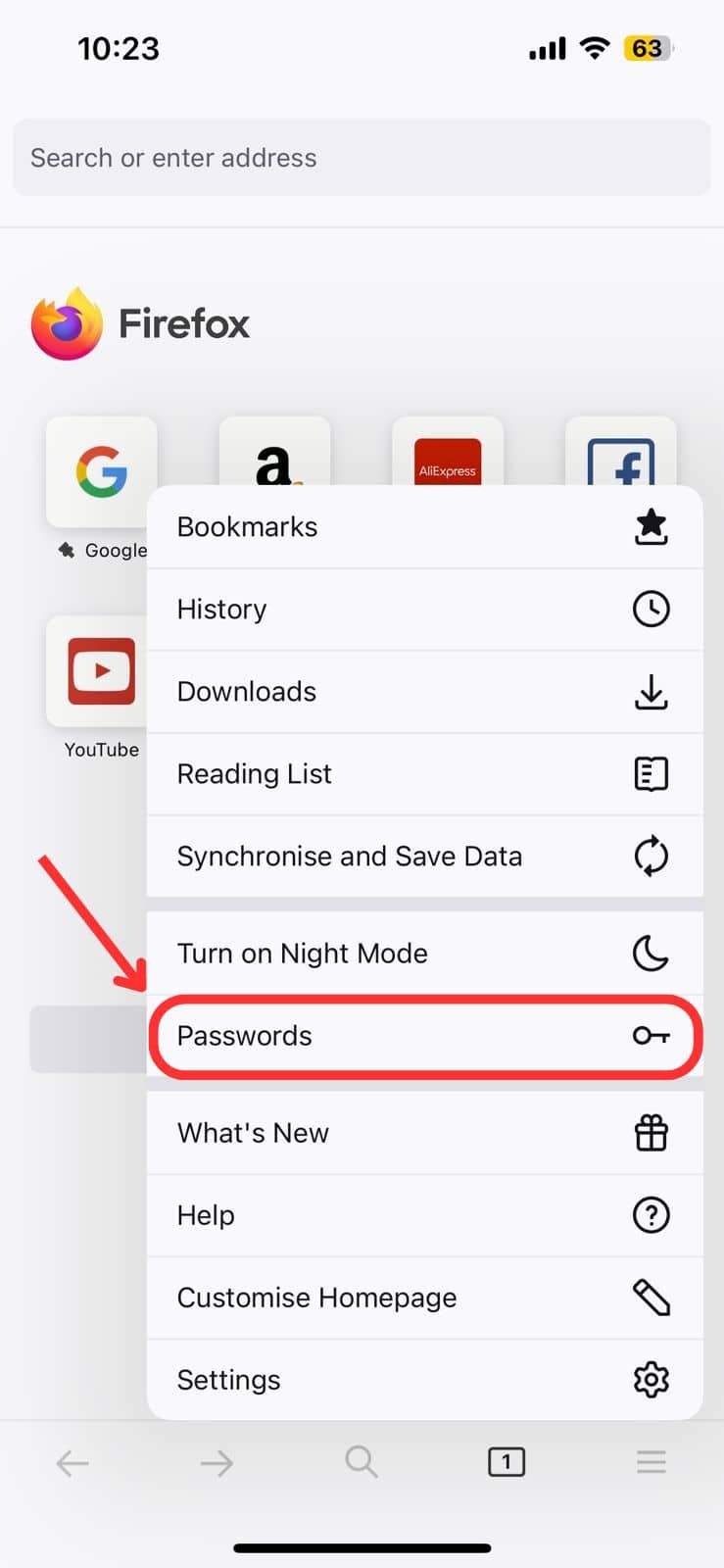
- Open Firefox and then tap on three lines.

- Choose Passwords from the menu.
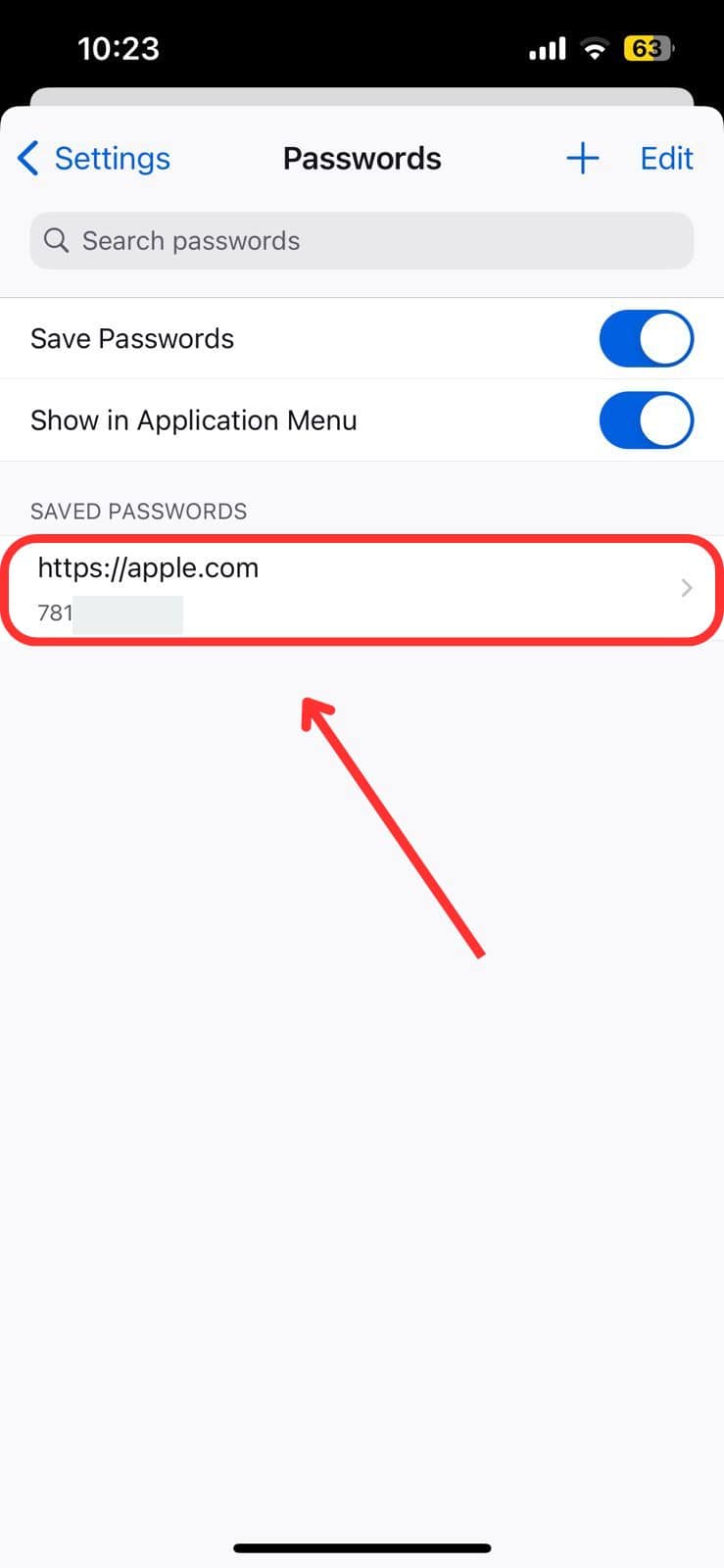
- Lookout for Apple.com in the list.
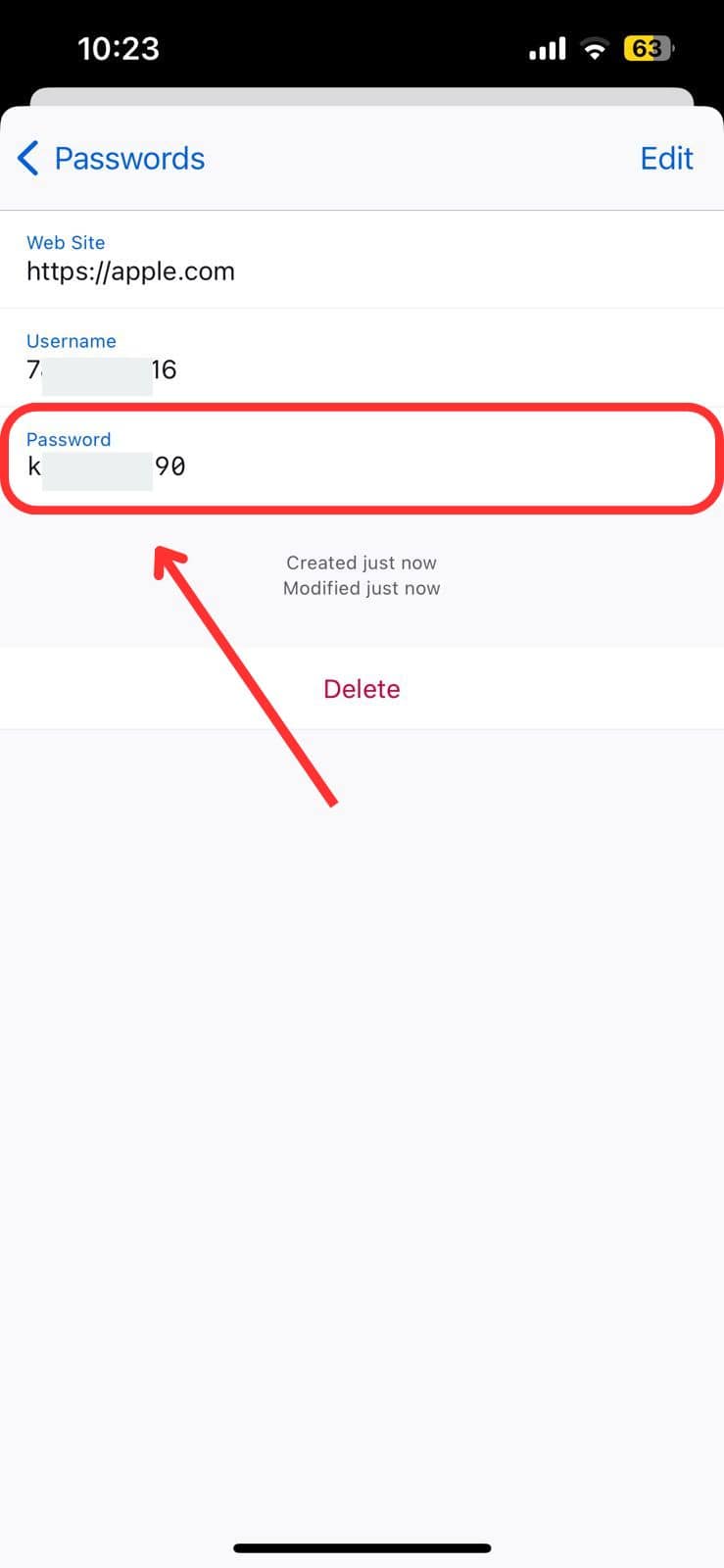
- Click on Password field to see it.


2.3 Microsoft Edge
- Open Microsoft Edge and tap on three lines.
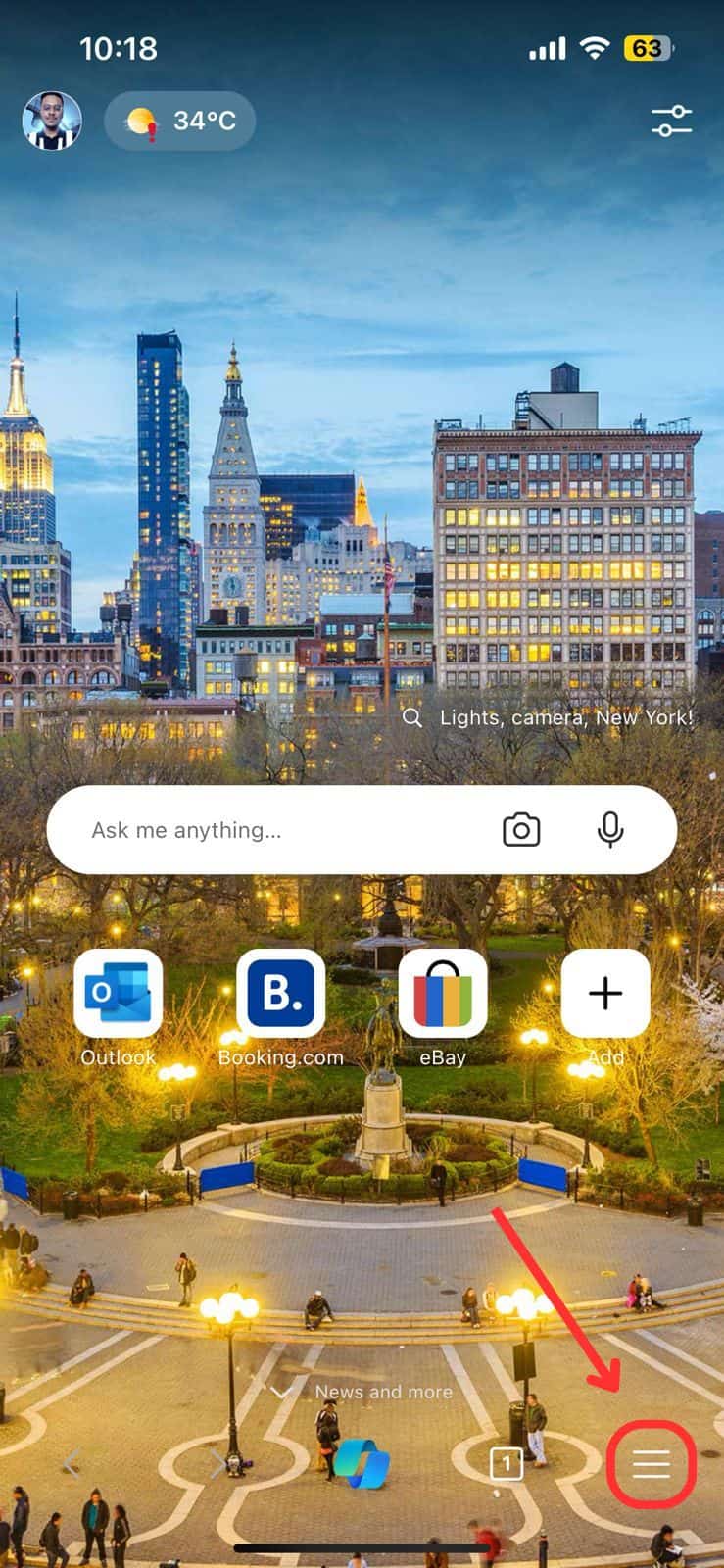
- Then select Settings from the menu.
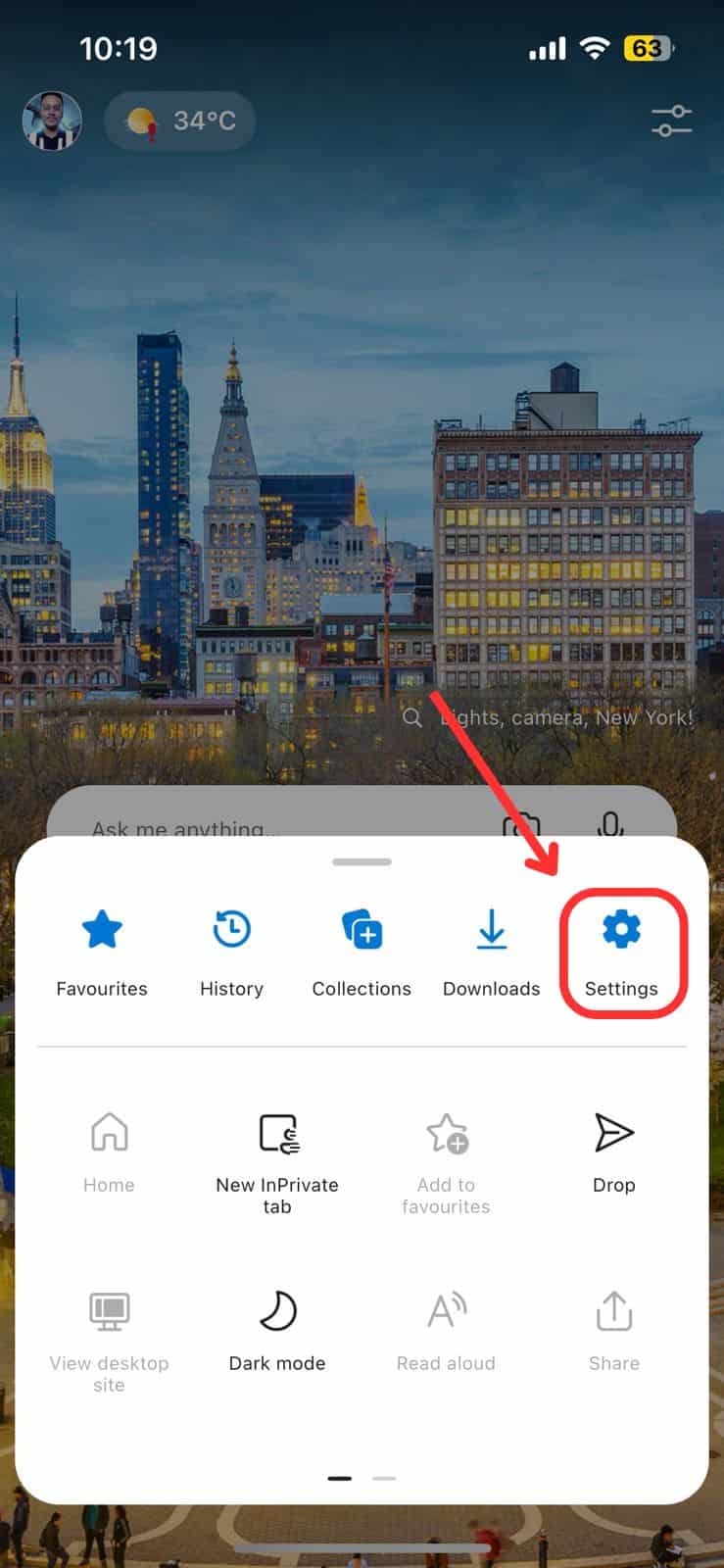
- Click on your Account.
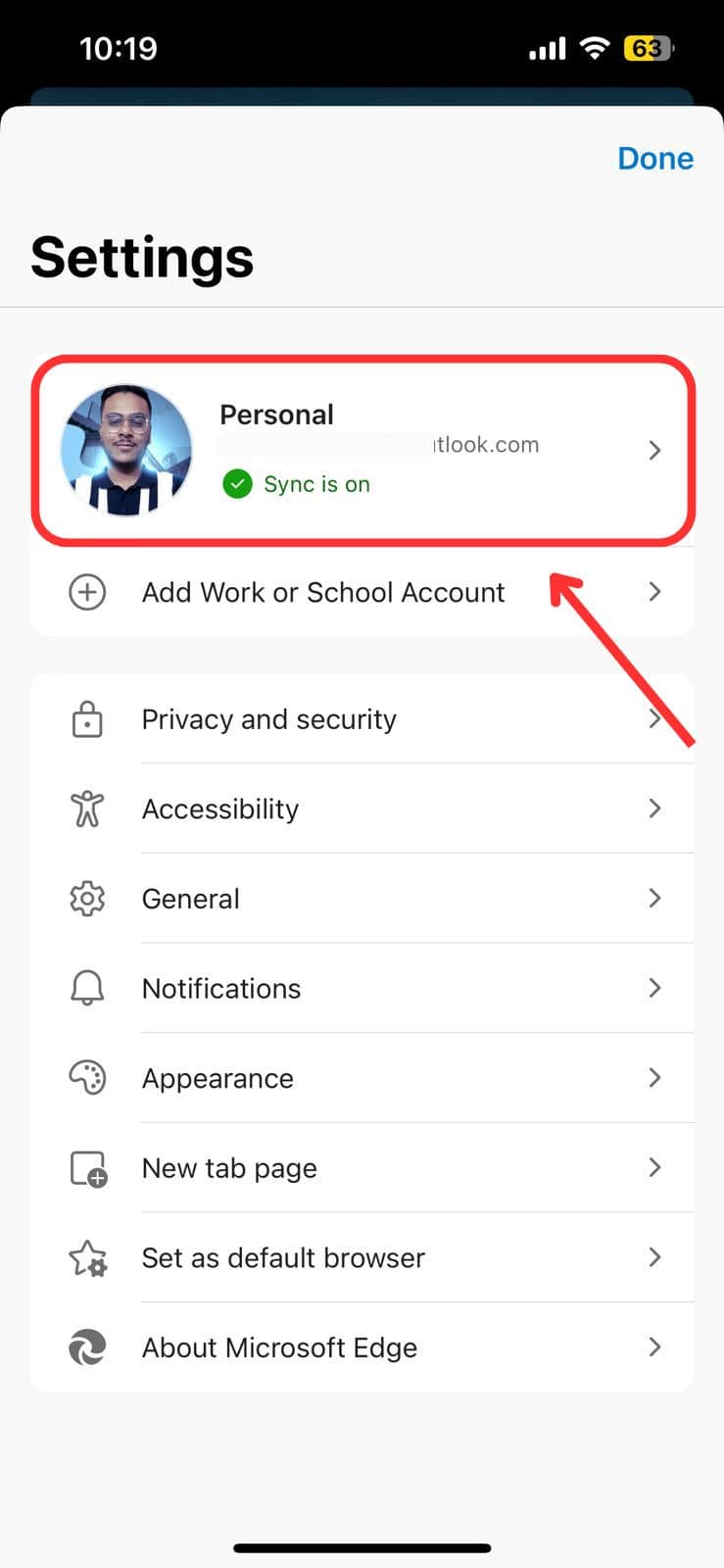
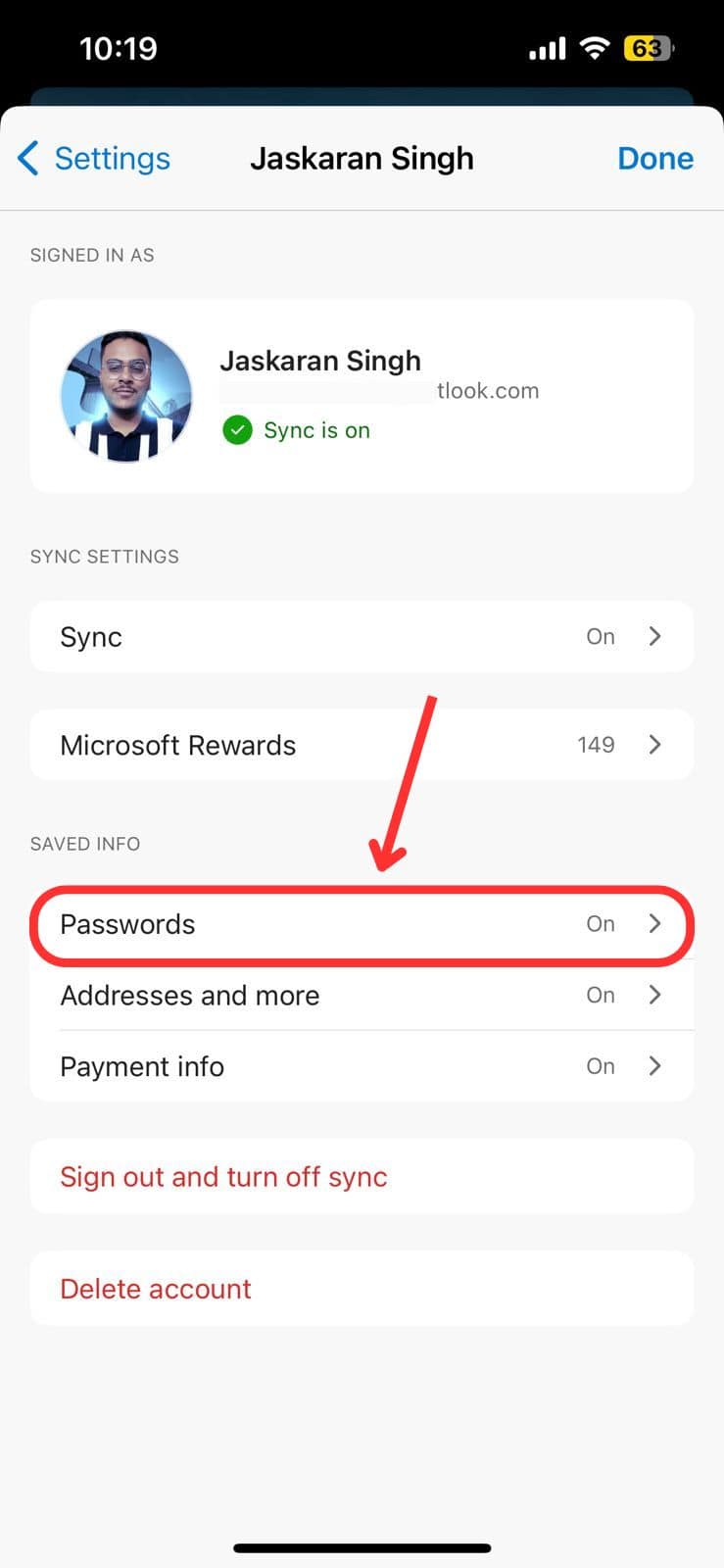
- Here you will see Passwords, just tap on it.
- Now, search for Apple.com from your saved password list.
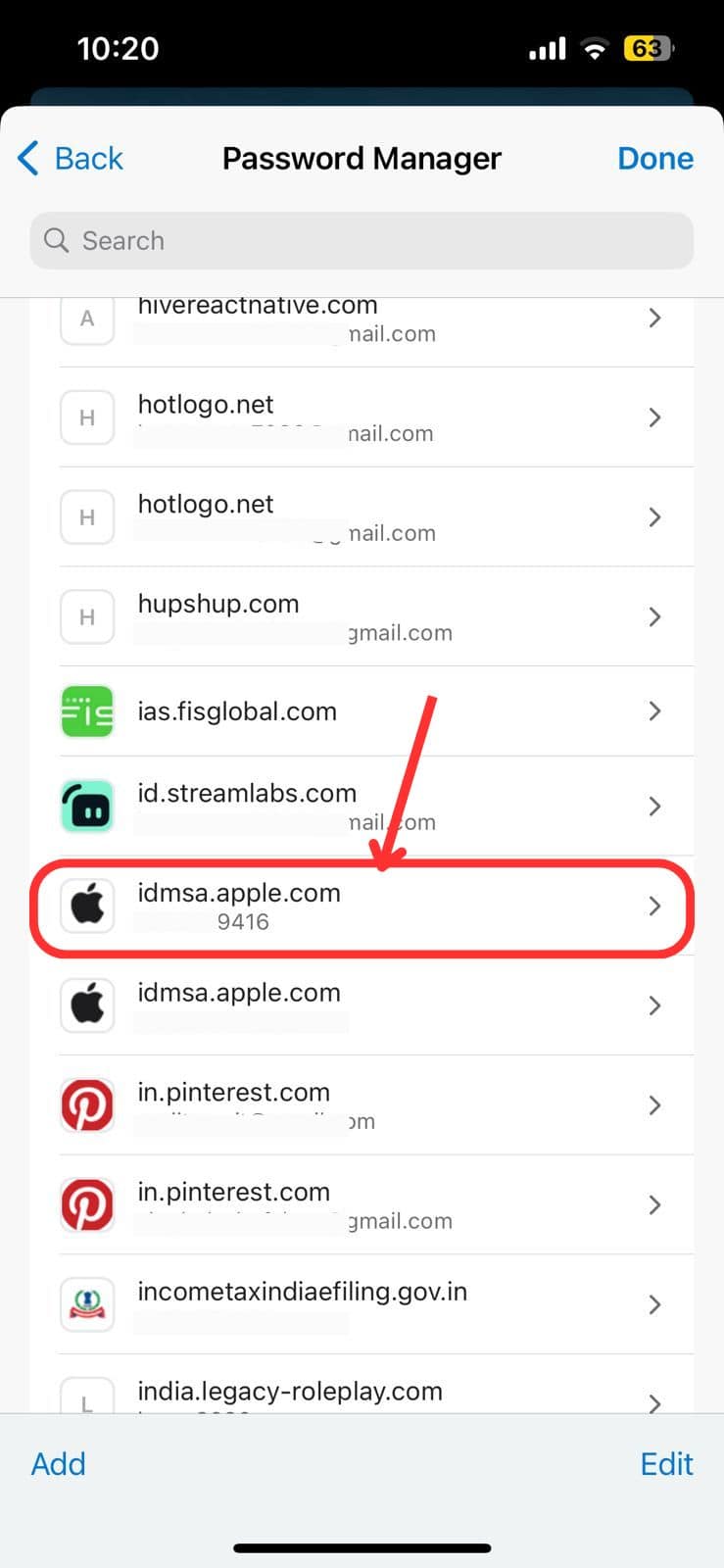
- Click on Eye Icon to see your password.


3. Find Apple ID Password via System Settings
You can also try your luck with iCloud Keychain or Safari AutoFill on your Mac. There’s a good chance that they have your login credentials. Starting with macOS Ventura, all saved passwords move to a centralized section in System Settings. It’s synced across devices, so even if you saved it on iPhone, your Mac might still have it.
- Open System Settings > General on your Mac.
- Scroll down and select Passwords.
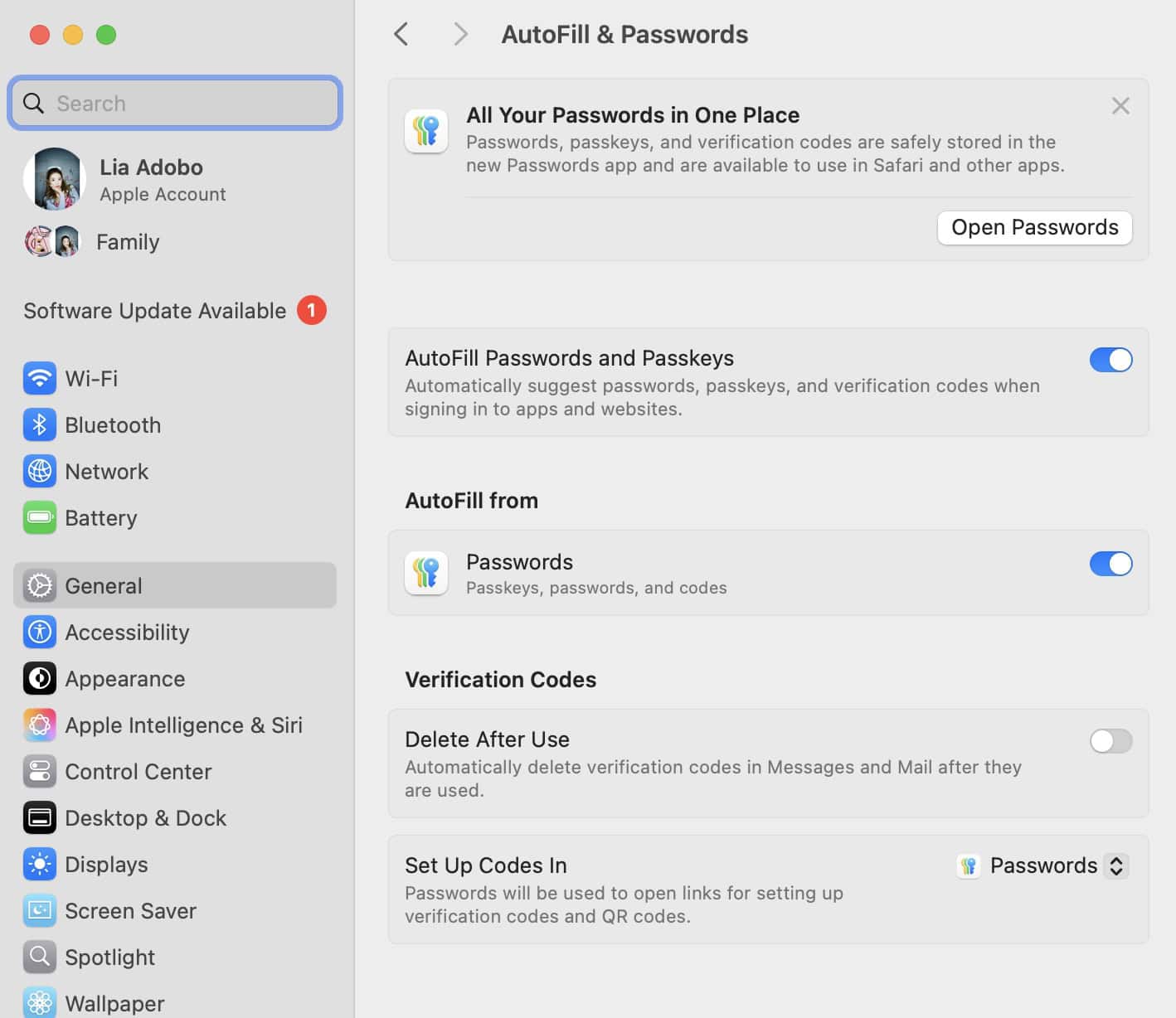
- Authenticate using Touch ID or your Mac password.
- Use the search bar and type apple.com or Apple ID.
- Click the matching result to view your saved credentials.

4. Use iCloud Passwords App or Extension on Windows
You don’t necessarily need a Mac to recover lost credentials. If you have iCloud for Windows, the Passwords app gives you access to stored Apple ID credentials directly from your PC. Chrome and Edge extensions make password lookup convenient on any OS.
- Download iCloud for Windows from Apple or the Microsoft Store.
- Open the app and sign in with your Apple ID.

- Under sync options, enable Passwords.
- Launch iCloud Passwords from your Start menu.
- Search for your Apple ID and view the stored password.

5. Check Third-Party Password Managers
You might have moved away from iCloud Keychain to tools like 1Password, Bitwarden, or LastPass. They likely contain your login credentials. Most managers support biometric login, so you can access stored entries without resetting anything.
- Open your password manager of choice.
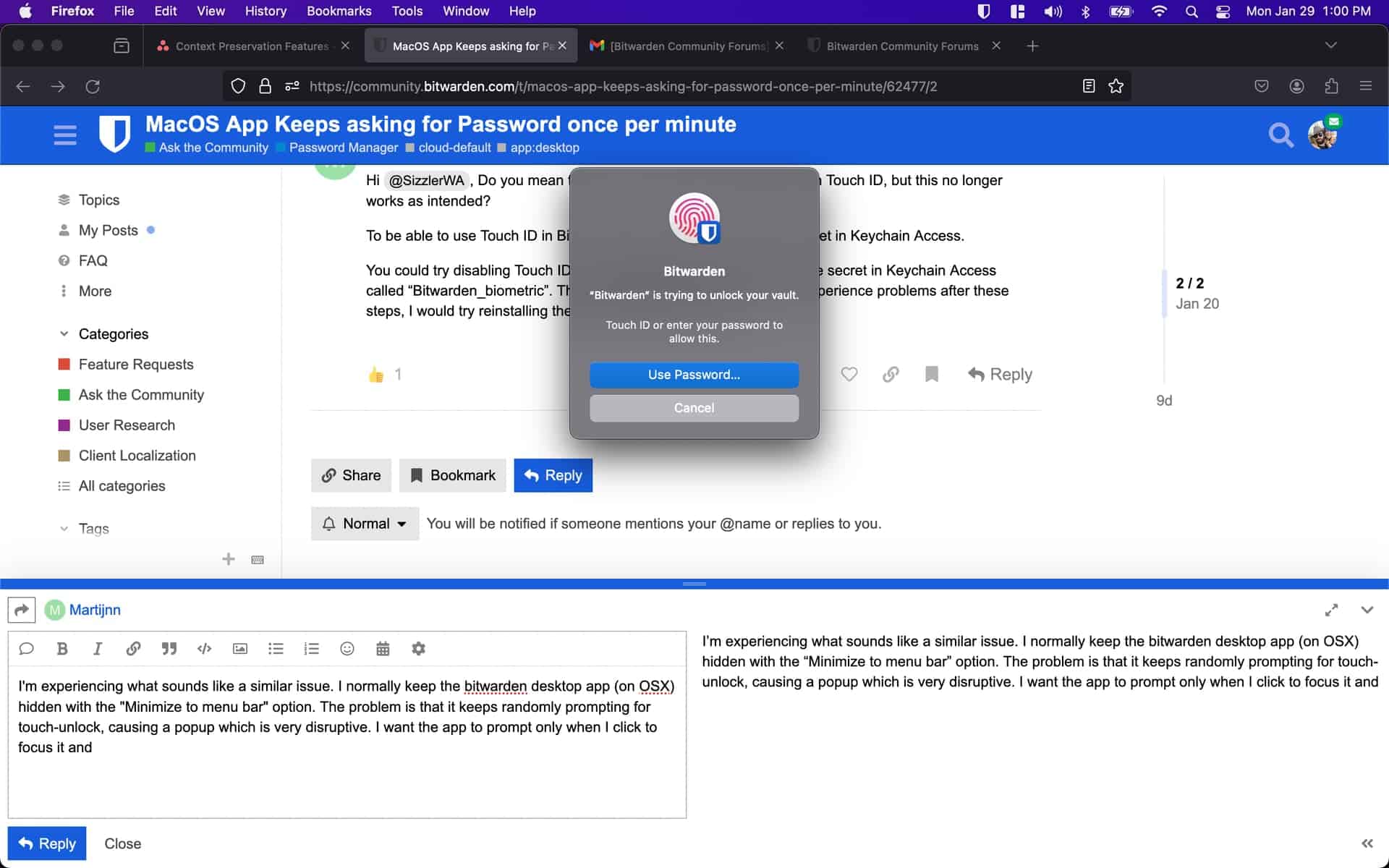
- Search for apple.com or Apple ID in the vault.
- Unlock using Face ID or your passcode.
- Tap the saved login entry to reveal your credentials.
- Use copy or auto-fill for secure input.

6. Ask a Trusted Family Member via Family Sharing
If you have someone in your Recovery Contacts list, you can use their device to help restore access. This doesn’t reveal your password, but it starts the Apple-approved process for account recovery without going through email or security questions. It’s safer than a traditional reset and much faster if you’re locked out.
- On your recovery contact’s device, open Settings.
- Tap their name > Sign-In & Security > Account Recovery.
- Under Recovery Contacts, they’ll see your name listed.
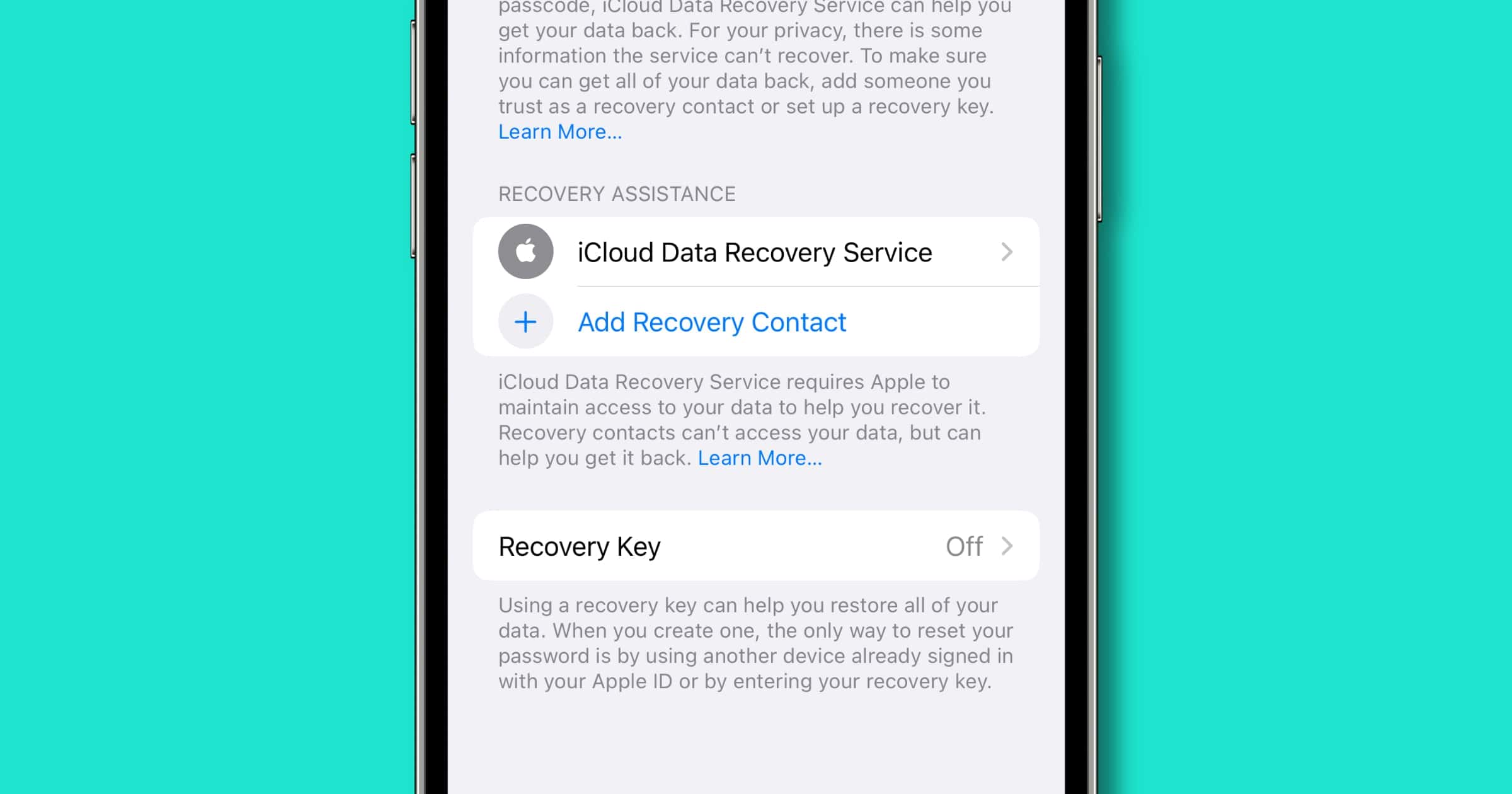
- Tap your name and choose Help [Your Name] Recover Account.
- Follow the prompts to start the recovery process.

Should issues persist, call Apple Support. They won’t know your login credentials, of course, but they can guide you through a few more account-specific troubleshooting steps. Likewise, you can just reset your Apple ID. It isn’t really that hard, and for me, the biggest hassle is actually coming up with a new password.



Discussion