

Quick take: iPhone Air is Apple’s thinnest, lightest modern iPhone. It keeps a gorgeous 6.5″ 120 Hz OLED and flagship‑class speed, but it trims battery capacity and camera versatility to get there. For people who value comfort and minimalism over everything, it feels special. For most buyers, the standard iPhone 17 or 17 Pro are the safer choices.
Why it matters: This is Apple’s boldest hardware statement in years — a titanium phone that’s just 5.6 mm thin and 165 g, designed for all‑day comfort in hand and pocket.
At a glance: who should (and shouldn’t) buy iPhone Air
- Buy it if you want the lightest, thinnest iPhone experience with a premium 120 Hz display and fast A19‑class performance, and you mostly shoot standard photos.
- Skip it if you need long battery life, an ultrawide or telephoto camera, or the absolute best connectivity and I/O.
- Better fits: See our which iPhone 17 to buy explainer and our Air vs 17 Pro differences that matter.
What reviewers agree on
- “Whoa” factor thinness: It genuinely feels shockingly light the first time you pick it up.
- Great display + speed: Same 6.5″ LTPO OLED at 120 Hz as the Pro class and A19‑grade performance in daily use.
- Trade‑offs are real: Smaller battery means average endurance, and there’s just one rear camera (48 MP main) — no ultrawide/telephoto.
- Runs warm under load: No vapor chamber like the Pros, so you’ll feel a hot spot during gaming or heavy tasks.
- Premium but pared back: Titanium build feels rigid and durable, yet some premium extras are missing (no mmWave 5G, USB 2.0 data).
Design & build: ultra‑minimal titanium
Why it stands out: A 5.6 mm profile and ~165 g weight make the Air dramatically easier to carry and use one‑handed than most flagships. The titanium frame and Ceramic Shield glass keep it rigid and scratch‑resistant, avoiding “bendgate” paranoia. If comfort and pocketability are your top priorities, this design delivers.
Don’t miss the best of The Mac Observer
Set us as a preferred source and our Apple reporting ranks higher in your Google Search results and Discover feed — one tap, no account changes.
More impressions in our hands‑on overview: iPhone Air is the comfort‑first iPhone and our launch recap: iPhone Air announced.
Display & performance
The 6.5″ 120 Hz OLED is bright, fluid, and on par with Apple’s Pro displays. The A19‑class chip (slightly cut versus Pro) keeps iOS silky in everyday use. Under sustained gaming or benchmarks, the thin chassis can feel hot and may throttle sooner than a 17 Pro, but app and UI performance remain excellent for typical users.
Cameras: one good lens, less versatility
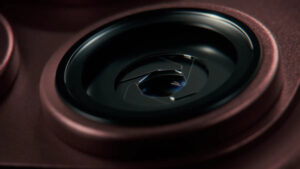
The reality: You get a single 48 MP main camera. Image quality is solid in good light and respectable at night, but without an ultrawide or telephoto you lose creative framing and optical zoom. If you shoot a lot of landscapes, tight portraits, or macro, a 17/17 Pro is a better match. Keep an eye on Apple’s promised software fix for a rare LED‑light camera glitch: iPhone Air camera fix status.
Battery life
Everyday use: Light and moderate users can get through a day; heavy users will likely need a late‑day top‑up. Thinness limits capacity, so expect quicker aging compared with bigger‑battery models. If stamina matters, consider the 17 Pro/Pro Max.
Connectivity & I/O footnotes
- 5G: Sub‑6 GHz support only; mmWave is omitted.
- USB‑C: Capped at USB 2.0 data speeds.
- Accessories: Apple’s slim MagSafe battery is tailored for Air, useful in a pinch but not a full refill.
Price & value
At $999, Air actually costs more than iPhone 17 while delivering fewer cameras, shorter battery life, and slower wired I/O. You’re paying a premium for extreme thinness and comfort. For many, the iPhone 17 is the better value; power users should step up to 17 Pro.
Pros & cons
Pros
- Phenomenally thin and light; genuinely easier for one‑handed use
- Beautiful 6.5″ 120 Hz OLED with flagship brightness
- Fast everyday performance from A19‑class chip
- Titanium + Ceramic Shield construction feels rigid and premium
- Distinctive, “statement” design
Cons
- Mediocre battery life for heavy users
- Single rear camera; no ultrawide or telephoto
- Runs warm under sustained loads
- No mmWave 5G; USB‑C limited to USB 2.0 data
- Priced higher than iPhone 17 despite fewer features
Bottom line
Verdict: iPhone Air nails the “carry it all day” brief and feels delightful in hand. If you rarely use ultrawide/telephoto lenses and you’re OK charging more often, it’s a satisfying, design‑forward pick. Everyone else will be happier with iPhone 17 for value or 17 Pro for capability. See our two‑week iPhone 17 Pro review and which iPhone 17 to buy for alternatives.



Discussion