
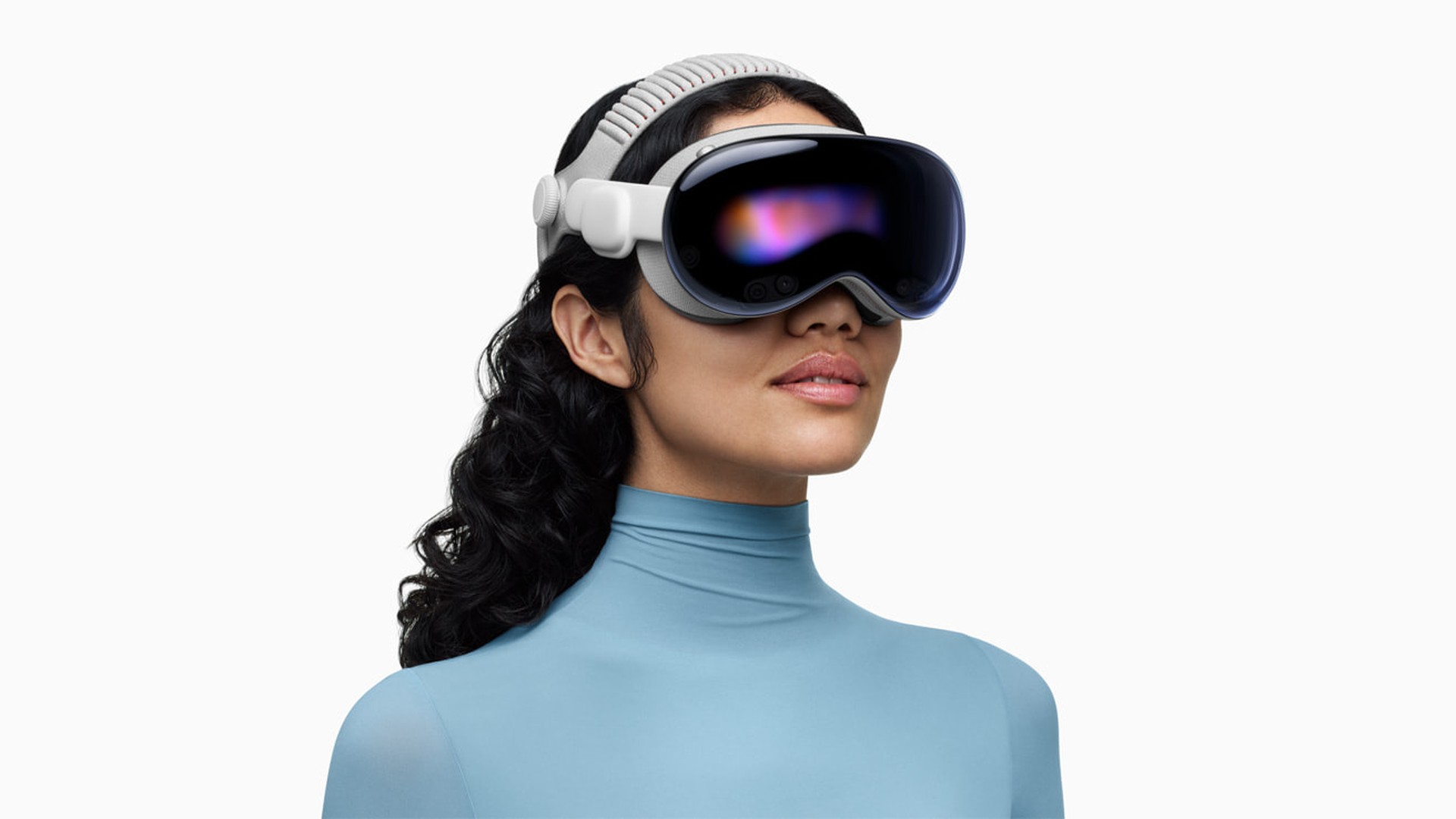
Apple CEO John Ternus is making the case that Vision Pro should be judged as the start of a new computing platform, not as a finished mass-market product. His defense focuses on the specialized work people are already doing with the headset and the time new categories need to develop.
In a Clique TV interview, Ternus compared the current stage of spatial computing with the early years of personal computers. He pointed to surgeons using Vision Pro during procedures and film production teams using it for set development, while describing the category as being near the beginning of a much longer journey.
That argument shifts the measure of success away from immediate mainstream adoption. A headset can remain expensive and uncommon while still proving useful in jobs where a large spatial display, three-dimensional visualization, or hands-free access to information offers an advantage. Ternus also said early adopters enjoy the product and that new use cases continue to emerge.
Don’t miss the best of The Mac Observer
Set us as a preferred source and our Apple reporting ranks higher in your Google Search results and Discover feed — one tap, no account changes.
The product still faces a difficult gap
Apple’s current M5 Vision Pro starts at $3,499 in the United States. Apple says more than one million apps are available on the device, including more than 3,000 built specifically for visionOS. Those figures show an ecosystem, but Apple does not publish regular headset sales or active-user totals.
The hardware has not changed since the M5 update, although visionOS 27 added new software features. Separately, reporting says Ternus approved a narrower Vision roadmap centered on smart glasses, leaving the timing of another headset uncertain.
Ternus’s comments explain why Apple may keep investing in spatial computing, but they do not establish broad consumer demand. Apple has not announced a cheaper Vision Pro, a successor, or a release date for new Vision hardware.
For now, his case rests on patient platform building and valuable professional uses rather than evidence that Vision Pro is ready to become an everyday consumer device.

Discussion