
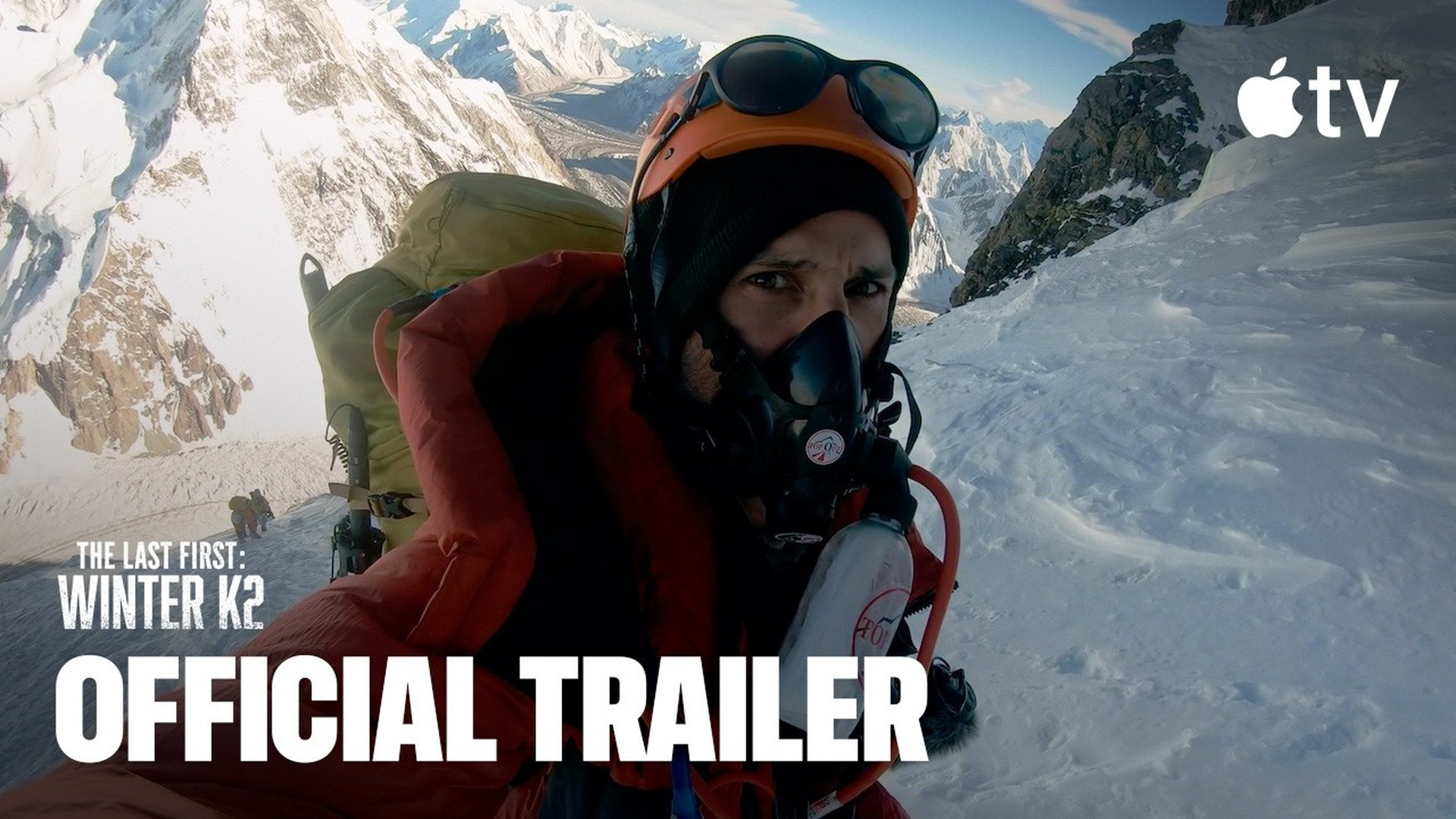
Ali Sadpara and John Snorri attempted K2 in winter because the ascent represented one of high-altitude mountaineering’s last major firsts. Every other 8,000-meter peak had been climbed in winter, while K2’s violent weather, technical route and extreme cold had kept that achievement open.
The goal carried different personal meanings. Snorri had already climbed K2 in summer and returned to test himself against its hardest season. Sadpara, one of Pakistan’s leading high-altitude climbers, wanted a historic winter summit connected to his home country. Reporting after the expedition quoted his son Sajid explaining that his father wanted the achievement for Pakistan because K2 was their mountain.
- Release date: October 2, 2026
- Episode: Documentary film
- Title: The Last First: Winter K2
- Genre: Documentary and adventure
- Streaming on: Apple TV
K2 was the last unclimbed 8,000er in winter
K2 rises to 8,611 meters on the Pakistan-China border. It is lower than Everest but demands sustained technical climbing, with exposed sections where a mistake can be fatal. Winter adds hurricane-force winds, severe cold, shorter weather windows and conditions that can make rescue almost impossible.
Don’t miss the best of The Mac Observer
Set us as a preferred source and our Apple reporting ranks higher in your Google Search results and Discover feed — one tap, no account changes.
That combination made a winter summit unusually prestigious. In January 2021, a Nepali team completed the first winter ascent before Sadpara and Snorri’s final push. Their original chance to claim the absolute first had gone, but a winter ascent without supplemental oxygen and a landmark Pakistani success still carried enormous meaning.
Sadpara saw a national achievement on a Pakistani mountain
Sadpara had spent years working and climbing in the Karakoram. The international industry often celebrated foreign summit leaders while Pakistani high-altitude workers received less recognition. Reaching K2 in winter would place a Pakistani mountaineer at the center of the mountain’s history rather than at the edge of someone else’s expedition.
Sajid joined his father and Snorri on the attempt. Chilean climber Juan Pablo Mohr later moved with them during the summit push. The group faced only a narrow weather window, which increased the pressure to keep moving once they left Camp 3.
The ambition explains the documentary’s title
The Last First refers to the shrinking number of genuinely new achievements in commercialized high-altitude climbing. Director Amir Bar-Lev uses this expedition to examine the ambition, economics and changing culture around those claims, not merely to celebrate risk.
The climbers were also operating in a crowded, changing commercial environment. The documentary examines how national pride, sponsorship, media attention and the desire for a record can sit beside genuine love of the mountain. Neither man needed K2 to prove basic competence. They pursued winter because it represented a boundary that remained meaningful after decades of Himalayan exploration.
The attempt ended with Sadpara, Snorri and Mohr disappearing high on K2. Their purpose does not erase that tragedy, but it explains why experienced climbers accepted such severe danger. Does the documentary change how you view record-driven mountaineering? Tell us below.



Discussion