
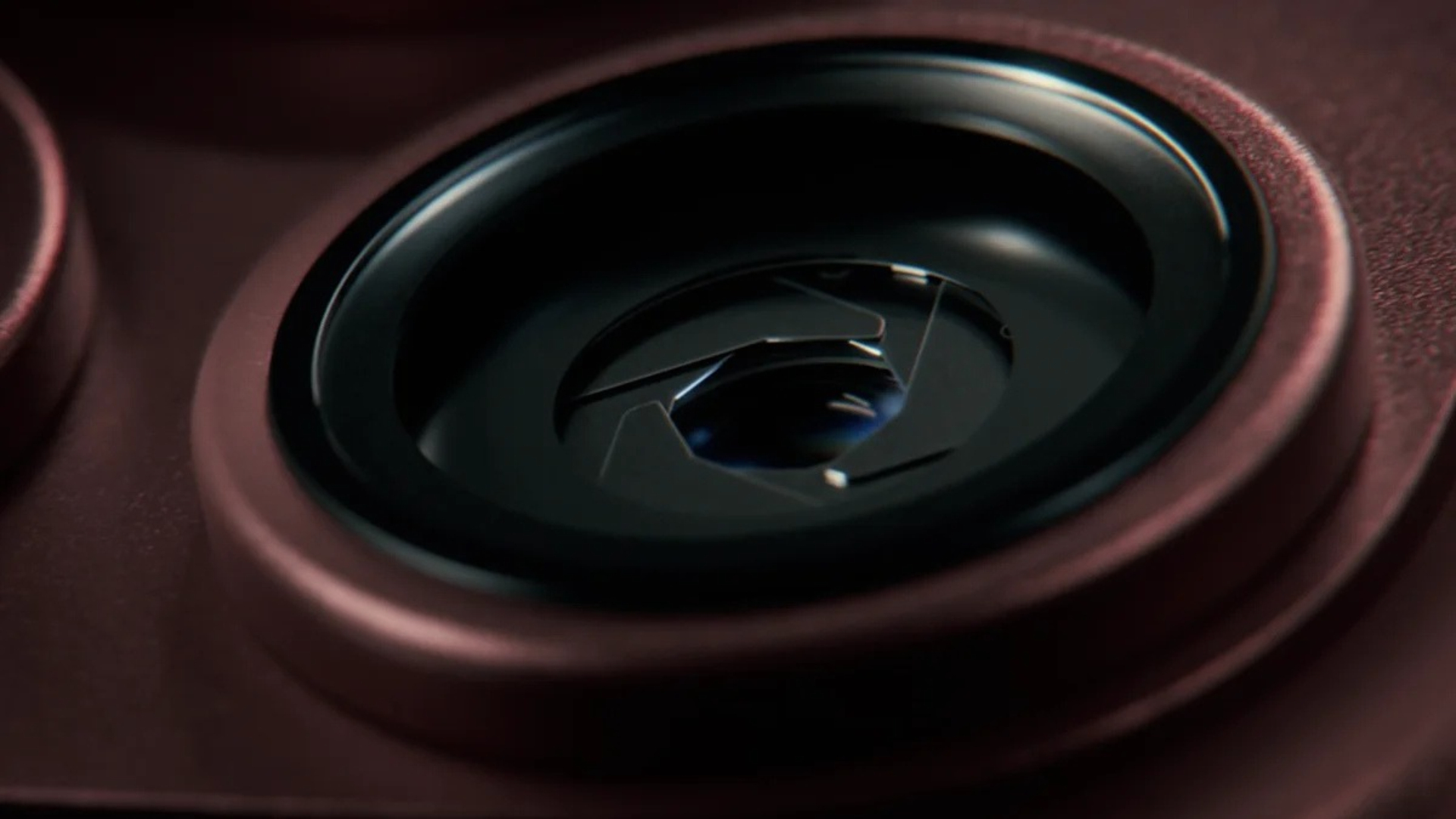
The iPhone 18 Pro’s wider main-camera aperture gives night video more light to work with before computational processing begins. That can help preserve detail and reduce noise, although it does not remove the limits of handheld shooting in dark scenes.
TechRadar’s iPhone 18 Pro and Pro Max camera testing included low-light scenes and video across several focal lengths. The review found the wider maximum aperture useful after sunset, alongside Apple’s processing and stabilization improvements.
The main camera can open to f/1.48, admitting more light than the fixed f/1.78 lens on the previous Pro generation. In video, that extra light can give the camera more information for each frame because it cannot use the multi-second exposure available to a Night mode photo.
Don’t miss the best of The Mac Observer
Set us as a preferred source and our Apple reporting ranks higher in your Google Search results and Discover feed — one tap, no account changes.
Aperture is only one part of the result
Night footage also depends on shutter speed, stabilization, sensor processing and the amount of movement in the scene. Opening the lens wider may reduce noise, but bright signs and streetlights can still clip, and moving subjects can remain difficult to capture cleanly.
Users who want manual control can adjust the variable aperture and white balance before recording. MacObserver has separate instructions for using variable aperture and setting white balance on iPhone 18 Pro.
The test supports a practical advantage in low light, but it is not a controlled comparison against every earlier iPhone. Buyers should treat it as one real-world example rather than a universal measure of night-video quality.
Recording a short test clip at each aperture is the safest way to compare noise, highlight handling and focus behavior in the actual scene.




Discussion