Slow Horses Season 6 Episode 4 Ending Explained: Who Is Frank Harkness Really Working For?

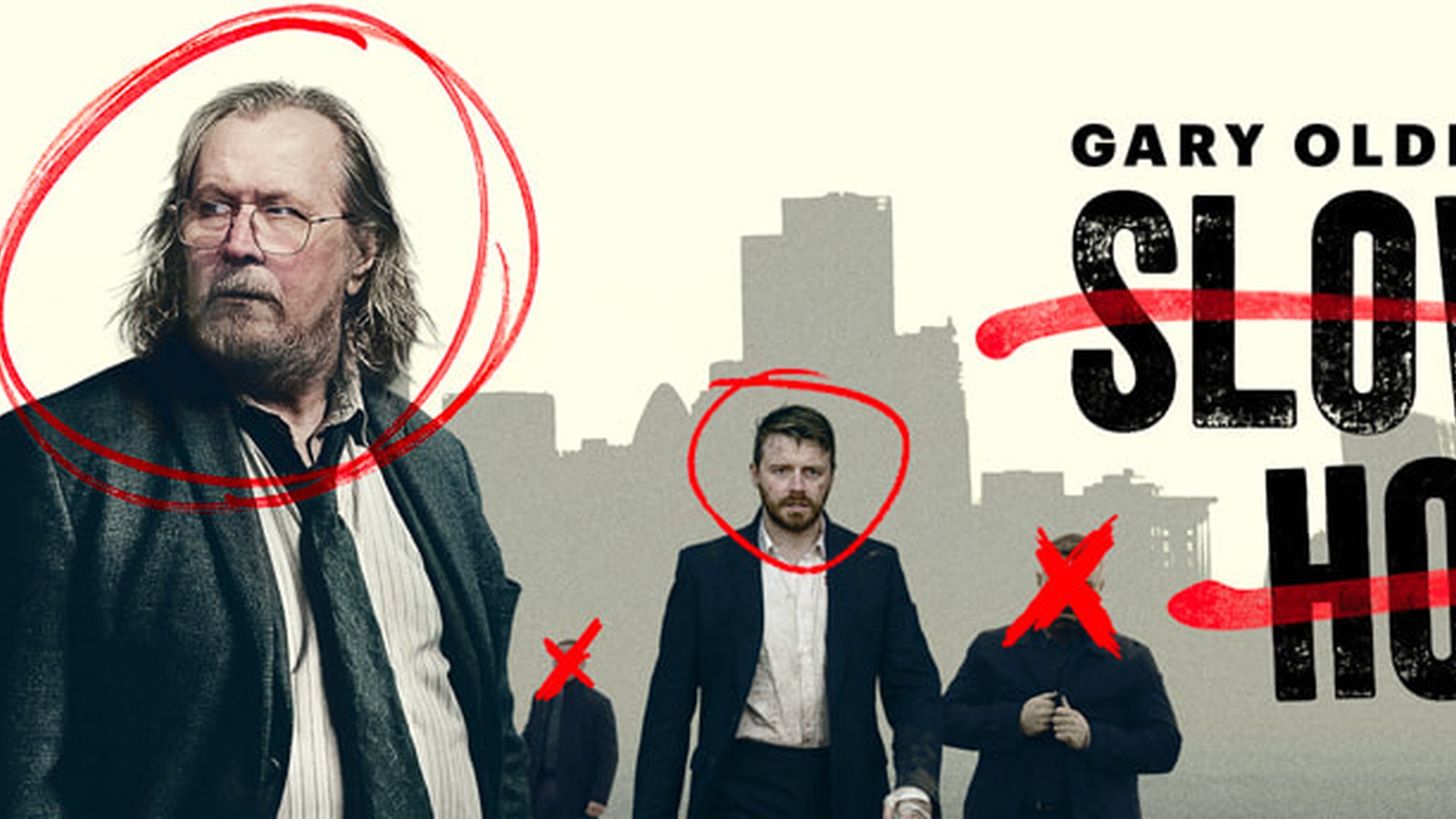
Jackson Lamb and the Slough House agents in Slow Horses Season 6
Image courtesy of Apple TV

Spoiler warning: This article discusses events through S06E04.

Frank Harkness is working for Damien Cantor in Episode 4, but only on the Nesmith cleanup. Cantor uses the mercenary to silence Reece Nesmith and contain the evidence left by Reece’s father, Andy.

That distinction matters because the season contains more than one hostile operation. Harkness is dangerous, yet the campaign against the Slow Horses is not simply one contract with one mastermind.

Don’t miss the best of The Mac Observer

Set us as a preferred source and our Apple reporting ranks higher in your Google Search results and Discover feed — one tap, no account changes.

Or get it by email

Damien Cantor hired Harkness for cleanup

Andy Nesmith stole physical files identifying current and former Slough House agents. Cantor needs the theft and its consequences contained, so Frank becomes the deniable man sent to remove loose ends.

Lamb understands that Reece is valuable because he has his father’s burner phone and can connect the violence to whoever gave the order. He pairs Reece with Roddy Ho, then uses the boy as bait to force the hidden chain of command into view.

Reece turns the burner phone into leverage

Reece calls the only number on the burner and demands £100,000 for silence. Cantor responds by passing the problem to Frank, confirming the working relationship without requiring either man to make a clean confession.

The public meeting at a Camden Shake Shack is classic Lamb. He turns a handoff into surveillance, uses a smoking disturbance to get Reece out, and follows Frank back toward Cantor instead of accepting the mercenary as the end of the trail.

The Russian operation is a separate threat

Cantor wanted access and a Russian deal, and the stolen list becomes valuable beyond his immediate purpose. The GRU’s retaliation against names on that list is therefore related to his scheme without being identical to Frank’s assignment.

Episode 4 answers one question while widening another. Harkness serves Cantor, but the list has escaped their control, leaving Slough House exposed to enemies who have their own reason to kill.

That distinction matters because a headline can flatten a complicated episode into one revelation. Here, the surrounding choices are as important as the answer itself. The story repeatedly shows people acting with partial information, then discovering that a decision made for protection, loyalty or survival has created a different risk for somebody else.

It also keeps the next chapter from feeling predetermined for everyone. The immediate event has a clear meaning, but it does not settle every motive or repair every damaged relationship. Any follow-up has to deal with what the characters now know, what they still misunderstand and whether they are prepared to change their behavior.

The episode’s strongest idea is that information changes relationships only when characters decide what to do with it. The facts answer the immediate question, but the consequences remain active beyond the final scene.

What did you make of this development, and where do you think the story goes next? Share your view in the comments.


Discussion

Join the discussionCommenting as a guest — your email is never published · Log in

Protected by Akismet — be kind, stay on topic.

This site uses Akismet to reduce spam. Learn how your comment data is processed.

Slow Horses Season 6 Episode 4 Ending Explained: Who Is Frank Harkness Really Working For?

Jackson Lamb and the Slough House agents in Slow Horses Season 6
Image courtesy of Apple TV

Spoiler warning: This article discusses events through S06E04.

Frank Harkness is working for Damien Cantor in Episode 4, but only on the Nesmith cleanup. Cantor uses the mercenary to silence Reece Nesmith and contain the evidence left by Reece’s father, Andy.

That distinction matters because the season contains more than one hostile operation. Harkness is dangerous, yet the campaign against the Slow Horses is not simply one contract with one mastermind.

Don’t miss the best of The Mac Observer

Set us as a preferred source and our Apple reporting ranks higher in your Google Search results and Discover feed — one tap, no account changes.

Or get it by email

Damien Cantor hired Harkness for cleanup

Andy Nesmith stole physical files identifying current and former Slough House agents. Cantor needs the theft and its consequences contained, so Frank becomes the deniable man sent to remove loose ends.

Lamb understands that Reece is valuable because he has his father’s burner phone and can connect the violence to whoever gave the order. He pairs Reece with Roddy Ho, then uses the boy as bait to force the hidden chain of command into view.

Reece turns the burner phone into leverage

Reece calls the only number on the burner and demands £100,000 for silence. Cantor responds by passing the problem to Frank, confirming the working relationship without requiring either man to make a clean confession.

The public meeting at a Camden Shake Shack is classic Lamb. He turns a handoff into surveillance, uses a smoking disturbance to get Reece out, and follows Frank back toward Cantor instead of accepting the mercenary as the end of the trail.

The Russian operation is a separate threat

Cantor wanted access and a Russian deal, and the stolen list becomes valuable beyond his immediate purpose. The GRU’s retaliation against names on that list is therefore related to his scheme without being identical to Frank’s assignment.

Episode 4 answers one question while widening another. Harkness serves Cantor, but the list has escaped their control, leaving Slough House exposed to enemies who have their own reason to kill.

That distinction matters because a headline can flatten a complicated episode into one revelation. Here, the surrounding choices are as important as the answer itself. The story repeatedly shows people acting with partial information, then discovering that a decision made for protection, loyalty or survival has created a different risk for somebody else.

It also keeps the next chapter from feeling predetermined for everyone. The immediate event has a clear meaning, but it does not settle every motive or repair every damaged relationship. Any follow-up has to deal with what the characters now know, what they still misunderstand and whether they are prepared to change their behavior.

The episode’s strongest idea is that information changes relationships only when characters decide what to do with it. The facts answer the immediate question, but the consequences remain active beyond the final scene.

What did you make of this development, and where do you think the story goes next? Share your view in the comments.

Discussion

Join the discussionCommenting as a guest — your email is never published · Log in

Protected by Akismet — be kind, stay on topic.

This site uses Akismet to reduce spam. Learn how your comment data is processed.