
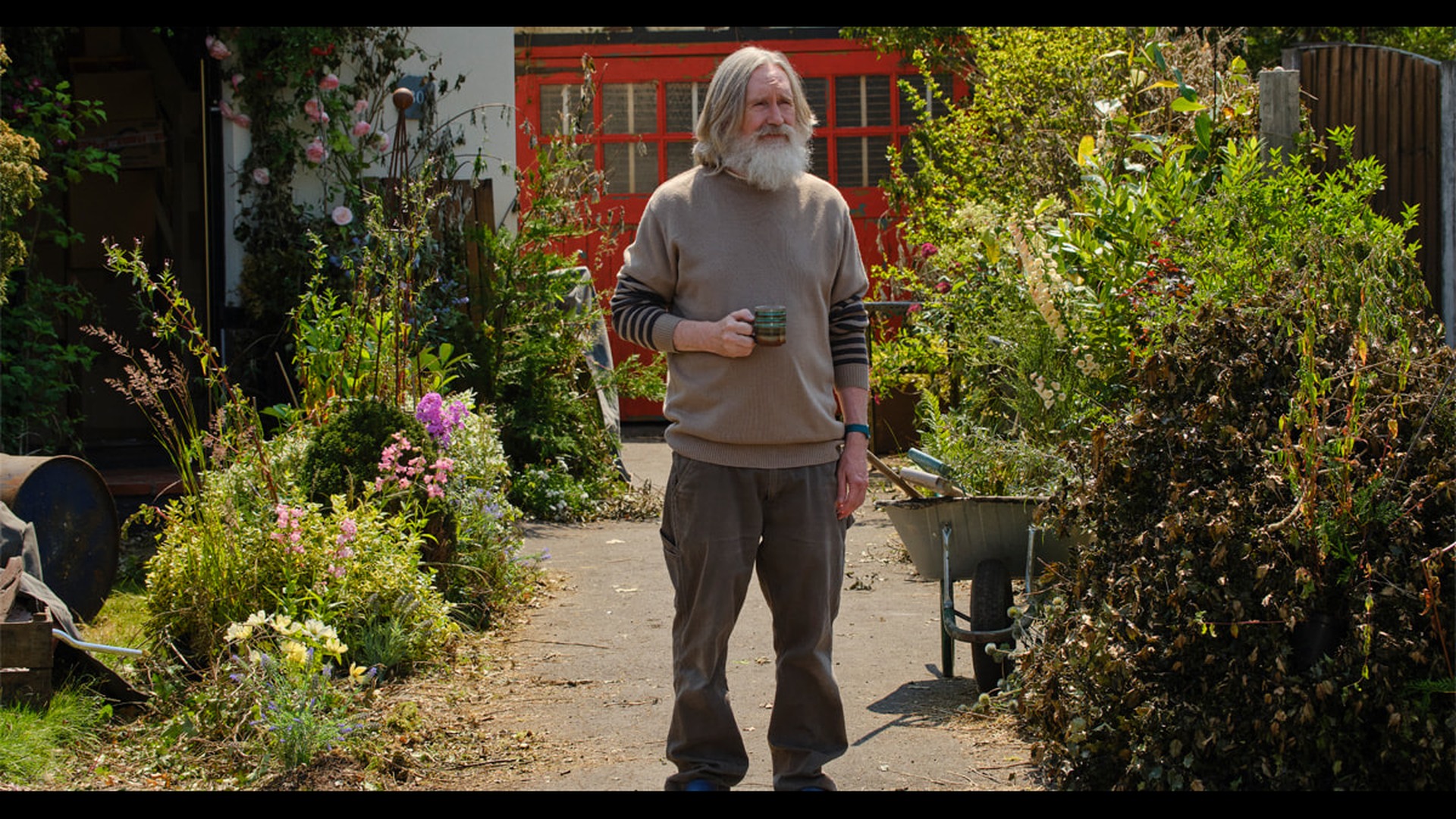
Apple’s episode listing says Michael witnesses a crime and is questioned by police, creating scrutiny he has spent years avoiding.
The episode also brings a visitor to Brian’s care home, although Brian cannot remember who the person was. This is the key to the article’s central angle, because it connects the immediate event to the larger story rather than treating it as an isolated twist.
The episode makes the central conflict personal
Michael’s problem is that a truthful account of the crime may invite questions about his movements, his shed and the jars he is hiding. The result is a choice with consequences for more than one character, and the episode gives that pressure room to build.
Don’t miss the best of The Mac Observer
Set us as a preferred source and our Apple reporting ranks higher in your Google Search results and Discover feed — one tap, no account changes.
A lie may protect the homunculi temporarily, but it can make him look suspicious if another witness contradicts him. That detail matters because it changes how the audience should read the scenes that follow and keeps the conflict grounded in what has actually been shown.
Clive’s obsession with a black rabbit adds another unpredictable observer around Marvin Gardens. It also prevents the story from reducing a complicated decision to a convenient piece of plot machinery.
Why the reveal changes what comes next
Kacey’s visit gives her a chance to notice details Michael cannot easily explain away. The show can now develop that consequence directly instead of returning to the same unanswered setup.
The crime therefore works as pressure on several secrets, not as a separate police subplot. In practical terms, this raises the cost of the next decision and gives the supporting characters a reason to challenge the person at the center of the story.
Michael created the prophets to learn what happened to Clea, so exposure could take away the only process that has restored his hope. The contrast is important: an answer can close one question while opening a more difficult emotional or strategic problem.
The story avoids an easy resolution
At the same time, helping the police may force him out of the passive routine that defined the opening episodes. That approach preserves uncertainty without pretending confirmed information is still a mystery.
Episode 3’s central tension is whether Michael can do the responsible thing without revealing the impossible thing growing near his home. It is a more useful ending point than a broad prediction because it identifies the exact choice the next chapter must confront.
The distinction is worth keeping clear. Confirmed events explain the current story, while any forecast must remain tied to the choices and evidence already on screen. That boundary leaves room for surprise without asking readers to accept speculation as fact.
What did you make of this development, and what should the story address next? Share your view in the comments.


Discussion