
Spoiler warning: This article discusses events through S06E04.
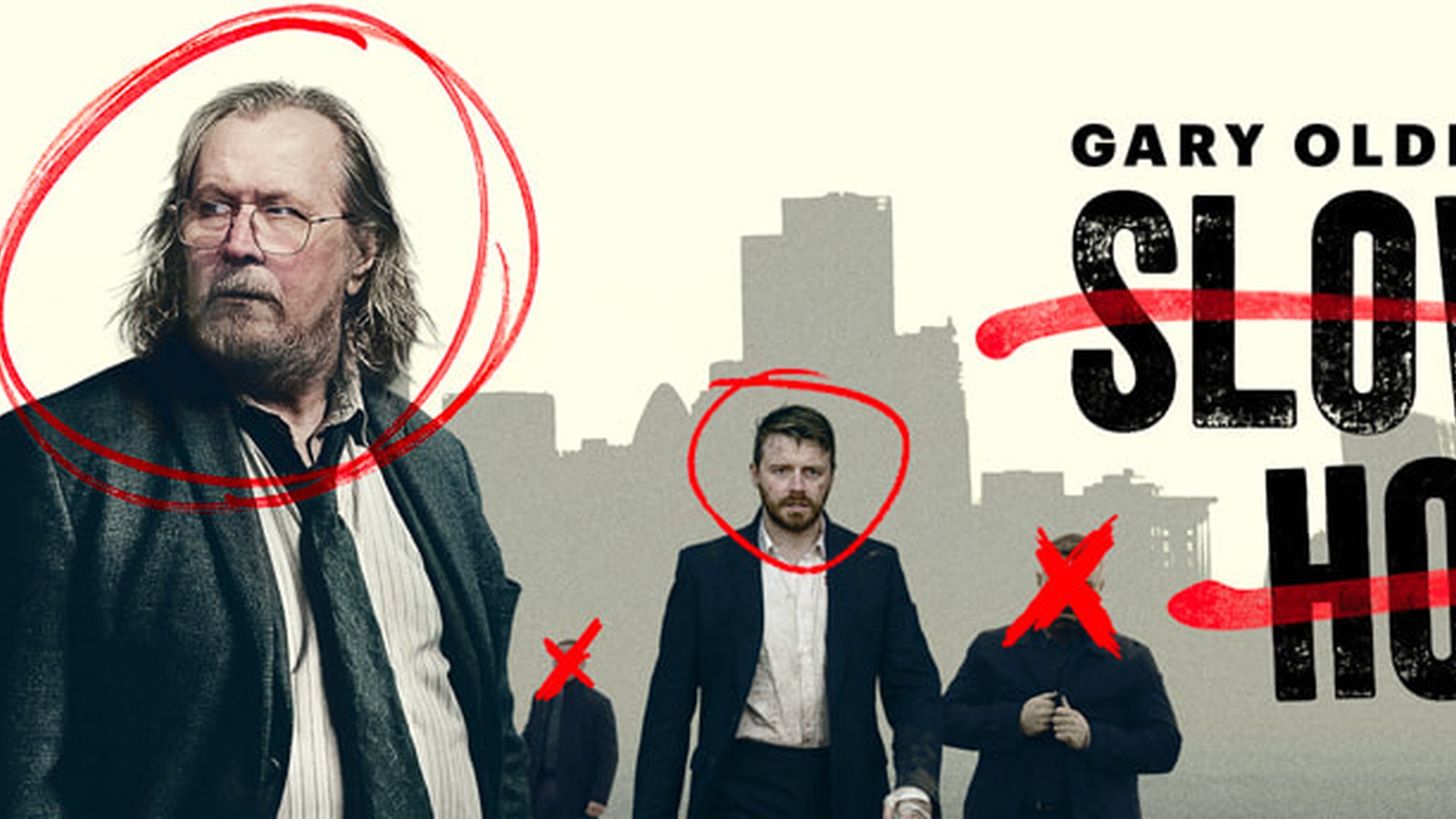
Jackson Lamb teams up with Roddy Ho and Reece Nesmith because Reece has the burner phone that can connect his father’s death to the person who ordered the cleanup. Lamb uses that link to draw Frank Harkness into public.
The pairing looks chaotic, but chaos is useful camouflage. Reece appears vulnerable, Ho appears incapable of restraint and Lamb knows opponents often mistake both traits for a lack of planning.
Don’t miss the best of The Mac Observer
Set us as a preferred source and our Apple reporting ranks higher in your Google Search results and Discover feed — one tap, no account changes.
Reece possesses the useful connection
Andy Nesmith stole a file containing the names of current and former Slow Horses. After Andy’s death, Reece becomes a loose end and a possible holder of evidence.
One number remains on the burner. Reece calls it and threatens to reveal proof that his father was murdered, demanding £100,000 in return for silence. The call reaches Damien Cantor.
Ho makes the trap look less controlled
Cantor sends Frank to handle the meeting, which is the response Lamb needs. A face-to-face exchange at a crowded Shake Shack limits the easiest forms of violence and gives Lamb a chance to observe where Harkness goes next.
Ho is not trusted because he is discreet. He is useful because he can handle technical work, move quickly and create noise that makes the operation difficult to read from the outside.
Lamb wants the employer, not only Harkness
Lamb’s smoking stunt produces a public disturbance, gets Reece out and lets the group follow Frank toward Cantor. The real objective is the command chain, not a dramatic arrest of the mercenary.
That is why Reece cannot simply be hidden. His vulnerability is also leverage, and Lamb uses the only advantage available before the stolen list causes more deaths.
That distinction matters because a headline can flatten a complicated episode into one revelation. Here, the surrounding choices are as important as the answer itself. The story repeatedly shows people acting with partial information, then discovering that a decision made for protection, loyalty or survival has created a different risk for somebody else.
It also keeps the next chapter from feeling predetermined for everyone. The immediate event has a clear meaning, but it does not settle every motive or repair every damaged relationship. Any follow-up has to deal with what the characters now know, what they still misunderstand and whether they are prepared to change their behavior.
The episode’s strongest idea is that information changes relationships only when characters decide what to do with it. The facts answer the immediate question, but the consequences remain active beyond the final scene.
What did you make of this development, and where do you think the story goes next? Share your view in the comments.



Discussion