

A contributor to Reddit’s r/productivity described giving up phone-based notes and keeping a paper list instead. They also switched the phone off to make returning to social media less convenient. For this person, having a notes app close at hand was part of the problem they were trying to solve.
The convenience comes with everything else on the phone
The contributor, posting as Ok_Demand9257, was describing a personal routine. There is no reason to assume everyone needs the same one. Still, the decision to use paper says something useful about the appeal of a separate device: sometimes a tool is easier to live with because there is less to do on it.

A phone is a sensible place to keep notes. It is portable, familiar and already holds the information needed for much of the working day. But opening it for a small job also puts that job beside messages and other unfinished business.
Don’t miss the best of The Mac Observer
Set us as a preferred source and our Apple reporting ranks higher in your Google Search results and Discover feed — one tap, no account changes.
Ignoring those messages takes a decision. Even an unanswered alert can interrupt attention. In a 2015 study by Cary Stothart and colleagues, phone notifications disrupted performance on a sustained-attention task when participants did not handle their phones. The study tested notifications, not recording hardware, but it explains why leaving a message unanswered is not necessarily enough during such a task.
Paper avoids that particular interruption. AI recording devices offer another way to give a task its own place, while preserving audio that software can turn into notes afterwards.
A recording button can be enough during the conversation
AI note-taking devices combine a recorder with software for transcription and summaries. The device handles the start of the recording. The software becomes useful later, when someone needs to find and read part of the discussion.
That division allows a fairly modest piece of hardware to do a useful job. Plaud Note Pro, for example, is a physical AI note taker that records conversations for transcription and summarisation through Plaud Intelligence. Its physical recording button provides an alternative to starting a phone app during an in-person meeting.
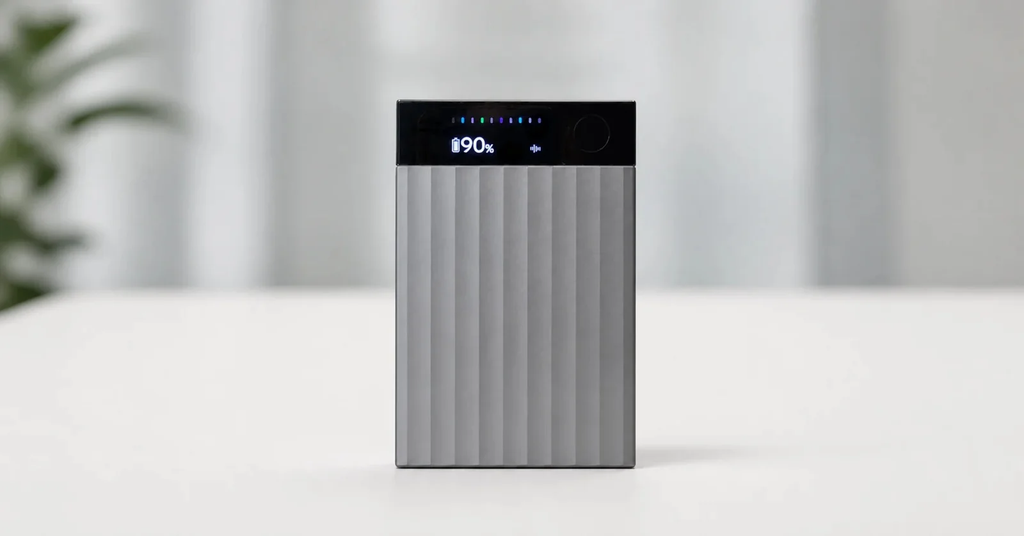
The reason to use it in that setting is straightforward. Recording can start while the phone stays out of use. Participants still need to know about the recording and give any consent required by applicable rules, but saving the conversation need not involve checking a screen.
This gives the user a choice about when to deal with the material. During the discussion, the immediate job is to listen and respond. Afterwards, there is time to read, search and decide what belongs in the notes.
Keeping a phone nearby is a different question
Separating those activities should not become a claim that phones are inherently bad for concentration. The phone may be needed to read a document or check a fact. Using it for that purpose can help the conversation.
Research also distinguishes an incoming interruption from an unused phone being present. Andree Hartanto and colleagues’ 2024 meta-analysis combined 33 studies of smartphone presence and found no significant overall effect on cognitive outcomes. A phone on the table does not automatically mean impaired attention.
The argument for a separate recorder is narrower and more practical. It removes the need to open the phone for recording. A person who already starts recordings easily and controls unwanted alerts may gain little from moving that action to another device.
For someone who prefers to leave the phone alone, though, the separate control has a clear purpose. It makes one task available without bringing the rest of the phone into use. Whether the device belongs in a routine starts with that preference, rather than a promise of better concentration.
The software has to respect the same preference
There is little point in avoiding a busy screen during a meeting if the result is another collection of recordings that demands constant attention. The wish for fewer interruptions should carry through to what happens after capture.
Transcription gives a person text to search. A summary provides a shorter account to read before returning to the original wording. These functions can help locate a decision without replaying every topic in the recording.
The next question is whether that result is easy to use where the work already happens. Depending on the software, review might take place on an iPhone or a Mac. If the notes then have to be repeatedly copied, sorted and corrected in separate places, the extra work needs to count in the decision.
The Reddit contributor chose paper because it suited the routine they wanted. AI note-taking hardware has to earn its place in the same way: by making recording easier to keep separate from distractions, then keeping the later review manageable too.


Discussion